

The relationship between weather changes and pest behavior is intricate and often overlooked in the realm of residential pest control services. Understanding this connection is crucial for effective pest prevention, management, and removal strategies. Weather patterns can significantly influence pest life cycles, habitats, and behaviors, leading to increased infestations or unexpected pest activity in homes. This article goes into how various weather changes affect pest behavior and provides insights into effective pest control measures.
The Influence of Weather on Pest Behavior
Weather plays a pivotal role in the life cycles and activities of various pests, from ants to rodents. Fluctuations in temperature, humidity, and precipitation can create favorable conditions for pest populations, leading to higher incidences of infestations.
Temperature Changes
Temperature is one of the most significant factors affecting pest behavior. Warmer temperatures can accelerate the life cycles of many pests, leading to increased reproduction rates.
-
Increased Reproduction: For example, warmer springs can lead to earlier hatching of insect eggs, resulting in larger pest populations sooner in the season. This is particularly true for species like ants and cockroaches, which thrive in warmer conditions.
-
Dormancy and Activity: Conversely, colder temperatures can drive pests into dormancy. However, unseasonably warm spells during winter can lead to premature activity, creating a false sense of security for homeowners and increasing the likelihood of infestations.
Humidity and Precipitation
Humidity and rainfall also significantly affect pest behavior and habitats.
-
Ideal Breeding Conditions: High humidity levels can create ideal breeding conditions for pests such as mosquitoes and termites. Moist environments allow these pests to thrive, increasing the chances of infestations in residential areas.
-
Flooding and Pest Movement: Heavy rainfall can lead to flooding, pushing pests like rodents and insects into homes as they seek drier conditions. This can lead to an influx of pests that are typically not found in residential areas.
Understanding the Life Cycle of Common Pests for Better Control
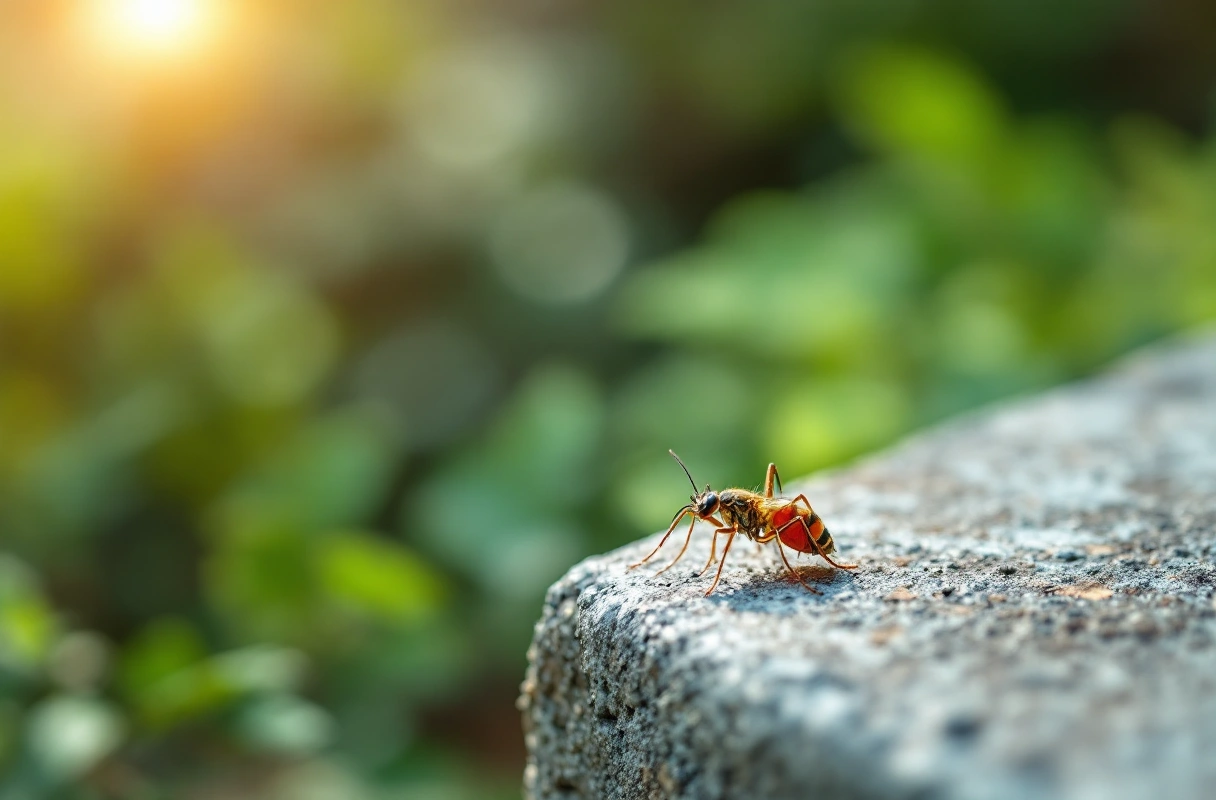
Understanding the life cycle of common pests is essential for residential pest control services. By identifying key stages in a pest’s life cycle, homeowners can implement targeted prevention and control strategies.
The Life Cycle of Ants
Ants are one of the most common pests that homeowners face. Their life cycle consists of four main stages: egg, larva, pupa, and adult.
-
Egg Stage: Ants begin as eggs, which are laid by the queen. The duration of this stage can vary depending on the species and environmental conditions, typically lasting about a week.
-
Larva Stage: After hatching, larvae are fed by worker ants. This stage lasts several weeks and is crucial for the colony’s growth.
-
Pupa Stage: The pupal stage can last from a few days to several weeks, depending on the species and temperature. This is when ants undergo metamorphosis.
-
Adult Stage: Once they reach adulthood, ants can reproduce and contribute to the colony’s growth. Understanding this cycle allows for targeted ant extermination strategies during vulnerable stages, such as treating nests before new adults emerge.
The Life Cycle of Cockroaches
Cockroaches are notorious for their resilience and adaptability. Their life cycle includes three stages: egg, nymph, and adult.
-
Egg Stage: Cockroaches lay egg cases containing multiple eggs, which can hatch within a few weeks under optimal conditions.
-
Nymph Stage: Nymphs resemble small adults and undergo several molts before reaching maturity. The nymph stage can last from a few months to over a year, depending on environmental factors.
-
Adult Stage: Adult cockroaches can reproduce rapidly, leading to significant infestations if not managed promptly. Effective cockroach removal strategies should focus on disrupting the egg and nymph stages to prevent population growth.
Seasonal Pest Control Strategies

With the understanding that weather influences pest behavior, it becomes essential to adopt seasonal pest control strategies. Different seasons present unique challenges and opportunities for pest control.
Spring: Preparation and Prevention
Spring often heralds the arrival of various pests as temperatures rise and nature awakens.
-
Quarterly Pest Maintenance: Implementing quarterly pest maintenance services can significantly reduce the risk of infestations. These services typically include inspections, preventive treatments, and monitoring for signs of pest activity.
-
Eco-Friendly Pest Control: Homeowners should consider eco-friendly pest control options that minimize environmental impact while effectively managing pest populations.
Summer: Active Pest Management
Summer is peak season for many pests, including ants, mosquitoes, and flies.
-
Targeted Treatments: Focus on targeted treatments for specific pests. For example, applying insecticides around the foundation of the home can deter ants and other crawling insects.
-
Rodent Control Solutions: Increased rodent activity during summer months requires effective rodent control solutions. Ensuring that entry points are sealed and food sources are eliminated is crucial.
Fall: Preparation for Winter
As temperatures begin to drop, pests seek shelter indoors.
-
Preventive Measures: Homeowners should take preventive measures to block entry points and eliminate food sources. This includes sealing cracks, removing debris, and ensuring that garbage is stored securely.
-
Safe Pest Control Methods: When dealing with pests that may enter homes for warmth, it is advisable to use safe pest control methods that do not pose risks to humans or pets.
Common Mistakes in Pest Control and How to Avoid Them
Many homeowners inadvertently make mistakes in pest control that can lead to ineffective management and increased infestations.
Neglecting Regular Inspections
One common mistake is neglecting regular inspections of the home and yard.
-
Importance of Inspections: Regular inspections help identify potential pest issues before they escalate. This is particularly important in areas prone to pest activity.
-
Professional Services: Engaging professional pest control services can ensure thorough inspections and proactive measures are taken.
Ignoring Signs of Infestation
Ignoring signs of infestation can lead to severe problems down the line.
-
Recognizing Indicators: Homeowners should be vigilant for signs such as droppings, nests, and damage to property. Early detection is key to effective residential pest removal.
-
Taking Immediate Action: Once signs are detected, it is crucial to take immediate action to address the problem before it worsens.
The Importance of Local Expertise in Pest Control
When it comes to pest control, local expertise is invaluable.
Understanding Regional Pest Trends
Local pest control providers possess knowledge of regional pest trends influenced by weather patterns.
-
Tailored Solutions: They can offer tailored solutions that consider local climate conditions, ensuring effective pest management strategies.
-
Community Insights: Local professionals often have insights into common pest issues within specific neighborhoods, allowing them to provide targeted services.
Building Long-Term Relationships
Establishing a long-term relationship with a local pest control service fosters trust and reliability.
-
Consistent Monitoring: Regular interactions with a local provider can lead to consistent monitoring and preventive measures, reducing the likelihood of infestations.
-
Customized Plans: Long-term partnerships allow for customized pest prevention services that evolve with changing weather patterns and pest behaviors.
The Intersection of Weather and Pest Control: A Sustainable Approach
Understanding how weather changes affect residential pest control services is essential for developing sustainable pest management strategies. By considering the impact of temperature, humidity, and seasonal shifts, homeowners can adopt proactive measures that minimize pest problems.
Pest Patrol specializes in providing tailored residential pest control insights that consider local weather patterns and pest behaviors. Contact us today for expert advice and tailored solutions that fit your needs.