
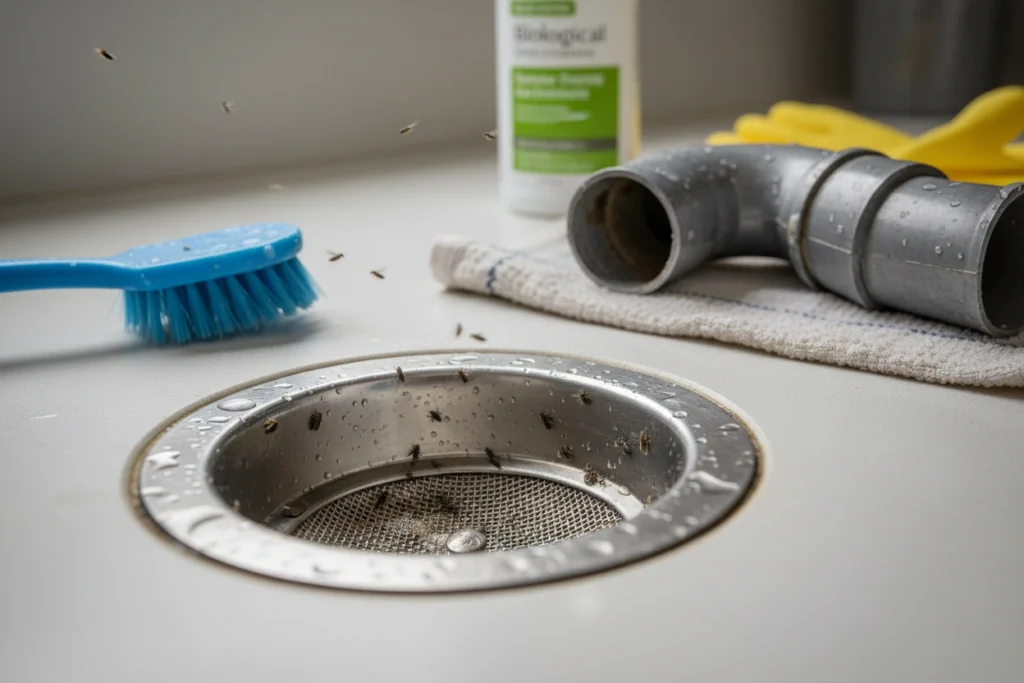
Have you ever cleaned your sink only to find drain flies returning shortly after? These persistent pests can be incredibly frustrating, especially after you’ve made the effort to clean and sanitize your kitchen. Understanding the reasons behind their return, effective elimination methods, and preventative strategies is crucial for maintaining a fly-free environment. This article delves into why drain flies keep coming back, effective elimination methods, and prevention tips to ensure your home remains comfortable and hygienic.
Understanding Drain Flies and Their Lifecycle

Drain flies, also known as moth flies or sink flies, are small, grayish-black insects that thrive in moist environments. Typically measuring between 1/8 to 1/4 inch in length, they are characterized by their fuzzy bodies and broad wings, which give them a moth-like appearance. Their presence is often a sign of underlying plumbing issues, as they breed in areas where organic matter accumulates, particularly in drains, sewage, and compost piles.
Lifecycle Stages and Breeding Habits
Understanding the lifecycle of drain flies is essential for effective management. Their lifecycle consists of four stages: egg, larva, pupa, and adult.
-
Egg Stage: Adult females lay eggs in damp areas, particularly in organic material within drains. A female can lay up to 300 eggs at a time, significantly increasing the chances of an infestation.
-
Larva Stage: After a few days, the eggs hatch into larvae, which feed on the organic matter and slime found in drains. This feeding stage lasts about one to two weeks.
-
Pupa Stage: Once fully grown, the larvae transform into pupae, where they undergo metamorphosis.
-
Adult Stage: Within a week, the adult flies emerge, ready to reproduce and continue the cycle.
To effectively manage drain flies, it’s crucial to know how to identify drain flies at various stages. Adult flies are visible, but the larvae and pupae can often be found hidden in drain slime, making thorough inspections necessary.
Common Causes of Drain Flies Infestation
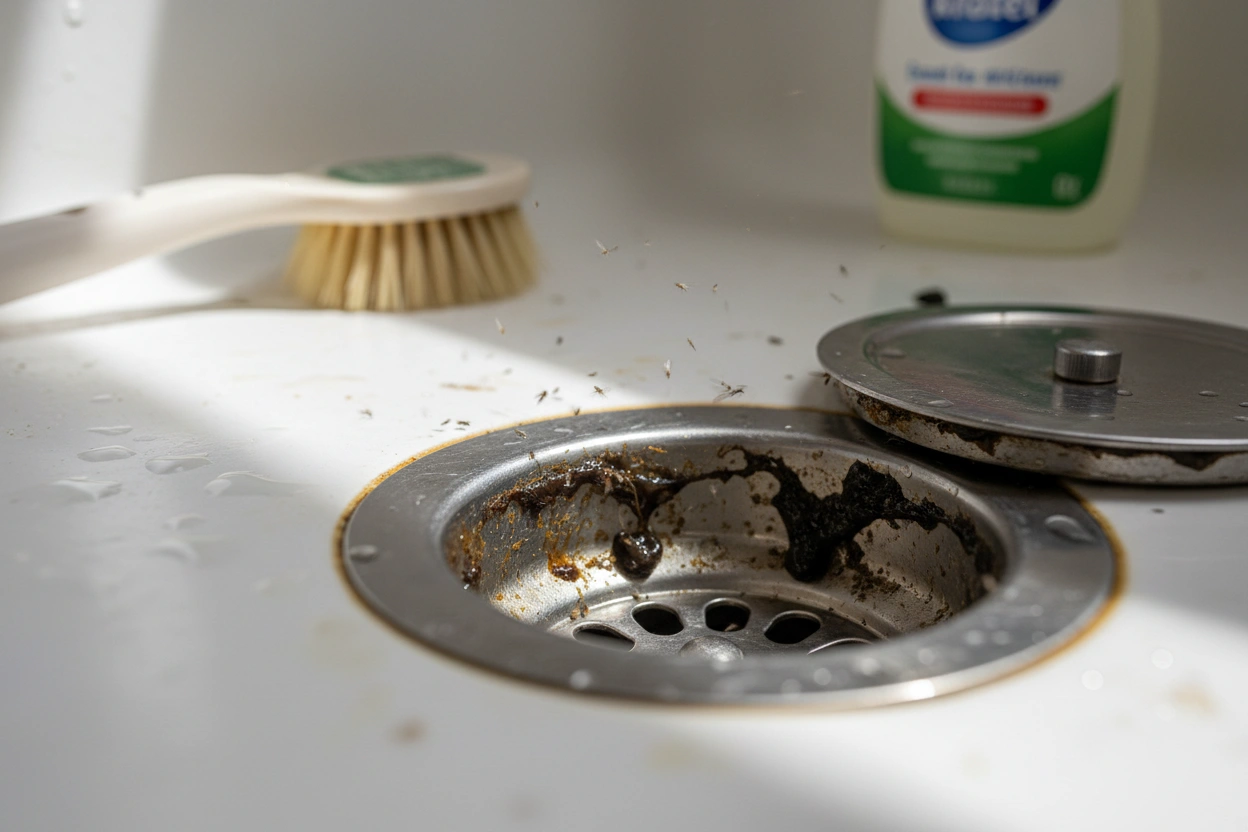
Identifying the sources of drain flies infestation is crucial for effective elimination. The primary contributors to these pests are moisture and organic matter.
Identifying Sources of Moisture and Organic Matter
Drain flies thrive in damp environments where organic matter is present. Common sources include:
-
Clogged drains: Accumulated food particles and waste create a perfect breeding ground.
-
Leaky Pipes: Moisture from plumbing leaks can lead to stagnant water, attracting flies.
-
Sinks with Poor Drainage: Sinks that do not drain properly can retain organic debris, allowing flies to breed.
How Plumbing Issues Contribute to Infestations
Beyond visible issues, hidden plumbing problems can exacerbate infestations. For instance, a slow drain may not seem problematic, but it can harbor organic material that promotes fly breeding. Additionally, improper installation or damage to plumbing systems can create areas where moisture accumulates, fostering an ideal environment for drain flies.
Effective Techniques to Eliminate Drain Flies
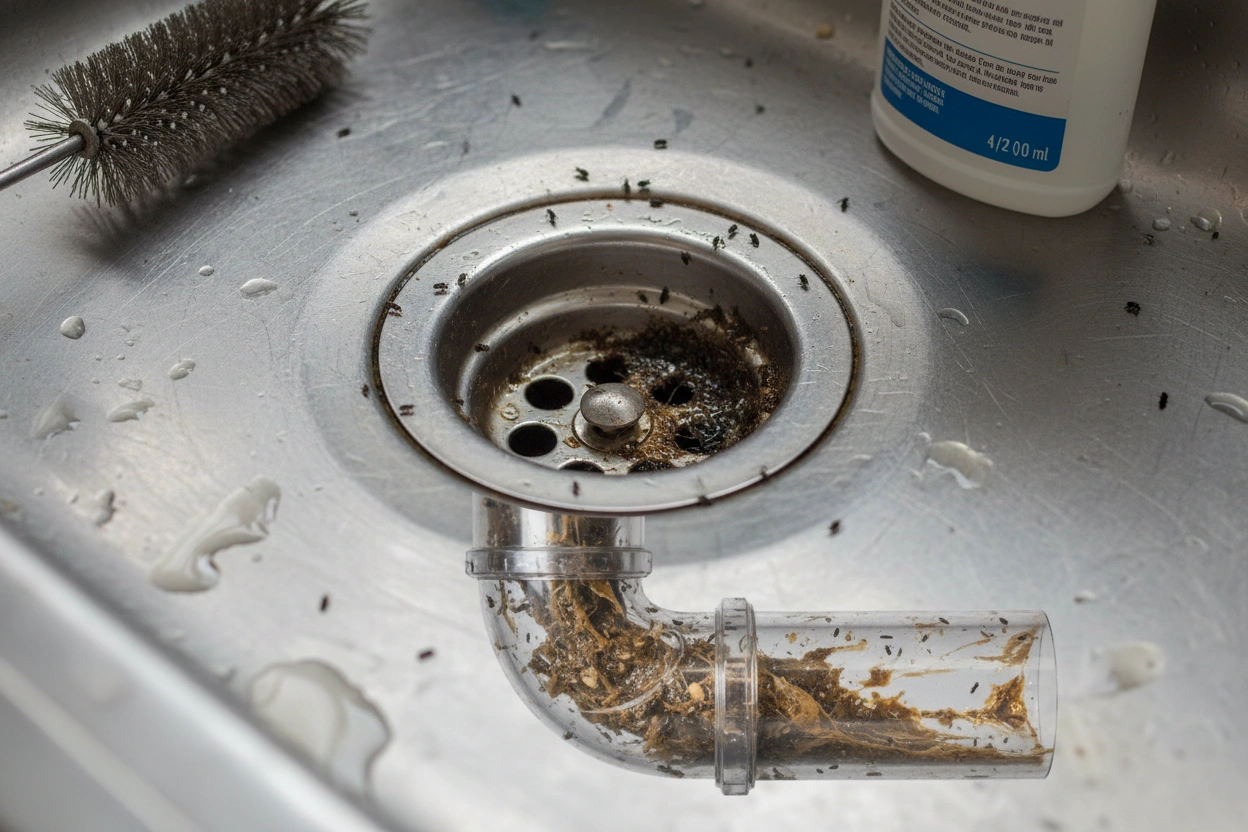
Once you understand the causes, the next step is to implement effective techniques to eliminate drain flies.
Best Drain Cleaning Methods to Use
-
Manual Cleaning: Start by removing any visible debris from the drain. Use a brush to scrub the inside of the drain pipe to eliminate larvae and organic buildup.
-
Chemical Cleaners: Utilize drain cleaning products designed to break down organic matter. Follow the manufacturer’s instructions carefully to ensure effectiveness and safety.
-
Hot Water Flush: Pouring boiling water down the drain can help kill larvae and flush out organic matter.
Natural Remedies for Drain Flies
If you prefer eco-friendly solutions, several natural remedies can be effective:
-
Baking Soda and Vinegar: This combination can help break down organic material. Pour a half cup of baking soda followed by a half cup of vinegar down the drain, let it sit for 30 minutes, then flush with hot water.
-
Essential Oils: Oils such as peppermint or tea tree can repel drain flies. Mix a few drops with water and spray around the drain area.
Strategies for Preventing Future Drain Fly Issues
Preventing drain fly infestations requires consistent maintenance and proactive strategies.
Regular Sink Drain Maintenance Tips
-
Routine Cleaning: Regularly clean your sink and drains to remove any organic matter.
-
Avoid Food Disposal in Drains: Dispose of food scraps properly to minimize potential breeding sites.
-
Seal Cracks and Leaks: Ensure that your plumbing is well-maintained and free of leaks to reduce moisture accumulation.
Long-term Prevention Strategies
Implementing long-term prevention strategies can significantly reduce the likelihood of future infestations:
-
Install Drain Screens: These can help catch food particles and debris before they enter the drain.
-
Monitor Humidity Levels: Use a dehumidifier in areas prone to moisture buildup, such as basements or kitchens.
-
Regular Inspections: Periodically inspect your plumbing for leaks or slow drains that could attract drain flies.
Understanding Why Drain Flies Keep Coming Back
Understanding why drain flies keep coming back after cleaning your sink is crucial for effective pest management. These pests thrive in environments where moisture and organic matter are present, and without addressing the root causes, cleaning alone may not suffice. By implementing the strategies discussed, you can eliminate existing flies and prevent future infestations.
At Pest Patrol, we understand the frustration of dealing with persistent drain flies. Our expertise in pest management allows us to provide effective solutions tailored to your specific needs. By learning about the causes of drain fly infestations and how to eliminate them, you can take proactive measures to maintain a comfortable and hygienic home.