
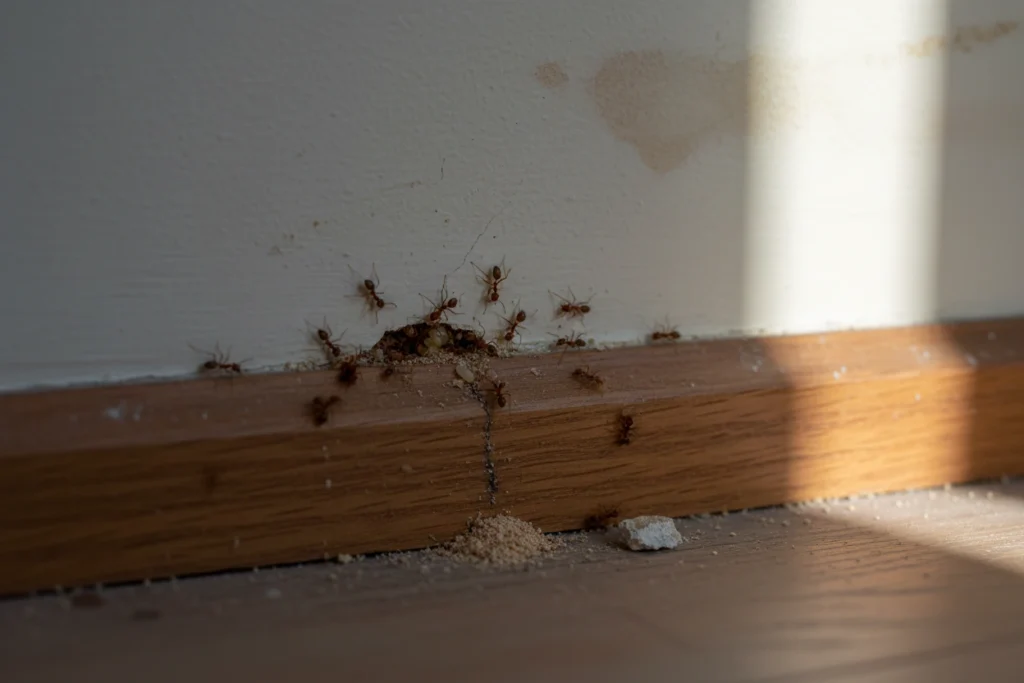
Have you ever noticed unexplained trails of tiny ants leading around your home? These little creatures can often go unnoticed until they become a significant problem. Ants are not just a nuisance; they can cause damage to your property if they decide to nest inside your walls. Understanding how to identify the signs of an ant infestation, especially within the confines of your walls, is crucial for effective pest management. This article explores the signs that indicate ants may be nesting within your walls, how to find their nests, and effective prevention and removal strategies.
Recognizing the Signs of Ant Activity in Your Home
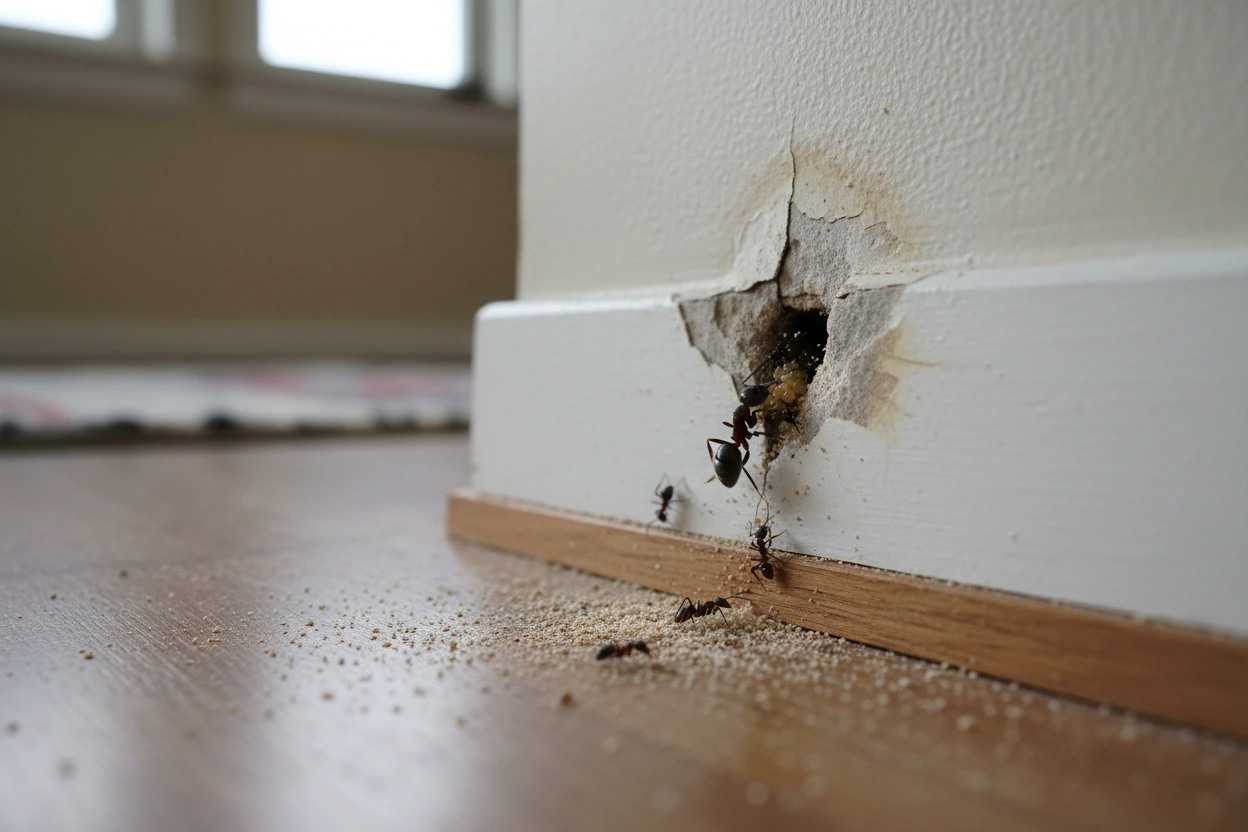
Identifying the signs of ants in walls is the first step in addressing an infestation. Common indicators include the sighting of ants in unusual places, particularly in kitchens and bathrooms, where moisture is prevalent. You may also observe ant trails, which are pheromone pathways that ants create to guide others to food sources. These trails often lead to cracks or crevices in walls where ants might be entering or nesting.
Another key sign of ant activity is the presence of small piles of debris or frass, which is a mixture of ant feces and wood shavings, particularly if the ants are carpenter ants. In addition to visual signs, you may hear faint noises, such as rustling or scratching sounds coming from within your walls, especially at night when ants are more active. Unpleasant odors may also be present if the infestation is substantial, as some ant species release pheromones that can smell musty or sour.
Understanding Common Ant Species That Nest Indoors
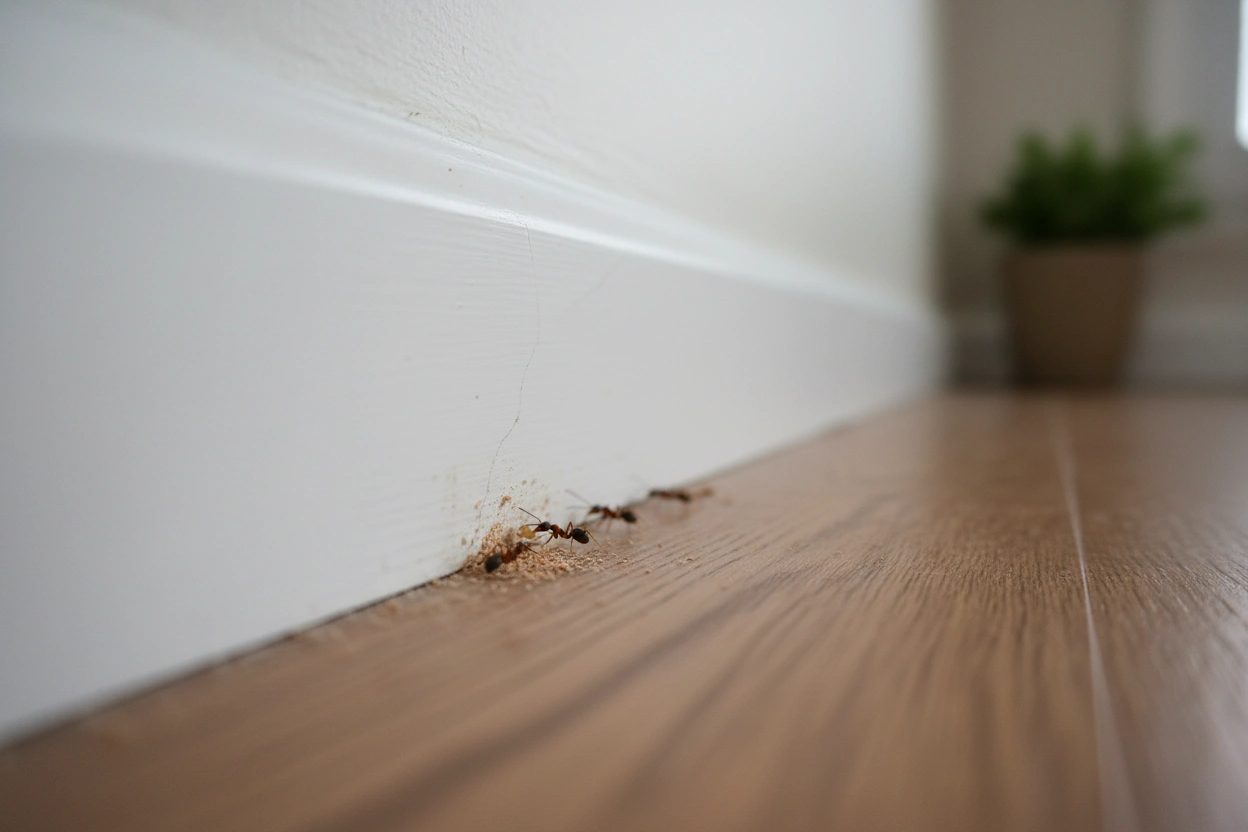
To effectively address an ant problem, it is essential to understand which species are most likely to invade your home. Some prevalent indoor ant species include the Argentine ant, odorous house ant, and carpenter ant. Each species has distinct nesting habits and preferred environments, influencing their likelihood of nesting in your walls.
For instance, carpenter ants are notorious for nesting in wood, causing structural damage as they tunnel through beams and walls. They prefer damp, decaying wood, making areas with moisture issues prime nesting sites. On the other hand, odorous house ants are attracted to sugary substances and often nest in wall voids or under appliances. Understanding these differences can help in determining the most effective control measures.
Effective Methods for Detecting Ant Nests
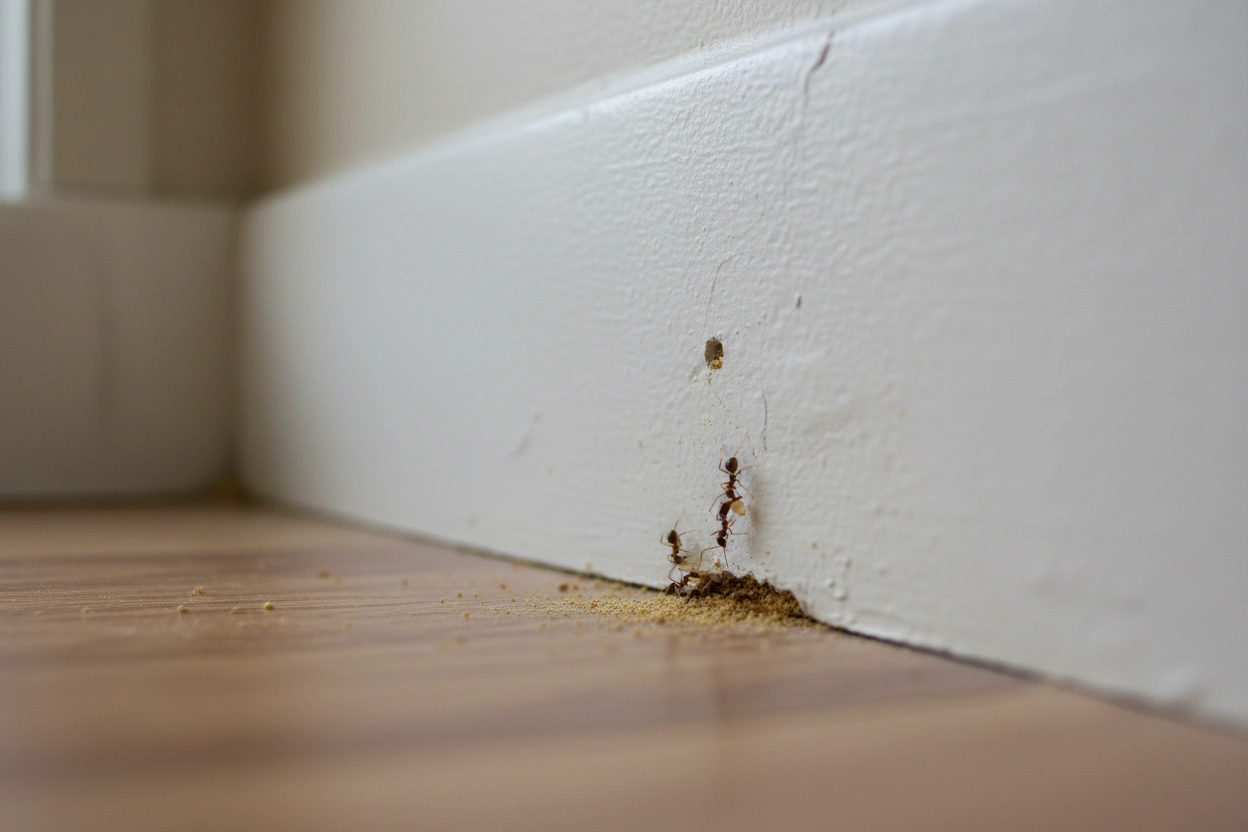
Detecting hidden ant nests requires a combination of observation and the use of specific tools. One effective technique involves following the ants back to their nests. This can be done by observing their movement patterns and noting where they disappear, often leading to cracks in walls or other concealed areas.
Using tools such as a flashlight can help illuminate dark spaces where nests might be hidden. Additionally, a moisture meter can be beneficial, especially for identifying carpenter ant infestations, as they prefer damp environments. Setting up bait stations can also assist in detecting nests; when ants carry bait back to their colony, it can help pinpoint their location.
Preventing Ants From Nesting in Your Walls
Preventing ants from nesting in your walls involves proactive home maintenance and identifying potential entry points. Regularly inspect your home for cracks in the foundation, gaps around windows and doors, and any areas where utility lines enter. Sealing these entry points with caulk or foam insulation can significantly reduce the chances of ants entering your home.
Maintaining a clean environment is also crucial in deterring ants. Wipe down surfaces to remove food particles, store food in airtight containers, and ensure that trash is disposed of promptly. Additionally, addressing moisture issues in your home, such as fixing leaks or using dehumidifiers in damp areas, can make your home less appealing to ants.
Pest Control Methods for Ant Infestations
When an ant infestation is confirmed, several pest control methods can be employed. Chemical treatments, such as sprays and baits, are common solutions for controlling ant populations. Baits are particularly effective as they attract ants, which then carry the poison back to their colony, eliminating the source of the infestation.
Alternatively, many homeowners prefer DIY methods, such as using vinegar or boric acid, which can deter ants without the use of harsh chemicals. However, the effectiveness of these methods can vary depending on the species and size of the infestation. For significant infestations, professional pest control services may provide a more comprehensive solution, utilizing advanced techniques and products that are not available to the general public.
When Ants Move Inside, Precision Matters
Understanding how to spot ants nesting inside your walls gives you a major advantage. Faint rustling sounds, small piles of debris near baseboards, steady trails along trim, and sudden spikes in indoor activity often signal a deeper issue behind the surface. Identifying the species and the source of the colony is what turns guesswork into real control. Early detection paired with the right treatment approach helps prevent recurring infestations and hidden structural damage.
If you are noticing signs of ants indoors or want a professional assessment before the problem spreads, Pest Patrol can help. Their team provides detailed inspections and targeted treatment plans designed for Portland homes and businesses. Reach out to Pest Patrol for a free quote and take the next step toward long term ant control with confidence.