
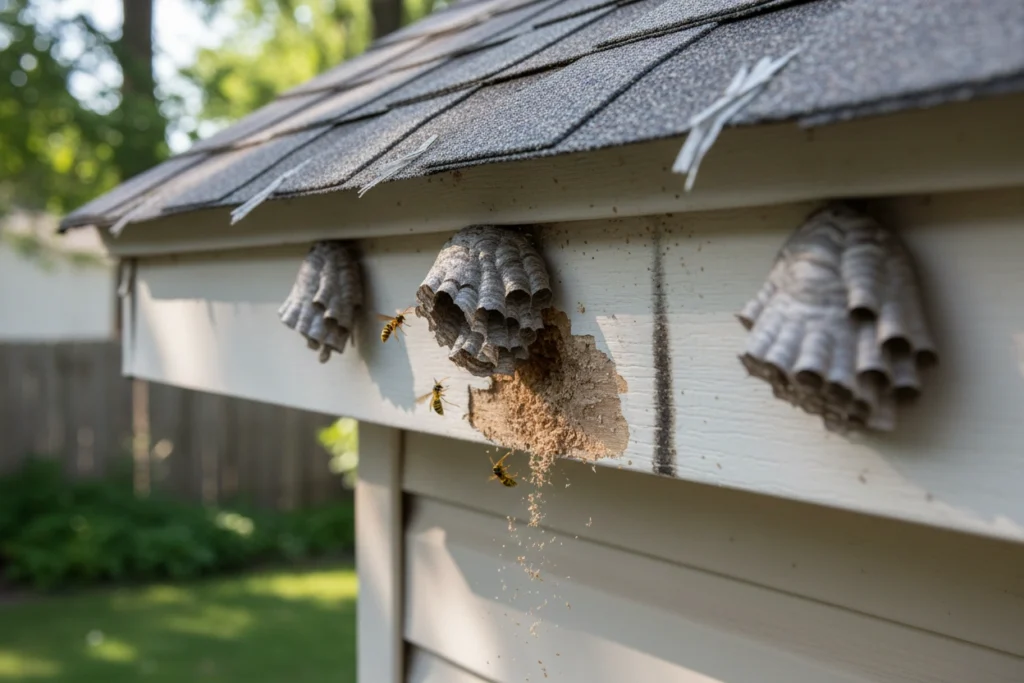
Did you know that the presence of wasps can lead to significant damage to your home’s exterior? While many people associate wasps with their painful stings, fewer recognize the potential for these pests to compromise the integrity of their siding and roofing materials. This article explores how wasps can affect your home, the signs of infestation to watch for, and effective prevention strategies to safeguard your property.
The Hidden Dangers of Wasp Infestations
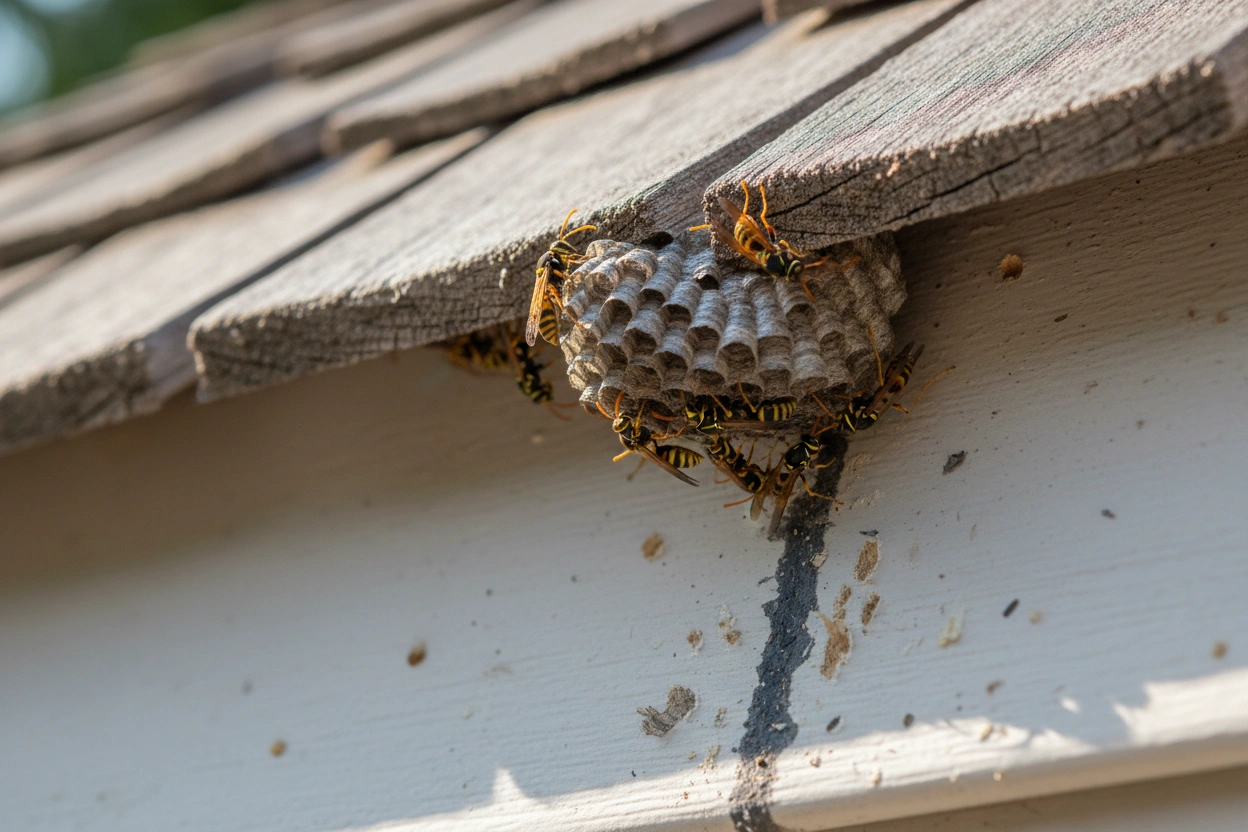
Wasp infestations can pose hidden dangers that extend beyond mere annoyance. Over time, wasps can cause structural damage to a home, particularly if they establish nests in areas where they can access wood or insulation. Certain species of wasps, such as the yellow jacket and paper wasp, are known to construct nests in eaves, attics, and wall cavities. As they build their nests, they can inadvertently create openings in your home’s exterior, allowing moisture to seep in and potentially leading to rot or mold.
Understanding the behavior of different wasp species is crucial for homeowners. For instance, yellow jackets are aggressive and often build nests in the ground or within walls, while paper wasps prefer to construct their nests in sheltered areas. Recognizing the specific species in your area can help inform your approach to prevention and removal. By learning about these behaviors, homeowners can better anticipate potential damage and take proactive measures to protect their property.
Signs That Your Home May Be Under Attack
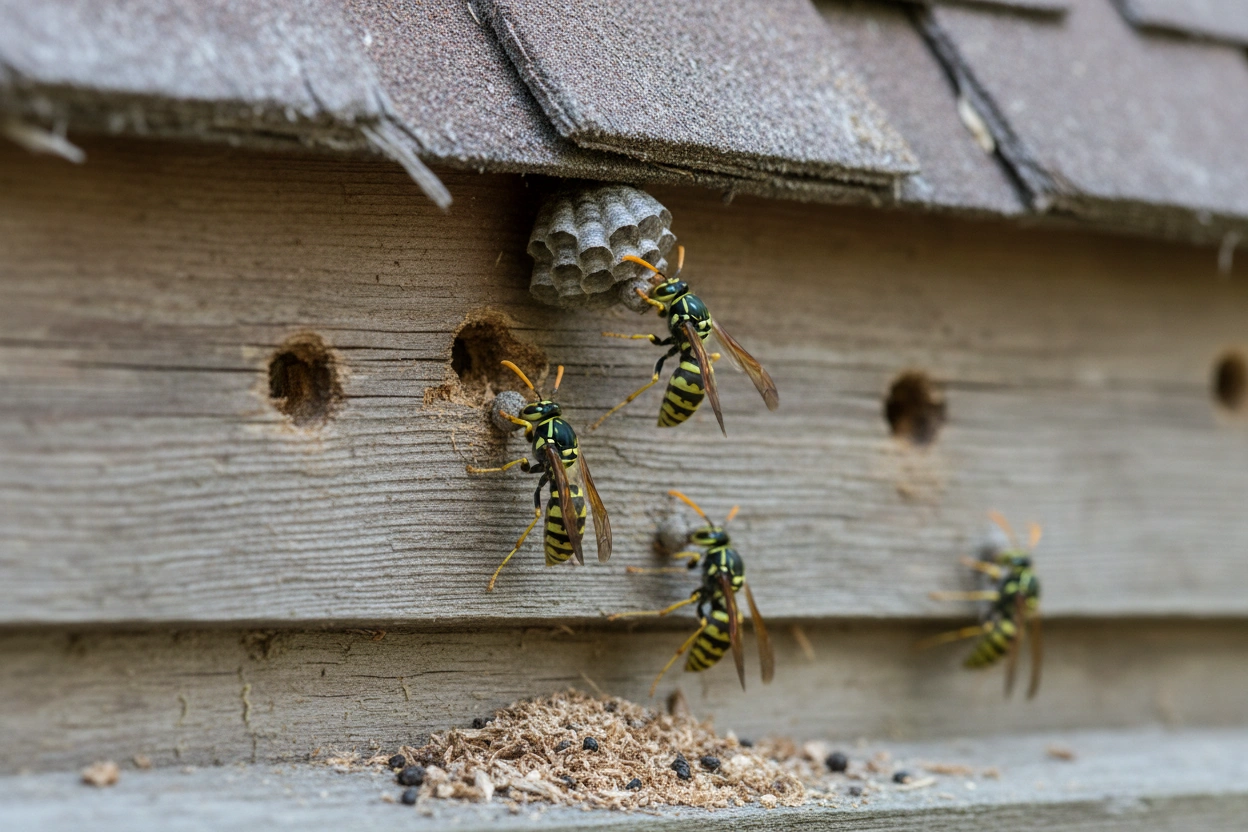
Recognizing the signs of a wasp infestation is vital for early intervention. Common indicators include frequent wasp activity around your home, visible nests, and unusual buzzing sounds emanating from hidden areas. Homeowners should also be vigilant during late summer and early fall, when wasps are most active and are often seen scavenging for food.
The importance of early detection cannot be overstated. A small nest can quickly grow into a large colony, making removal more complicated and dangerous. By being proactive and keeping an eye out for wasp infestation signs, homeowners can address the issue before it escalates, potentially saving themselves from significant damage and costly repairs.
Assessing the Impact of Wasps on Siding and Roofing
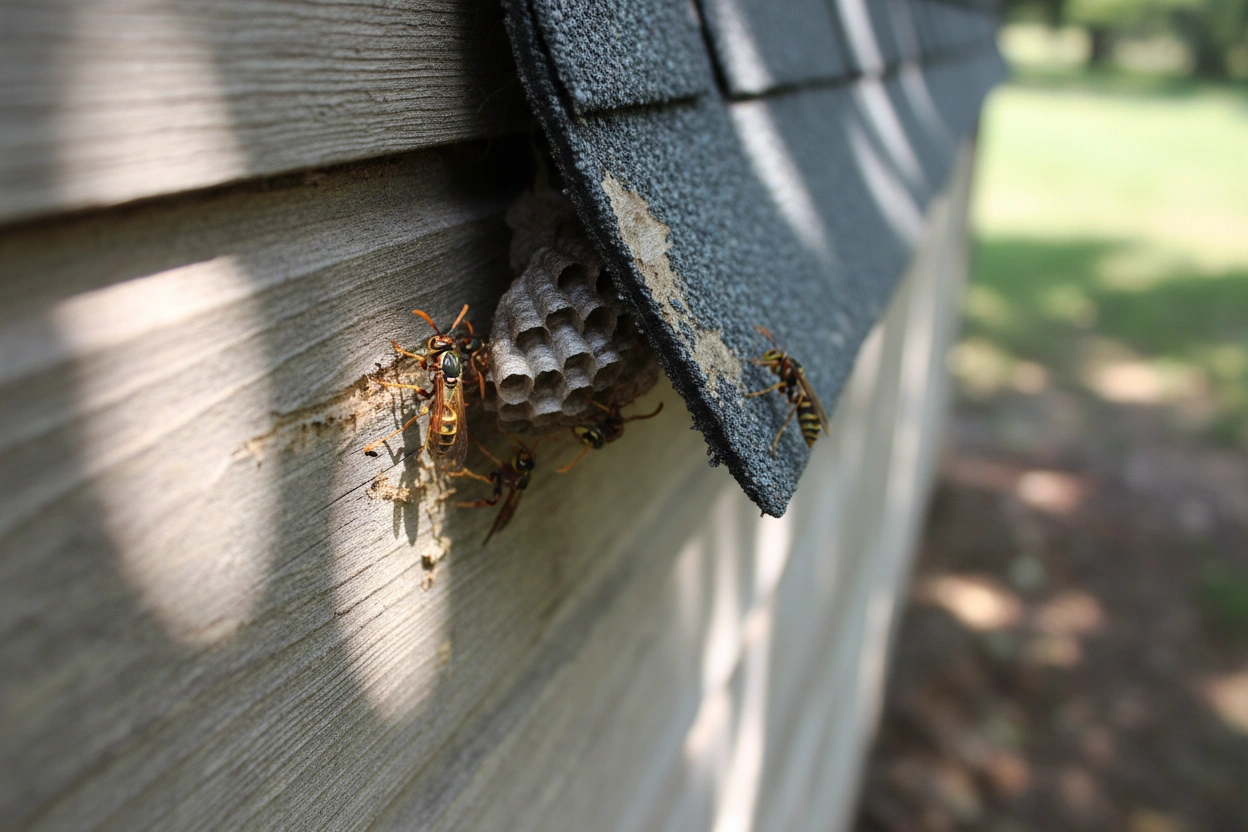
The impact of wasps on siding and roofing materials can be significant if left unchecked. Wasps can damage siding materials, particularly if they nest near or within the siding itself. Vinyl siding, for instance, can become warped or cracked due to the weight of a nest or the moisture that accumulates from the wasps’ activities. Additionally, nests can block drainage systems, leading to water pooling that can further compromise the integrity of siding.
When it comes to roofing, wasps can create vulnerabilities that affect overall durability. Nests built in eaves or under shingles can lead to moisture intrusion, which can compromise roofing materials over time. This moisture can lead to mold growth and structural weakening, requiring costly repairs or even roof replacement. Homeowners must understand these risks to take proactive steps in protecting their homes.
Effective Strategies for Wasp Damage Prevention
Preventing wasp damage involves a combination of proactive DIY pest control measures and regular maintenance. Homeowners should consider sealing any gaps or cracks in siding and roofing materials to eliminate potential nesting sites. Regularly inspecting your home for signs of wasp activity, especially in late summer, is also crucial.
In addition to physical barriers, homeowners can employ various deterrents to keep wasps at bay. For example, planting certain herbs like mint or basil around the home can help repel wasps. Furthermore, setting up decoy wasp nests can trick wasps into thinking an area is already claimed, discouraging them from nesting nearby. Consistent maintenance of your home’s exterior can significantly reduce the likelihood of a wasp infestation and the resulting damage.
The Role of Pest Control in Home Maintenance
Integrating pest control into your home upkeep routine is essential for long-term protection against wasps and other pests. Regular inspections by a pest control company can help identify potential threats before they escalate. These experts can provide valuable insights into your home’s vulnerabilities and recommend appropriate treatments or preventative measures.
The benefits of professional pest management services extend beyond just wasp control. A comprehensive pest control plan can address various pests that may threaten your home, ensuring that your property remains safe and secure. By prioritizing pest control as part of your home maintenance strategy, you can protect your siding and roofing materials, ultimately preserving your investment.
Understanding the Impact of Wasp Damage on Your Home
Understanding the potential for wasps to damage your siding and roofing materials is crucial for maintaining a safe and secure home. As discussed, wasps can lead to structural damage over time, particularly if infestations are left unchecked. By recognizing the signs of wasp activity and implementing effective prevention strategies, homeowners can safeguard their properties from these pests.
Pest Patrol is here to help you navigate the challenges of wasp infestations and protect your home from damage. With our expert pest control services, we can assist in identifying and removing wasp nests, ensuring your siding and roofing materials remain intact.