
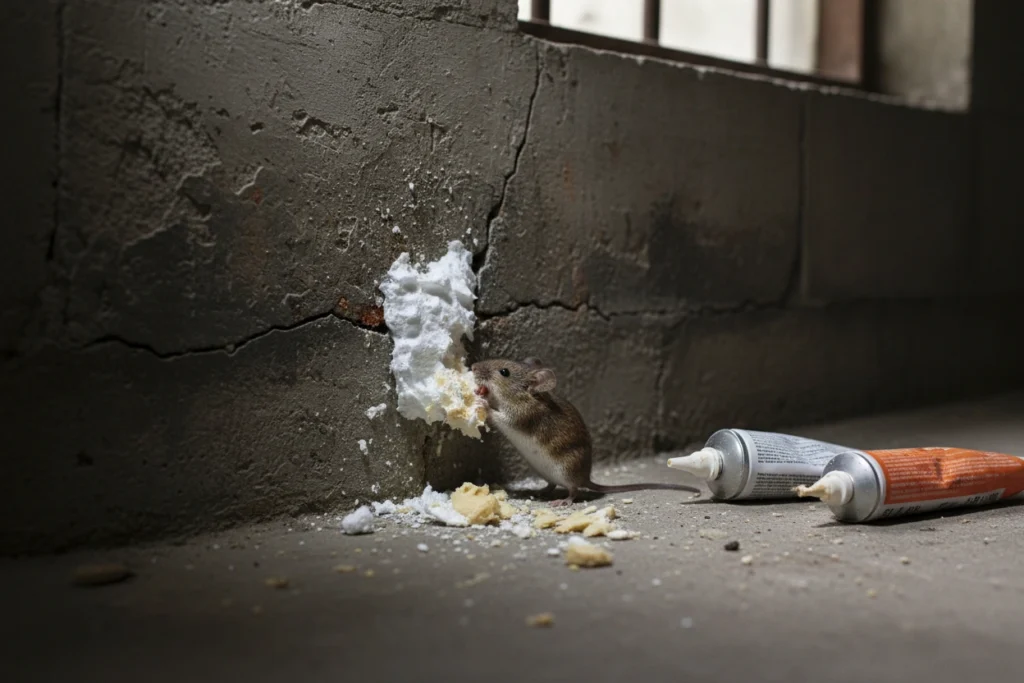
Have you ever wondered if your home is truly safe from pesky rodents? Mice and other common pests can wreak havoc in your home, leading to structural damage and health risks. Understanding their behavior and the effectiveness of various sealing materials is crucial for maintaining a pest-free environment. In this article, we will explore whether mice can chew through spray foam and caulk, along with effective strategies for pest-proofing your home.
The Chewing Habits of Common Rodents
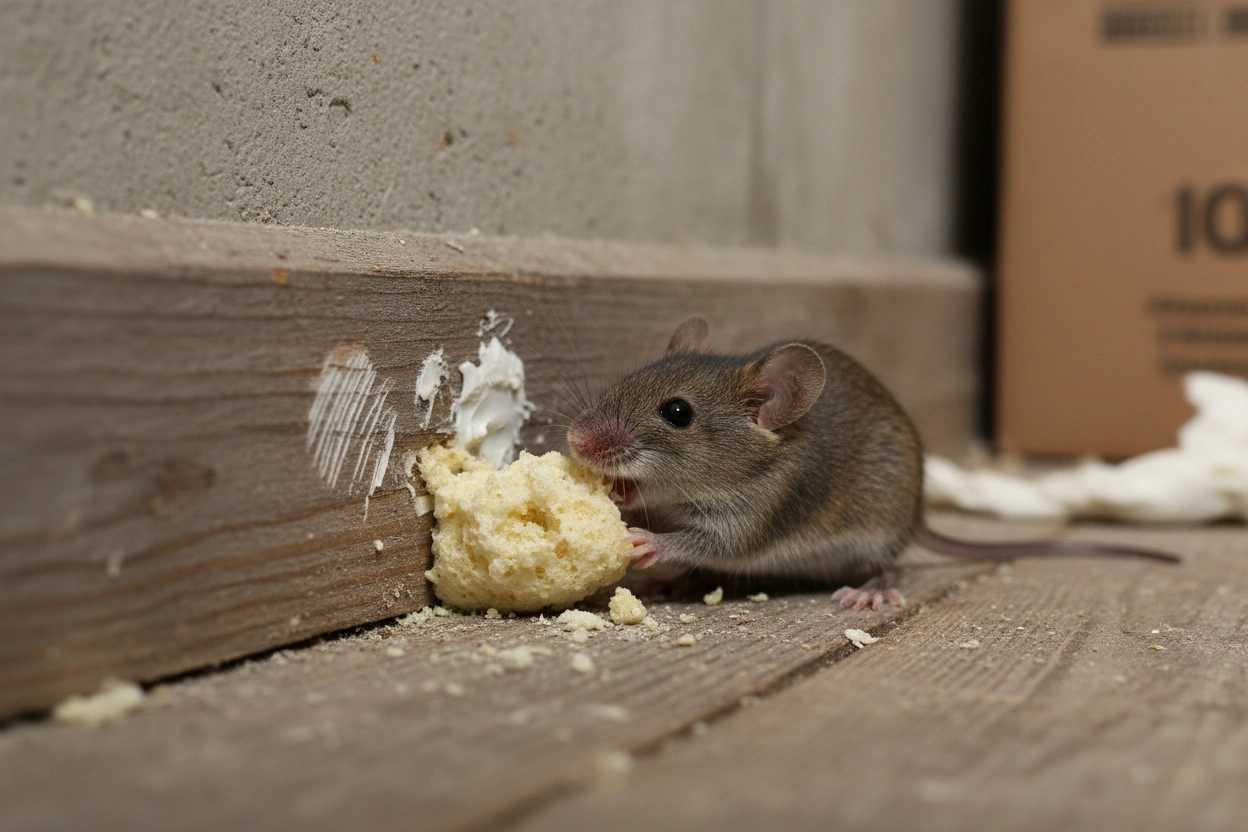
Mice, as well as other common rodents such as rats and squirrels, are known for their relentless chewing behavior. This behavior stems from their need to keep their constantly growing teeth trimmed. Mice are particularly adept at gnawing through various materials, including wood, plastic, and even softer metals. Understanding the chewing habits of these rodents is essential for homeowners looking to fortify their homes against potential infestations.
When it comes to the question of whether mice can chew through spray foam or caulk, the answer is nuanced. While these materials are designed to create barriers, they are not completely impervious to determined rodents. Mice can gnaw through weaker materials, and if the spray foam or caulk is not applied properly, it may not provide the protection needed. Therefore, being aware of how these pests operate can inform your choices in pest-proofing techniques and materials.
Evaluating Spray Foam Insulation and Caulk Types
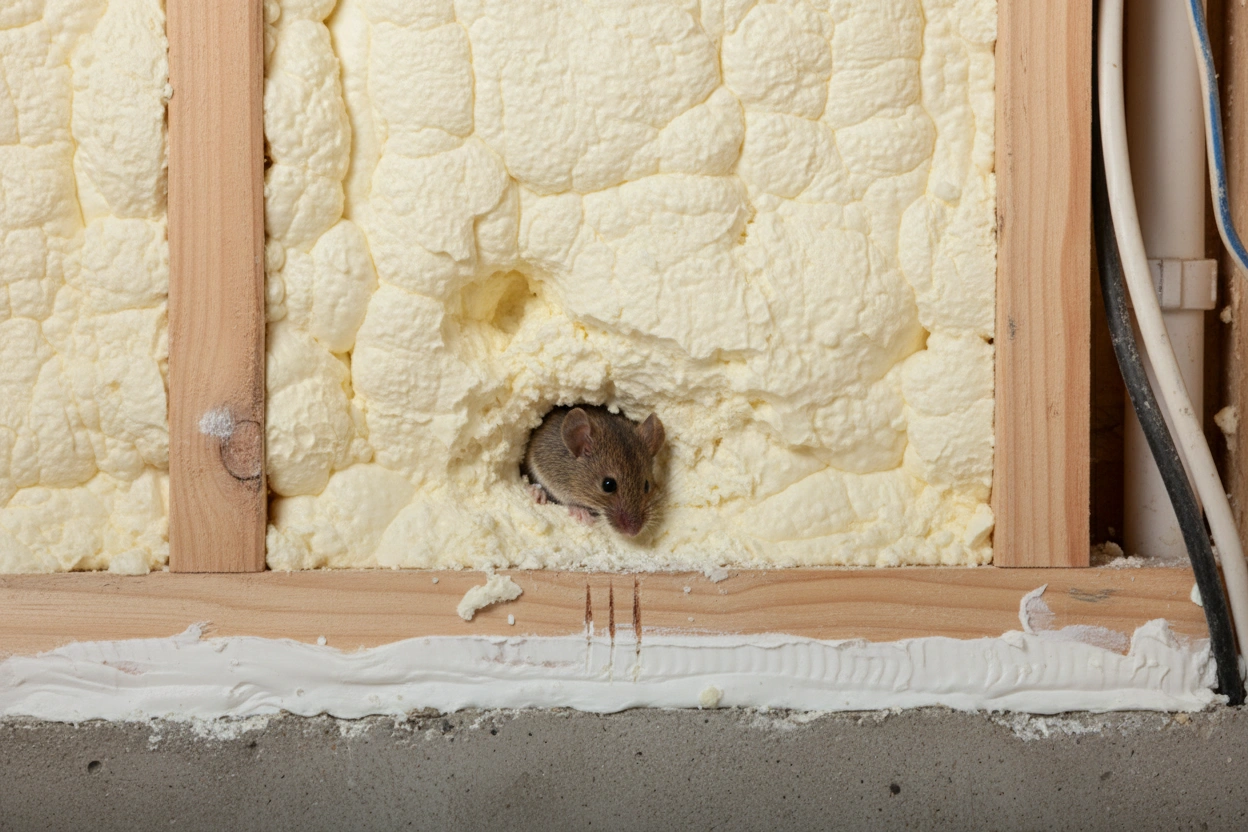
Spray foam insulation comes in various types, including open-cell and closed-cell foam. Open-cell foam is softer and more flexible, making it easier for rodents to chew through. Closed-cell foam, on the other hand, is denser and more resistant to pest damage. For homeowners, selecting the right type of spray foam insulation is crucial in creating an effective barrier against rodent intrusion.
Caulks also vary in their composition and effectiveness. Common types include acrylic, silicone, and polyurethane caulk. Acrylic caulk is water-based and less durable, which may not withstand persistent gnawing. Silicone caulk offers better flexibility and adherence, while polyurethane caulk is known for its toughness and longevity. When evaluating caulk types, homeowners should consider the specific areas they are sealing and the potential for rodent activity.
Effective Pest-proofing Techniques for Your Home
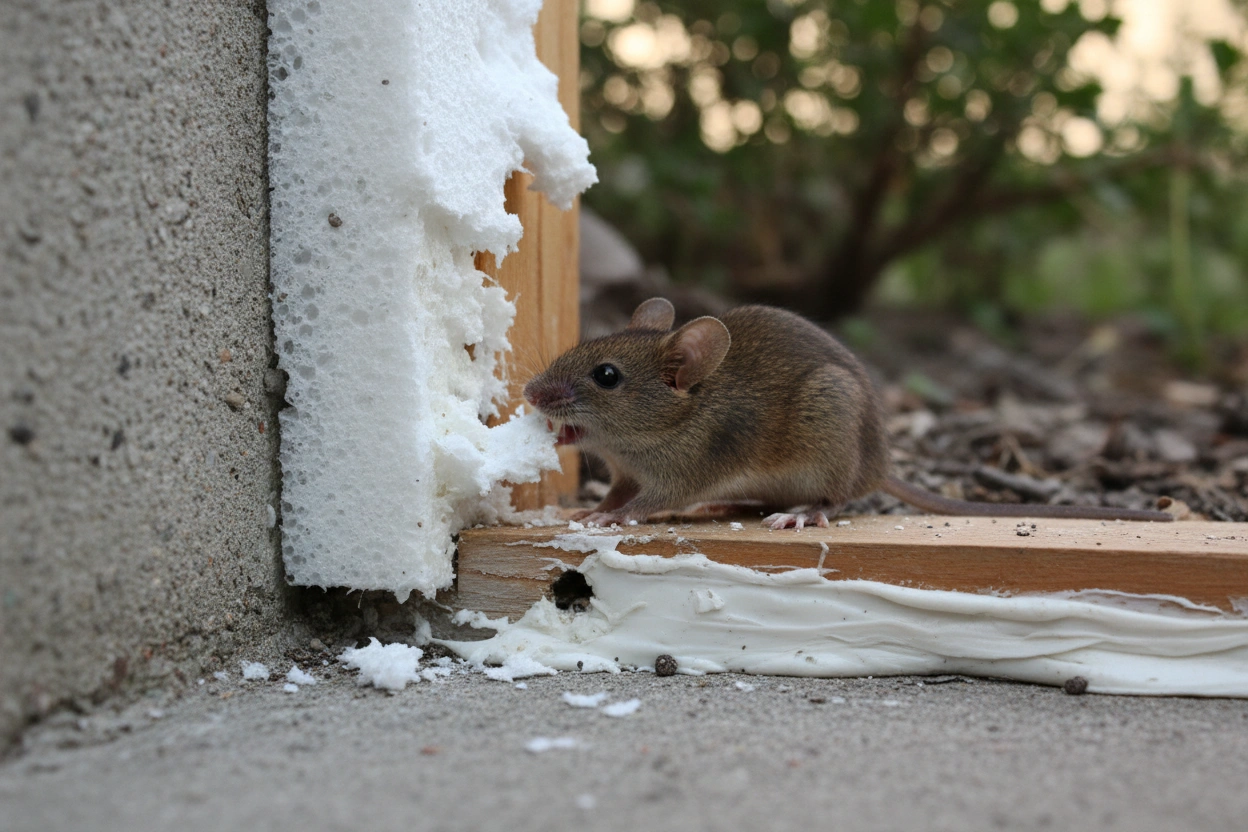
Implementing effective pest-proofing techniques is essential in reinforcing barriers against rodents. One of the first steps is to inspect your home for potential entry points. Cracks and gaps in walls, around windows, and in the foundation should be sealed with appropriate materials, including high-quality caulks and spray foams.
In addition to sealing gaps, homeowners can employ various pest control methods to deter rodents. Utilizing traps, bait stations, and natural repellents can help manage any existing populations. Furthermore, keeping the home clean and free of food sources will significantly reduce the likelihood of attracting mice. For long-term prevention, consider integrating rodent barriers such as metal mesh or hardware cloth in vulnerable areas.
Maintaining Your Home for Long-term Protection
Regular building maintenance is vital in preventing rodent entry and ensuring the effectiveness of sealing materials. Homeowners should conduct routine inspections of their property, checking for signs of wear and tear around seals, doors, and windows. Addressing minor issues promptly can prevent larger problems down the line.
In addition to inspections, keeping your home organized and clutter-free can reduce hiding spots for rodents. Ensure that food is stored in airtight containers and that trash is disposed of regularly. By practicing proactive mice prevention strategies, homeowners can create an environment that is less inviting to these pests.
Understanding the Importance of Pest Control with Pest Patrol
The inquiry into whether mice can chew through spray foam or caulk reveals the importance of understanding rodent behavior and selecting the right materials for home sealing. While these materials can provide a level of protection, they are not foolproof against determined rodents. Homeowners should consider a comprehensive approach that includes effective pest-proofing techniques and regular maintenance.
Don’t wait for a rodent problem to arise; contact us today to learn more about how we can help you secure your home against mice and other common rodents.