
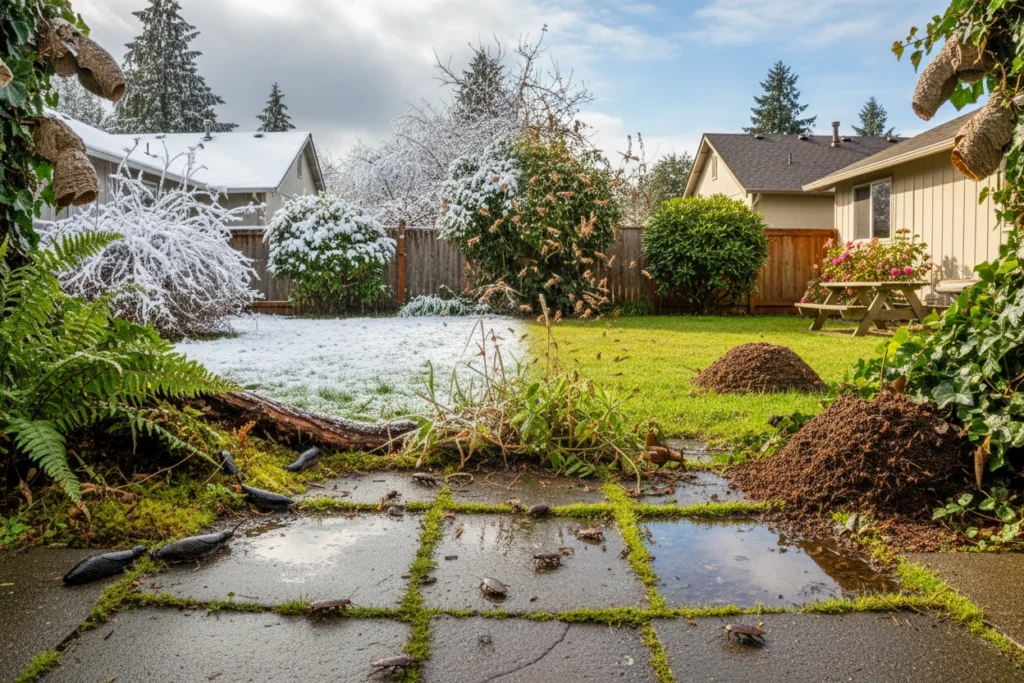
As the seasons change in Beaverton, so too do the pest populations that inhabit the area. The unique climate conditions prevalent in this Pacific Northwest region significantly influence pest behavior and prevalence throughout the year. Understanding these dynamics is crucial for residents looking to maintain a pest-free environment. This article explores the impact of Beaverton’s climate on pest infestations, highlighting seasonal trends and effective pest management strategies.
The Interplay Between Climate and Pest Populations
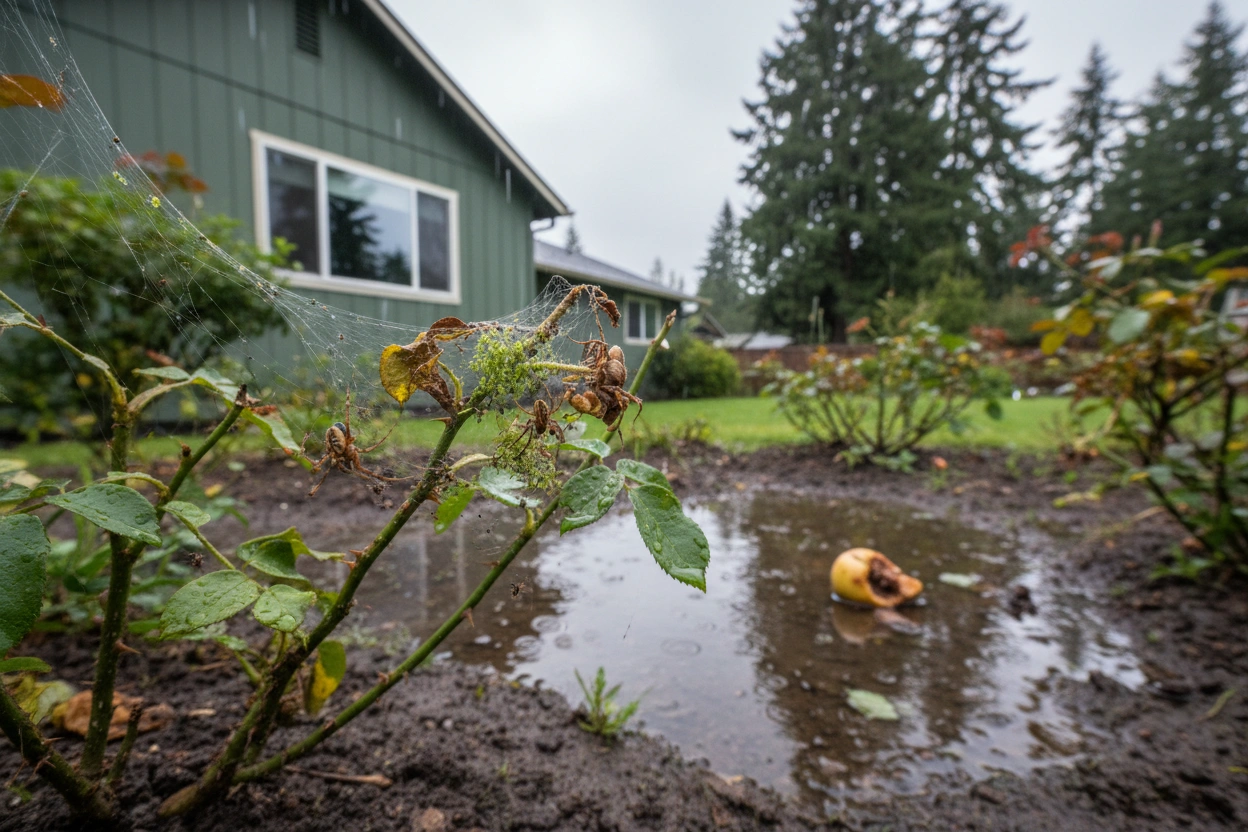
The relationship between climate and pest populations is intricate and multifaceted. Temperature fluctuations play a pivotal role in pest behavior, influencing their lifecycle, reproduction rates, and feeding habits. Warmer temperatures, which are increasingly common due to climate change, can lead to earlier pest activity and extended seasons for many species. In Beaverton, average temperatures have shown a gradual increase over recent years, leading to more prolonged pest activity during traditionally cooler months.
Moreover, humidity is another critical factor affecting pest prevalence. Beaverton’s climate is characterized by its wet winters and moderate summers. High humidity levels create ideal breeding conditions for pests such as mosquitoes and cockroaches. These pests thrive in moist environments, which can lead to increased infestations during the spring and summer months when humidity is at its peak. Conversely, dry conditions can reduce pest populations but may lead to the emergence of other species that are more resilient to lower moisture levels.
Recognizing Seasonal Pest Trends in Beaverton
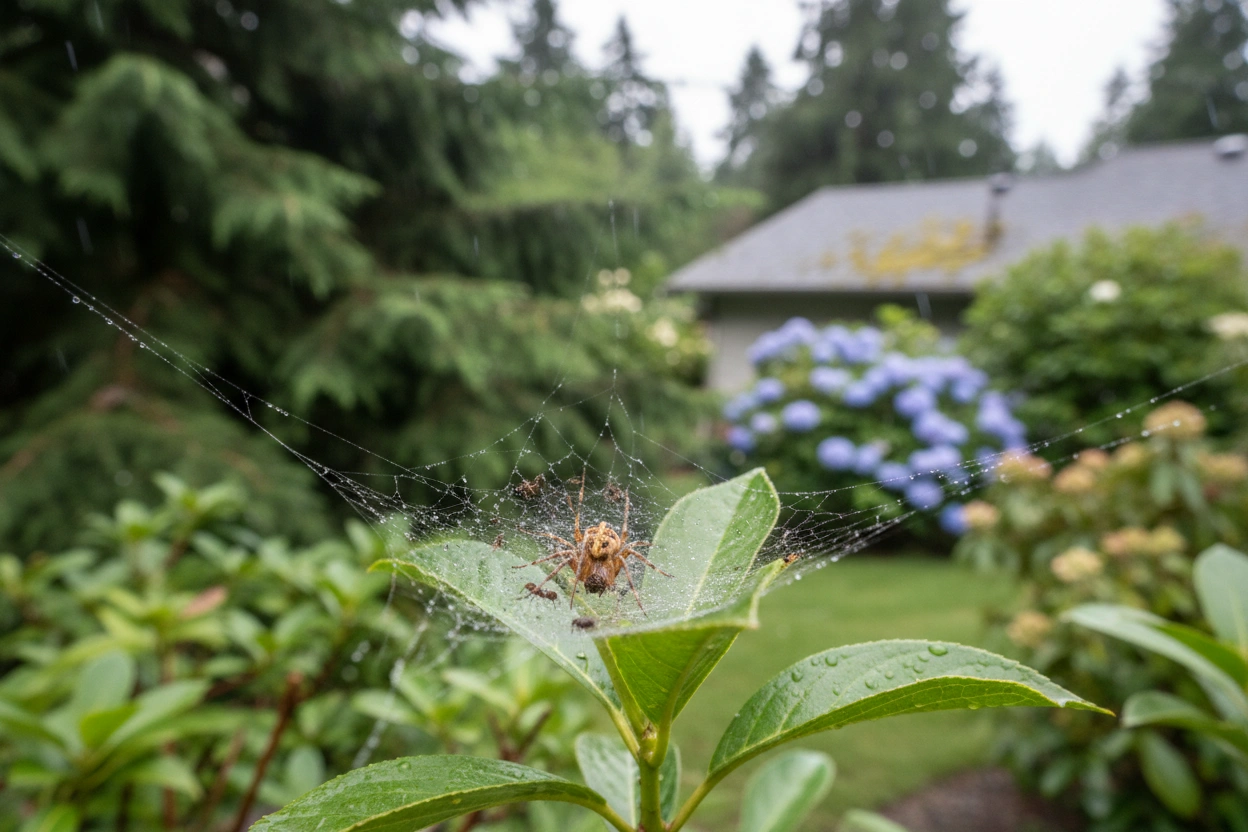
Understanding the seasonal pest trends in Beaverton is essential for effective pest management. Each season brings its own set of common pests, and recognizing these can help residents stay vigilant.
-
Spring: As temperatures rise, pests like ants, termites, and aphids become active. Homeowners should look for signs of ant trails and wood damage indicative of termite infestations.
-
Summer: Warm, humid conditions lead to a surge in mosquito populations. Additionally, wasps and flies become more prevalent. Signs of these pests include buzzing sounds and visible nests.
-
Fall: Many pests seek shelter indoors as temperatures drop. Rodents such as mice and rats may enter homes, so it’s crucial to check for signs of gnawing or droppings.
-
Winter: While many pests become dormant, some, like cockroaches, can survive indoors. Homeowners should be aware of signs such as droppings or shed skins.
By familiarizing themselves with these seasonal patterns, residents can proactively address potential infestations before they escalate into larger problems.
Effective Pest Management Strategies for Beaverton Residents

Integrating knowledge of climate effects into pest control is vital for Beaverton residents. Effective pest management strategies consider both seasonal trends and specific climatic conditions.
-
Regular Inspections: Conduct routine inspections of your property, especially during spring and fall when pests are most likely to invade. Look for entry points and signs of infestations.
-
Humidity Control: Since humidity significantly influences pest behavior, utilizing dehumidifiers in damp areas of the home can help deter moisture-loving pests.
-
Landscaping Choices: Opt for plants that are less attractive to pests and maintain a well-trimmed yard to reduce hiding spots for insects and rodents.
-
Seasonal Treatments: Implement seasonal pest control treatments tailored to the specific pests prevalent during different times of the year. This proactive approach can significantly reduce the risk of infestations.
By applying these pest management strategies, residents can effectively mitigate the impact of Beaverton’s climate on pest populations.
How Beaverton’s Climate Shapes Year-Round Pest Activity
Beaverton’s mix of wet seasons, mild temperatures, and shifting humidity creates ideal conditions for a wide range of pests. Moisture can attract ants, cockroaches, and termites, while cooler months push rodents and spiders indoors in search of shelter. These changing conditions mean pest activity is not just seasonal, it can be year-round if left unmanaged. Understanding how local weather patterns influence pest behavior helps you stay proactive instead of reactive.
If you are noticing pest activity influenced by changing weather or want a plan built around local conditions, Pest Patrol can assess your home and recommend a targeted approach. Contact Pest Patrol for a free quote and take the next step toward keeping your home protected in every season.