

Ever noticed a house spiders lurking in your home and wondered if it’s a harmless guest or a sign of a bigger pest issue? Many homeowners find themselves questioning the presence of these eight-legged creatures, often unsure whether they are a cause for concern or merely a part of their home environment. Understanding the relationship between house spiders and potential pest problems is crucial for effective pest management. In this article, we’ll explore how to identify spider species, recognize signs of infestations, and implement effective pest control strategies.
The Role of House Spiders in Your Home
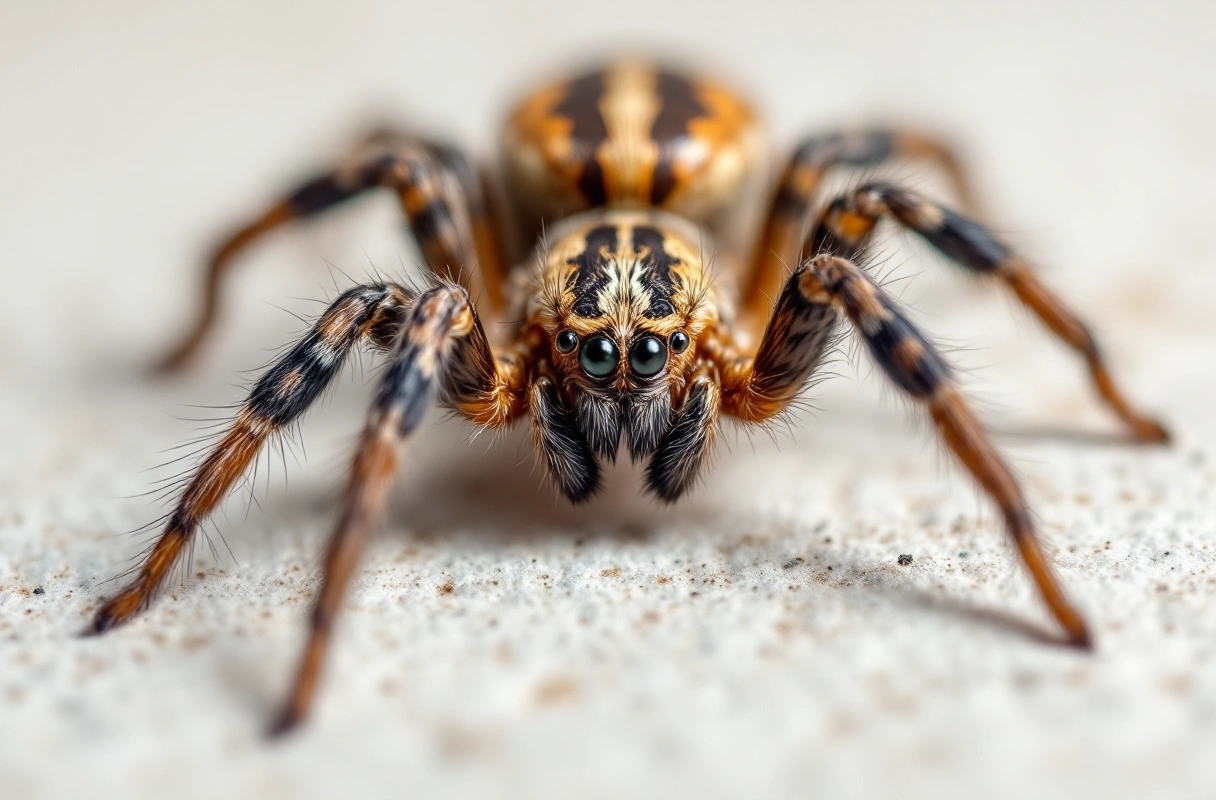
House spiders play an essential role in maintaining the ecological balance within your home. They are often beneficial, preying on smaller pests like flies, moths, and even other spiders. This natural pest control can reduce the population of these unwanted visitors, providing a degree of relief for homeowners. However, the presence of house spiders can also signal that your home might be inviting to other pests, which is where identification becomes critical.
House spider identification can vary widely based on species. Common types include the common house spider, the cellar spider, and the wolf spider. Understanding the specific characteristics of these spiders can help you determine if their presence is a benign occurrence or a potential indicator of a larger pest issue. For example, the common house spider typically has a brown or gray coloration and can be identified by its webbing, while cellar spiders have long legs and are often found in dimly lit corners. Knowing these details can help homeowners make informed decisions regarding pest management.
Recognizing Signs of a Spider Infestation

Recognizing the signs of a spider infestation is crucial for determining whether the presence of house spiders is a symptom of a larger pest problem. One of the most telling signs is the appearance of webs and egg sacs in corners, on ceilings, and in other undisturbed areas of your home. Egg sacs, which can contain dozens of spiderlings, indicate that spiders are breeding within your home, raising the likelihood of an infestation.
Frequent sightings of spiders, especially in areas where they were previously absent, can suggest an underlying pest problem. If you notice an increase in spider activity, it may be worth investigating other pest populations that could be attracting them. For instance, if you see a significant number of cobwebs, it is likely that there is a food source nearby, such as other insects. Being vigilant about these spider infestation signs can help you take timely action to mitigate any potential pest issues.
Common Household Pests That Attract Spiders
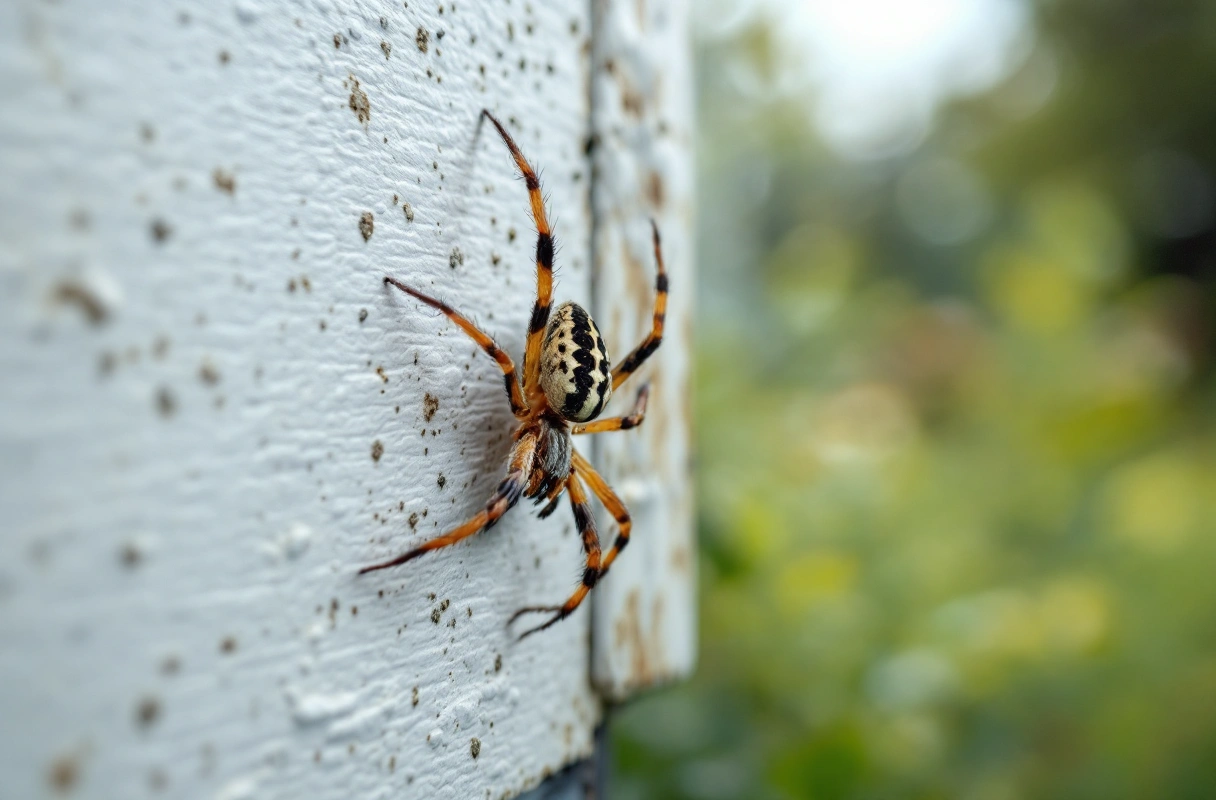
Household pests are often the primary attractants for spiders, creating an environment where these predators thrive. Common household pests include flies, cockroaches, and ants. Flies, for instance, can be particularly alluring due to their easy accessibility and abundance in kitchens and dining areas. Cockroaches, on the other hand, not only provide a food source for spiders but also create ideal habitats in dark, moist areas of your home.
Addressing these pests can significantly reduce spider populations. Implementing effective pest control strategies to eliminate flies and cockroaches will not only help manage spider numbers but will also contribute to a healthier living environment. Regular cleaning, sealing entry points, and utilizing traps can aid in reducing these pest populations, thus indirectly curbing spider activity.
Effective Pest Management Strategies
Implementing effective pest management strategies is essential for controlling both spiders and their prey. Integrated pest management (IPM) is a holistic approach that combines various strategies to minimize pest problems. This includes monitoring pest populations, identifying pest species, and using appropriate control methods that are environmentally friendly.
Regular inspections of your home can help identify potential entry points for spiders and other pests. Look for gaps in windows, doors, and foundations, and seal any openings to prevent pests from entering. Proactive measures, such as maintaining a tidy living space and reducing clutter, can also discourage spiders from making your home their habitat. By employing these pest control solutions, homeowners can create an environment that is less inviting to both spiders and the pests that attract them.
Understanding the Connection Between House Spiders and Pest Problems
Understanding whether house spiders indicate a larger pest problem is essential for maintaining a healthy home environment. By recognizing the signs of spider infestations, identifying common household pests, and implementing effective pest management strategies, homeowners can take control of their living spaces.
Pest Patrol is dedicated to helping you navigate these challenges. If you’re concerned about the presence of house spiders or other pests in your home, our expert team is ready to assist you. Contact us today for tailored pest management solutions that address your specific needs.