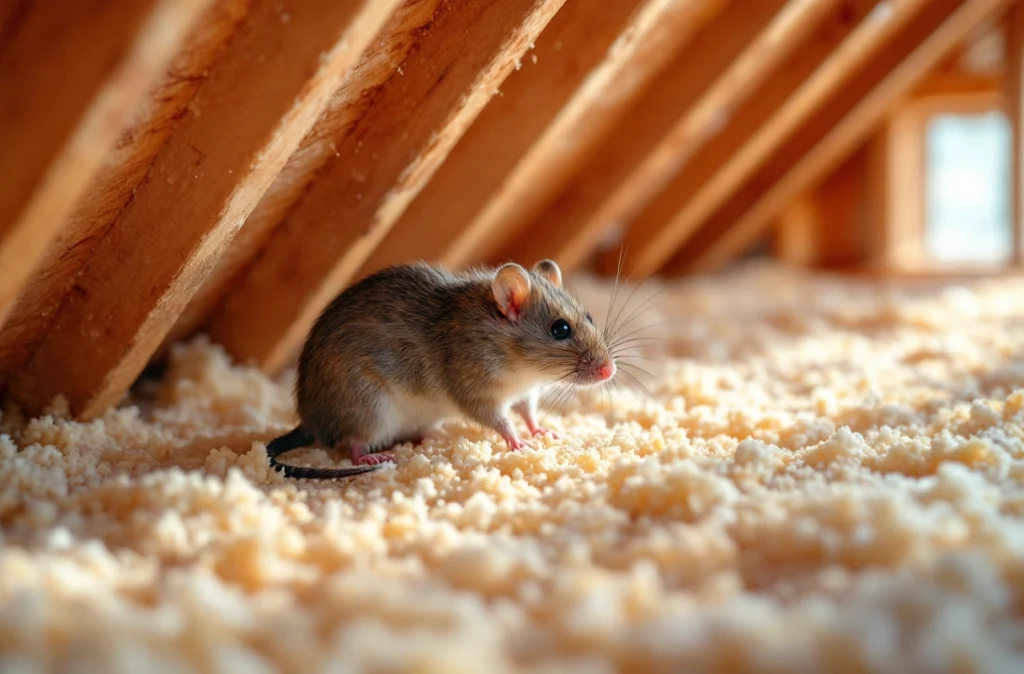
After a rodent infestation, the state of your attic insulation can significantly impact your home’s health and energy efficiency. Rodents, such as rats and mice, can cause extensive damage, not only to your insulation but to the overall structure of your home. Understanding when attic insulation needs replacement after rodent activity is crucial for maintaining a safe and comfortable living environment. This article will guide you through identifying when your attic insulation needs replacement after rodent activity, the signs of damage, and how to proceed with repairs and prevention.
Identifying Signs of Rodent Damage in Your Attic
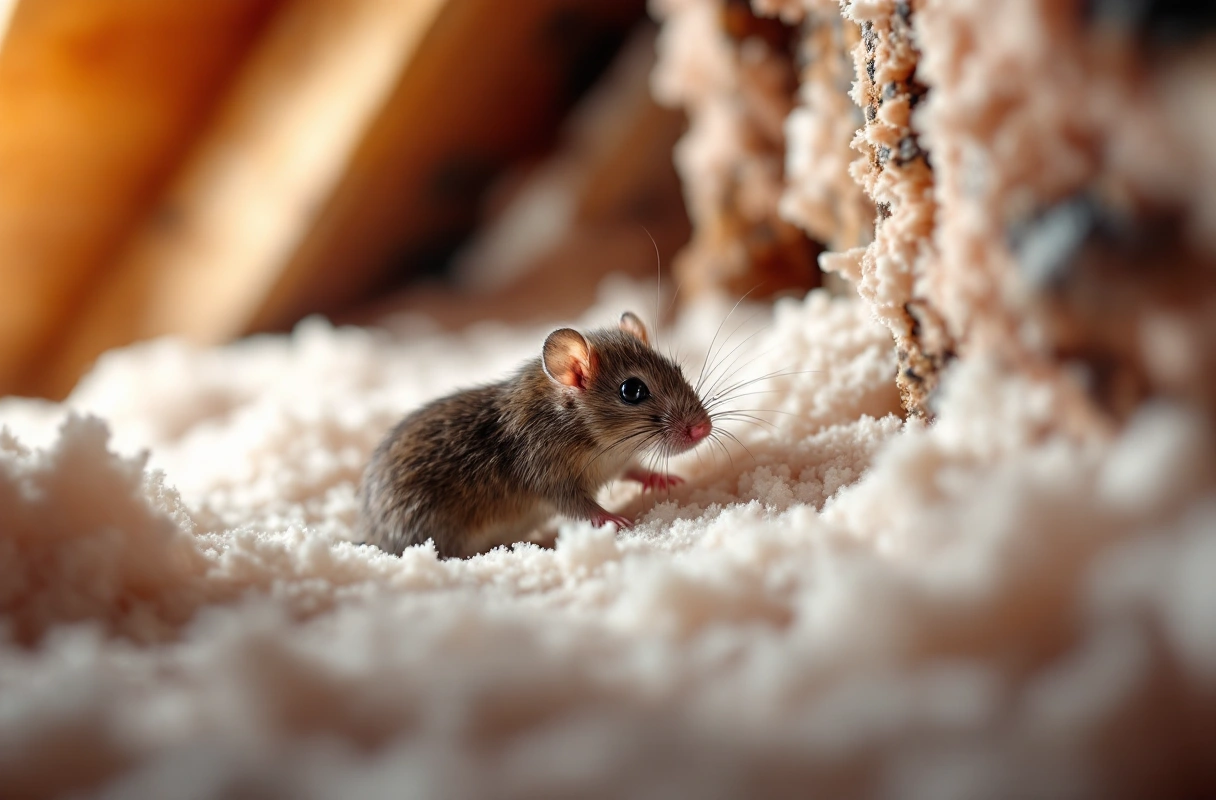
Detecting signs of a rodent infestation is the first step in determining whether your attic insulation has been compromised. Common indicators of rodent infestation include droppings, gnaw marks, and nesting materials. Droppings are usually small, dark, and pellet-shaped, often found near food sources or nesting areas. Gnaw marks can be seen on beams, wires, and insulation itself, indicating that rodents have been active in your attic.
Physical signs of damage to insulation can vary based on the type of insulation used. For instance, fiberglass insulation may appear flattened or matted down, losing its effectiveness in thermal regulation. In contrast, cellulose insulation can become clumpy and lose its R-value, which is a measure of thermal resistance. If you notice any of these signs, it is imperative to assess the extent of the damage further to determine the next steps.
Evaluating the Condition of Your Attic Insulation
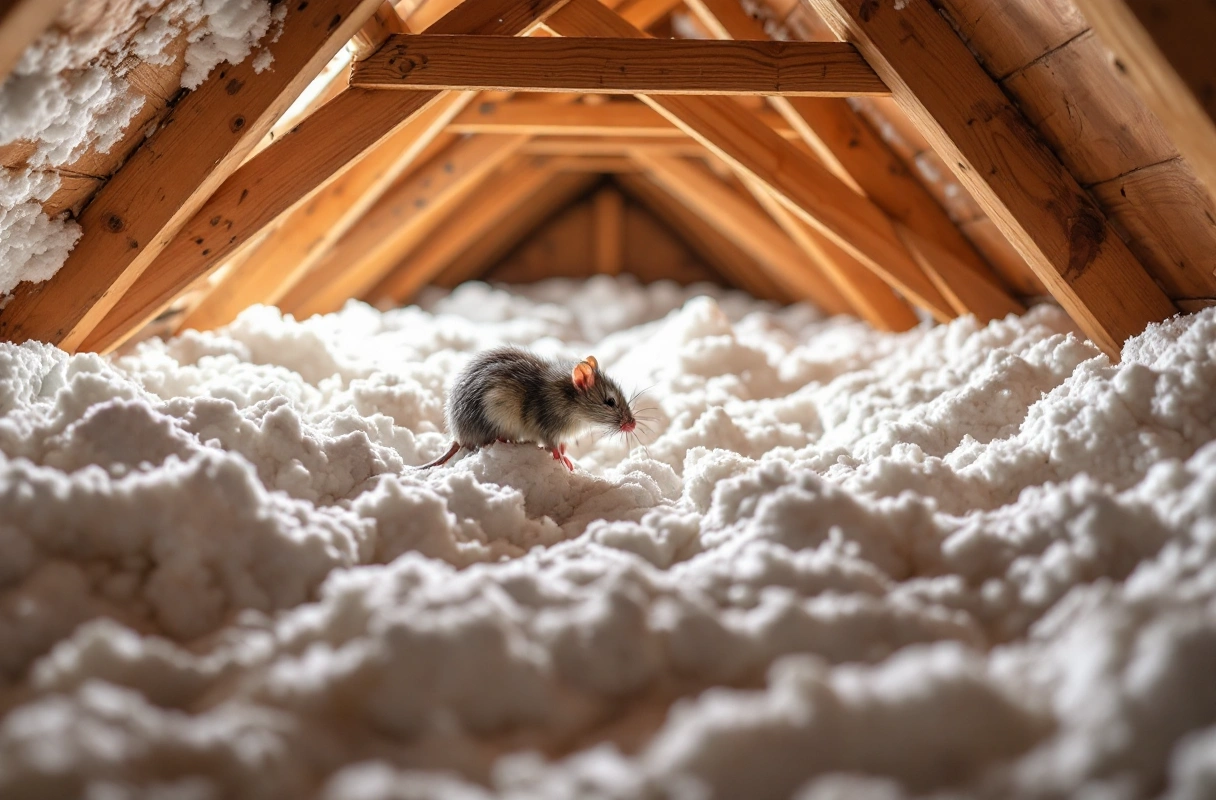
Once you have identified signs of rodent activity, the next step involves evaluating the condition of your attic insulation. Different types of insulation react differently to rodent infestations. For example, fiberglass insulation can often be cleaned and reused if it hasn’t been contaminated by urine or feces. In contrast, cellulose insulation is more prone to absorbing moisture and odors from rodent waste, often necessitating complete replacement.
Determining if repairs or replacement is needed requires a thorough assessment of the insulation’s condition. If the insulation is heavily contaminated or damaged, it is often more cost-effective to replace it entirely. Additionally, consider consulting with professionals who specialize in attic insulation replacement to gain insights into the best course of action. They can help you understand the current state of your insulation and recommend appropriate solutions tailored to your needs.
Effective Strategies for Insulation Replacement and Repair
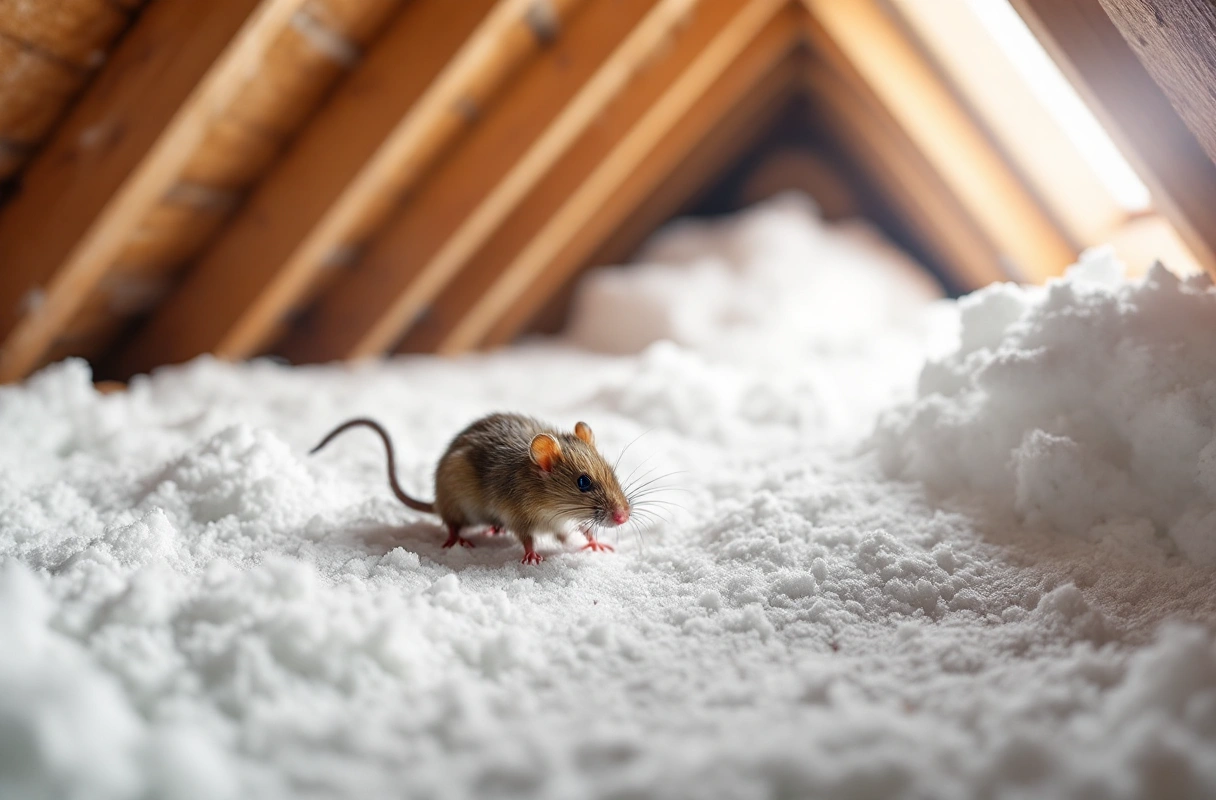
When it comes to insulation replacement and repair, there are specific steps that should be followed to ensure a safe and effective process. The initial step involves safely removing damaged insulation. This process typically requires protective gear, including gloves, masks, and goggles, to avoid exposure to harmful particles or contaminants. Insulation removal services are often recommended, as professionals have the experience and equipment needed to safely handle this task.
After the damaged insulation has been removed, the next step is to install new insulation. Best practices for new insulation installation include ensuring proper ventilation and sealing any gaps or cracks that may allow rodents to re-enter. Insulation should be installed according to the manufacturer’s specifications, with attention paid to achieving the desired R-value for your climate. Engaging professionals in insulation installation can help guarantee that the job is done correctly and efficiently.
Preventing Future Rodent Infestations
Preventing future rodent infestations is essential for maintaining the integrity of your attic insulation. Identifying entry points is the first step in this preventive strategy. Rodents can squeeze through surprisingly small gaps, so it’s crucial to inspect the exterior of your home for cracks in the foundation, gaps around windows, and holes in siding or roofing.
Implementing rodent-proofing measures can significantly reduce the chances of a re-infestation. This includes sealing all identified entry points with materials such as steel wool or caulk, as well as maintaining a clean attic environment. Regular inspections and maintenance can also help keep your attic free of potential rodent attractants, such as food debris or nesting materials.
Benefits of Maintaining Proper Attic Insulation
Maintaining proper attic insulation offers a multitude of benefits that go beyond just energy efficiency. One of the primary advantages is the potential for cost savings on heating and cooling bills. Well-insulated attics can help regulate indoor temperatures, reducing the workload on HVAC systems and leading to lower energy costs over time.
Improved indoor air quality is another significant benefit of maintaining proper attic insulation. Insulation acts as a barrier to pollutants, allergens, and moisture, which can accumulate in poorly insulated spaces. By ensuring that your attic is properly insulated and free from contamination, you can create a healthier living environment for you and your family.
The Importance of Replacing Attic Insulation After Rodent Infestations
Understanding when attic insulation should be replaced after rodent activity is crucial for maintaining a healthy home. When you notice signs of rodent damage, it is vital to evaluate the condition of your insulation, consider effective removal and replacement strategies, and implement preventive measures to avoid future infestations. Pest Patrol specializes in providing comprehensive solutions for rodent infestations and insulation concerns.