
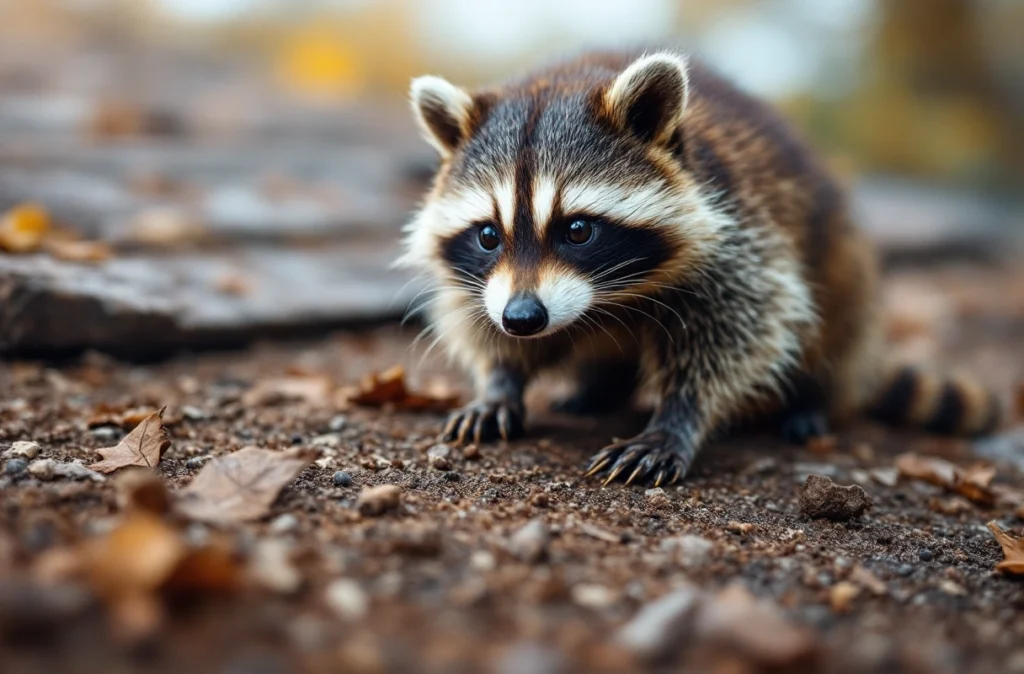
Are you hearing strange noises in your attic at night? It could be a raccoon! These nocturnal creatures are known for their adaptability and can often find their way into homes, particularly through attics. In this article, we’ll explore the signs that indicate a raccoon might be living in your attic, how to identify their presence, and what steps to take for removal and prevention. Understanding these aspects is crucial for homeowners to maintain a safe and secure living environment.
Identifying Common Signs of Raccoon Activity
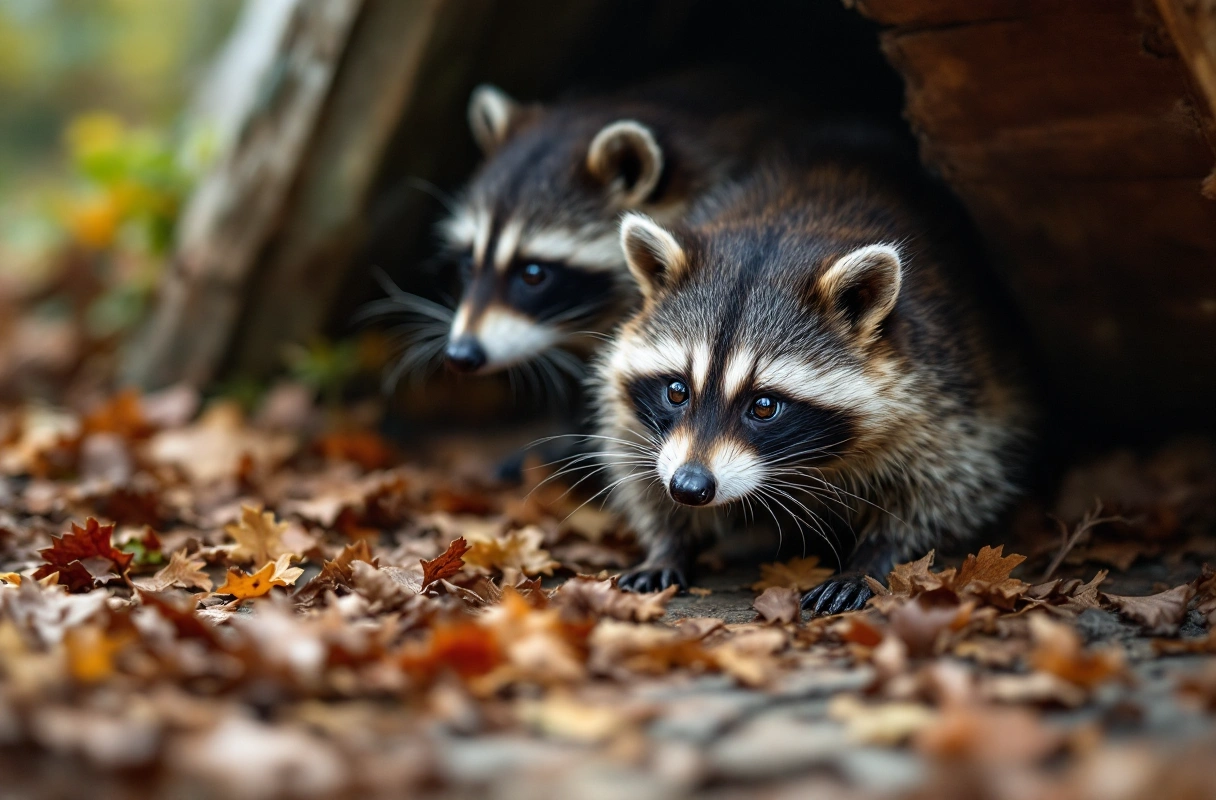
When it comes to identifying raccoon signs in the attic, there are several key indicators that homeowners should be aware of. One of the most noticeable signs is physical evidence such as droppings and tracks. Raccoon droppings are typically cylindrical and can be quite large, often containing undigested food like seeds or fruit. If you find these droppings in your attic, it’s a clear sign of their presence. Additionally, raccoon tracks can often be identified by their distinctive five-toed paw prints, which are about 2-4 inches long.
Another critical aspect of identifying raccoon presence involves paying attention to the noises that emanate from your attic. Raccoons are primarily nocturnal, so their activity tends to peak at night. You may hear sounds such as scurrying, scratching, or even vocalizations like chattering or growling. These noises are often more pronounced during the breeding season, which typically occurs in late winter to early spring. If you’re hearing these unusual sounds, it could very well be a raccoon making itself at home in your attic.
Understanding Raccoon Behavior in Homes
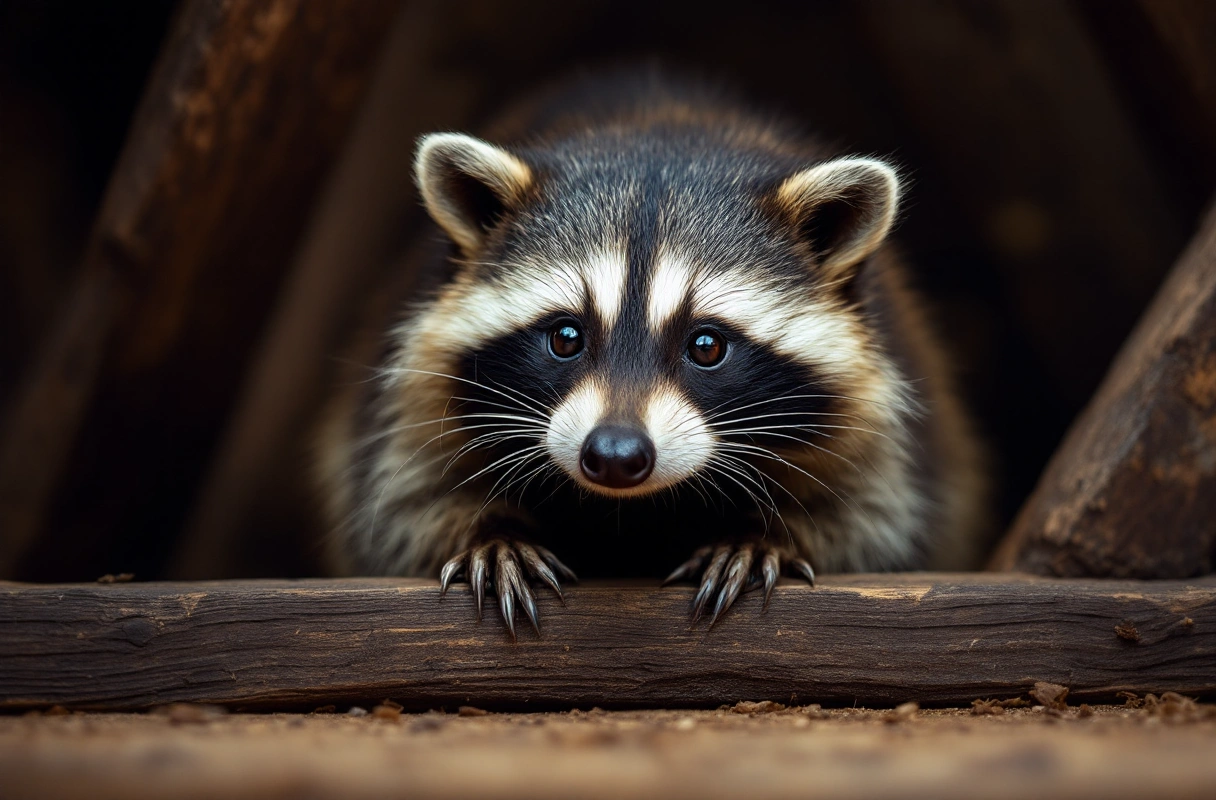
To effectively manage a raccoon problem, it’s essential to understand their behavior in homes. Raccoons are known for their nesting habits, often seeking out warm, secluded areas like attics to raise their young. They typically create nests using insulation, shredded paper, or other soft materials found in the attic. If you notice signs of nesting, such as disturbed insulation or shredded materials, this could indicate a raccoon has taken up residence.
Feeding behavior is another factor that attracts raccoons to homes. Raccoons are omnivorous and will scavenge for food, which can include pet food left outside, unsecured garbage cans, or even bird feeders. If you have a garden, they may also be drawn to fruits and vegetables. Understanding these feeding habits can help homeowners take pest control tips to deter raccoons from entering their living spaces.
Evaluating Potential Damage From Raccoons
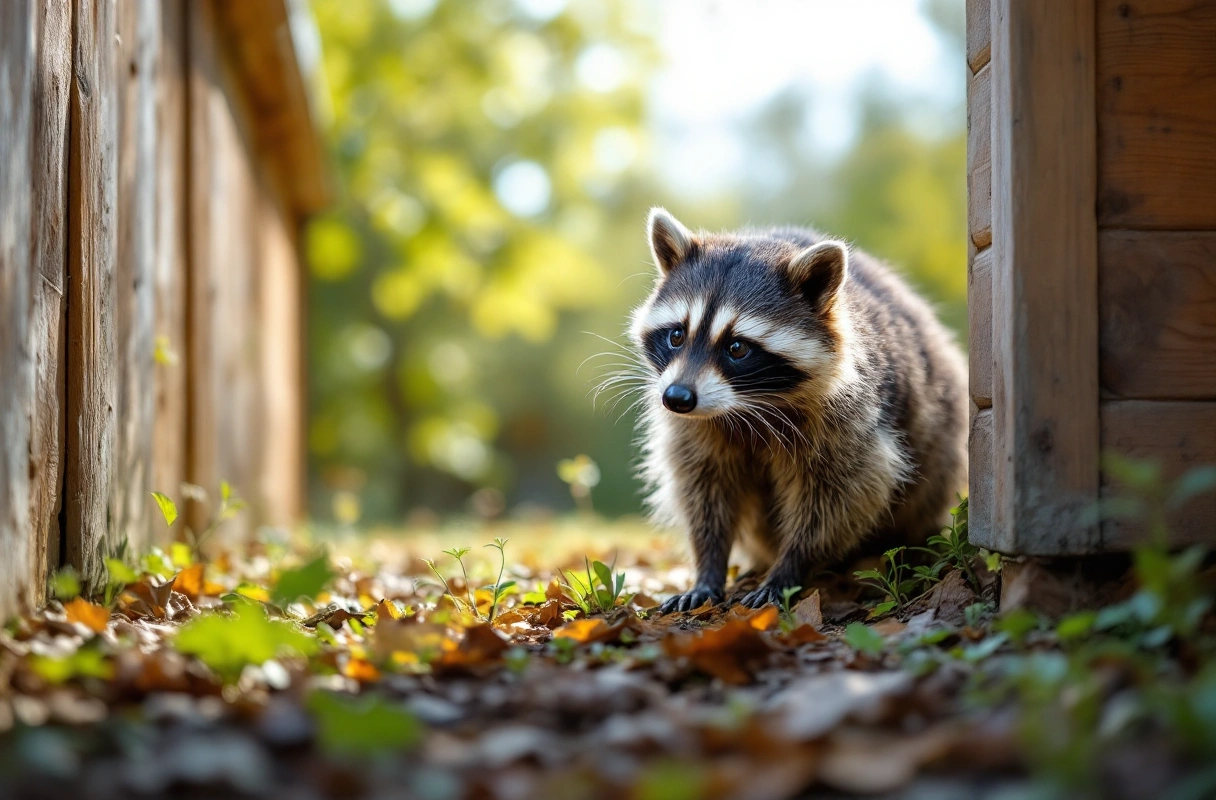
When raccoons invade your attic, the potential for damage is significant. Raccoons are known to cause various types of damage, including tearing up insulation, chewing through wiring, and damaging roofing materials. This destruction not only poses a risk to your home’s structural integrity but can also lead to costly repairs.
To assess the extent of the damage, homeowners should conduct a thorough inspection of the attic. Look for chewed wires, torn insulation, or holes in the roof or walls that indicate entry points. Additionally, be on the lookout for any signs of water damage, as raccoons can create pathways for moisture that may lead to mold growth. Evaluating this damage early can prevent more severe problems down the line.
Effective Raccoon Removal Strategies
When it comes to raccoon removal, employing safe and humane methods is crucial. Trapping is a common approach, but it is essential to use traps that comply with local wildlife regulations. If you choose to trap a raccoon, make sure to place the trap in an area where you’ve noticed signs of activity. Bait the trap with foods that raccoons find appealing, such as fruits or cat food.
However, in many cases, the best course of action is to contact wildlife removal services. These professionals have the expertise and tools to handle raccoon infestations safely and humanely. They can also provide valuable advice on preventing future invasions, ensuring that your home remains raccoon-free.
Preventing Raccoons From Entering Your Attic
Long-term prevention measures are essential for keeping raccoons out of your attic. One of the most effective strategies is to secure all potential entry points. Inspect your home for gaps or openings, particularly around vents, chimneys, and the roofline. Use sturdy materials to seal these areas, as raccoons can easily chew through weaker barriers.
Best practices for homeowners include ensuring that garbage cans are tightly sealed and removing any outdoor food sources, such as pet food or bird seed. Additionally, consider installing motion-activated lights around your property to deter nocturnal wildlife. By taking these proactive measures, you can significantly reduce the likelihood of a raccoon infestation.
The Intersection of Raccoon Awareness and Home Protection
Understanding how to identify if a raccoon is living in your attic is critical for maintaining a safe home. By recognizing the signs of raccoon activity, understanding their behaviors, evaluating potential damage, and employing effective removal strategies, homeowners can protect their properties from these clever intruders.
Pest Patrol specializes in wildlife removal and can assist you in addressing any concerns regarding raccoons in your attic. With our expertise, you can learn how to prevent raccoon infestations, ensuring a peaceful and secure living environment.