
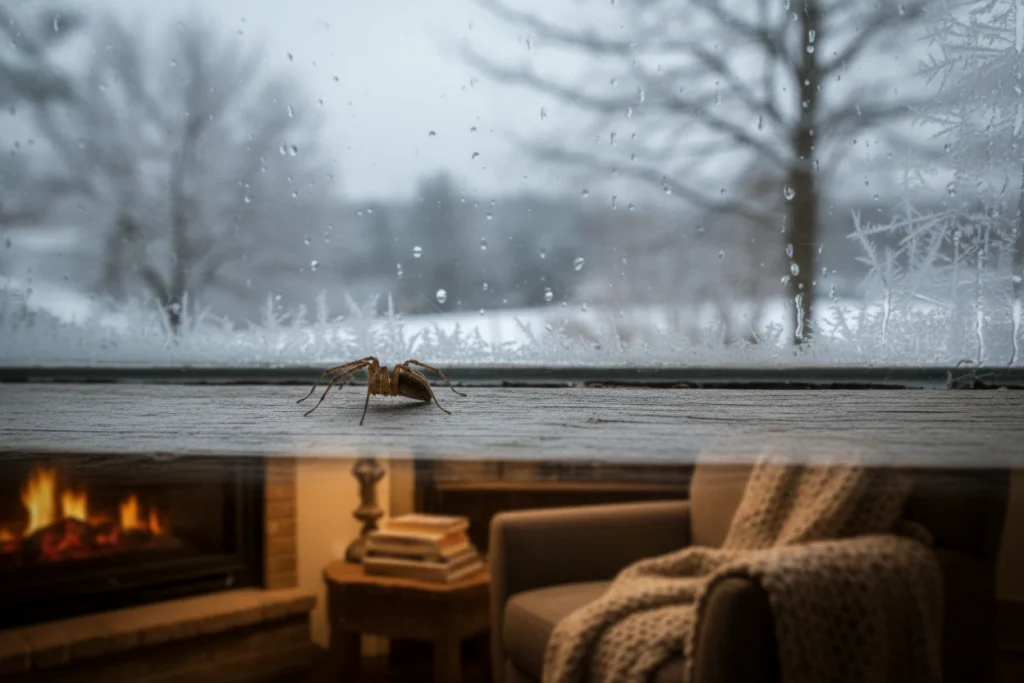
As temperatures drop, many homeowners notice an unwelcome influx of spiders indoors. This phenomenon can be alarming, particularly for those who have a fear of these eight-legged creatures. Understanding the reasons behind this increase in spider activity during colder months can help alleviate concerns and inform effective prevention strategies. This article explores the behavioral patterns of spiders in winter, identifies common house spiders, and provides actionable tips for keeping your home spider-free.
The Science Behind Spiders Seeking Shelter
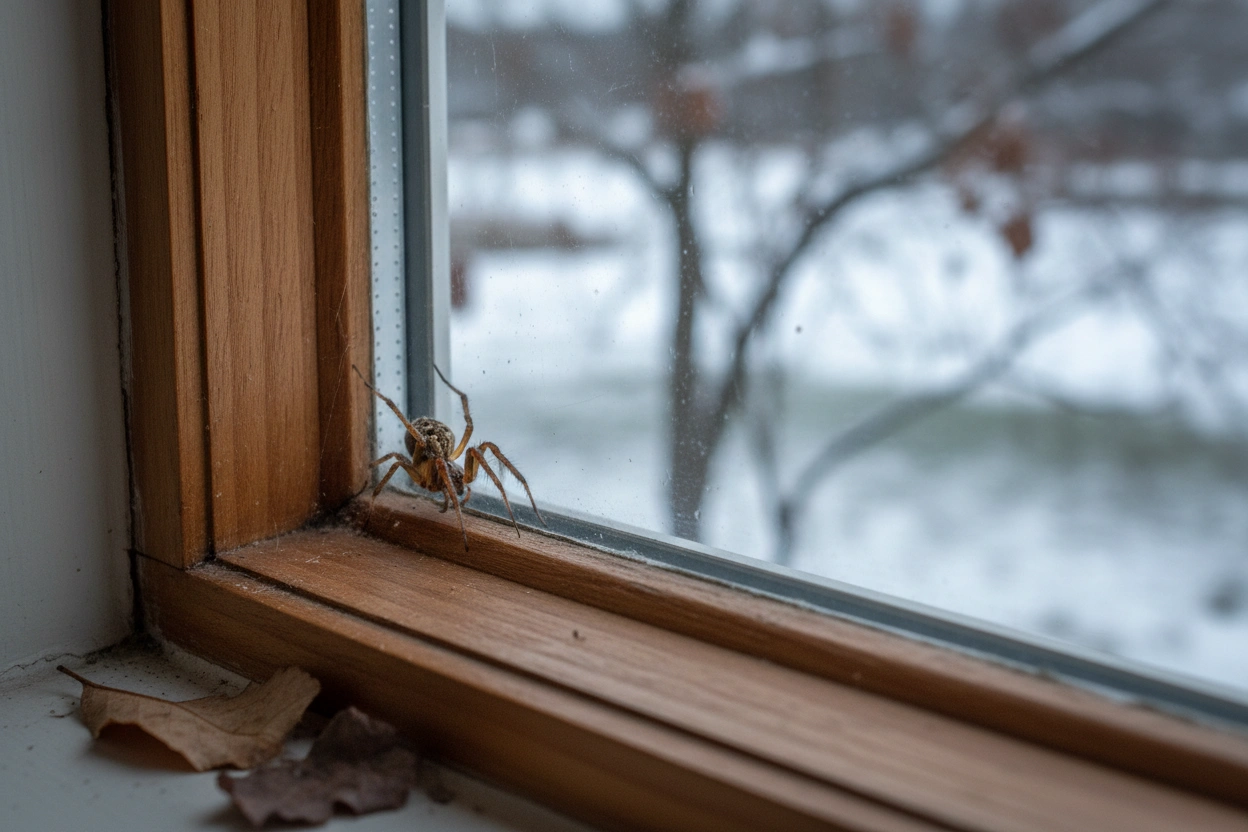
Spiders are ectothermic creatures, meaning their body temperature is regulated by the environment. As temperatures begin to fall, spiders naturally seek warmer locations to survive. This behavior is driven primarily by their need to maintain an optimal temperature for metabolic processes. When outdoor temperatures dip, many spiders will venture into homes in search of warmth and shelter.
Understanding seasonal spider activity patterns is crucial for homeowners. As the days shorten and the weather turns colder, spiders become increasingly active in their search for suitable environments. This is particularly true for species that prefer sheltered areas, such as the common house spider. During winter, these spiders may find their way indoors through cracks, crevices, and open windows, leading to an uptick in sightings.
Key Factors Influencing Indoor Spider Activity
-
Temperature Drop: Lower temperatures push spiders to seek shelter.
-
Reduced Food Sources: As insects become less active, spiders may move indoors where food sources, albeit limited, are more accessible.
-
Mating Season: Some spider species may also seek indoor environments for breeding purposes during late autumn and early winter.
Identifying Common House Spiders in Winter
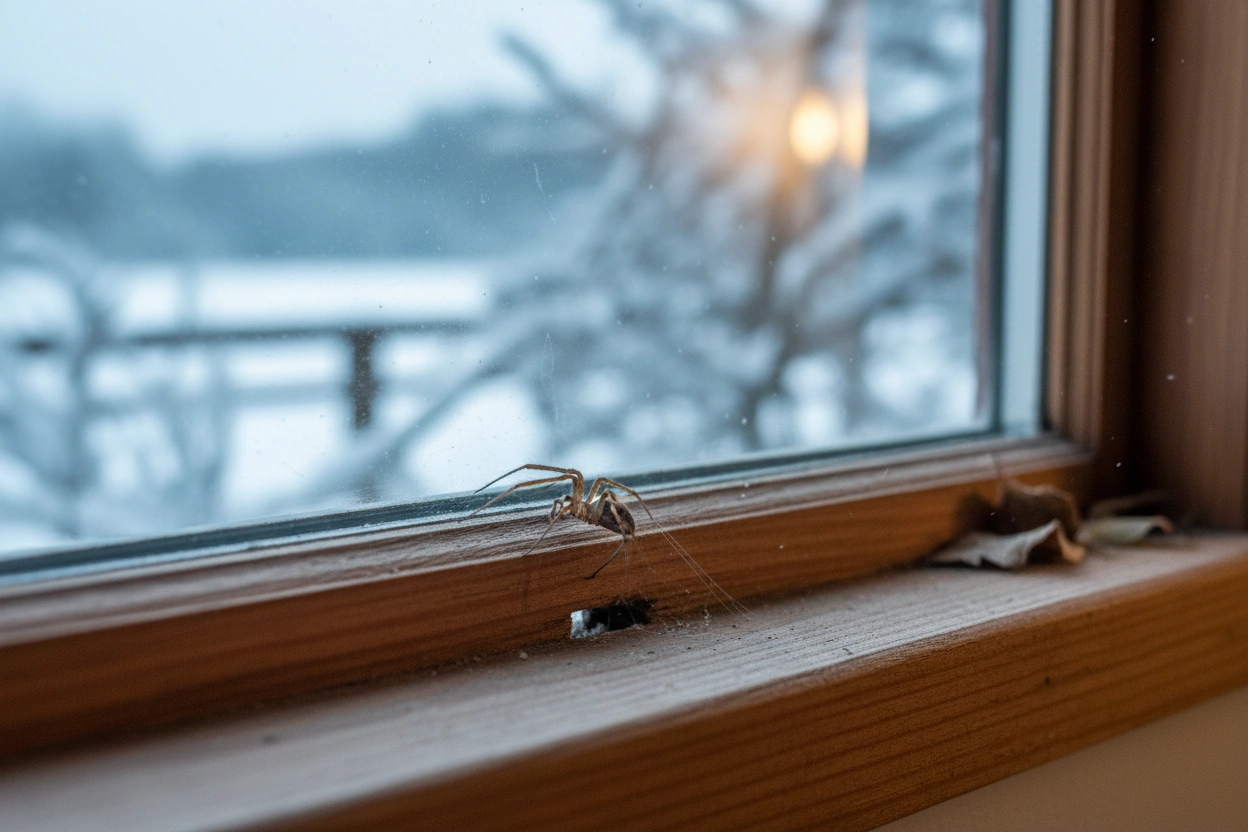
Recognizing different types of house spiders is essential for homeowners looking to manage their indoor spider population effectively. Common species that may infiltrate homes during winter include the house spider, cellar spider, and jumping spider. Each of these species has distinct characteristics that can help in identification.
Signs of Spider Infestations
It is vital to be aware of the signs that indicate a spider infestation in your home. Common indicators include:
-
Webs: The presence of webs in corners, ceilings, or hidden areas can signal a spider’s presence.
-
Egg Sacs: Finding egg sacs can indicate that spiders are breeding within your home.
-
Sightings: Increased sightings of spiders, particularly in basements, attics, or corners, suggest an infestation.
Recognizing these signs early can help in taking appropriate measures to control spider populations before they become a more significant issue.
Effective Strategies for Preventing Spiders in Your Home
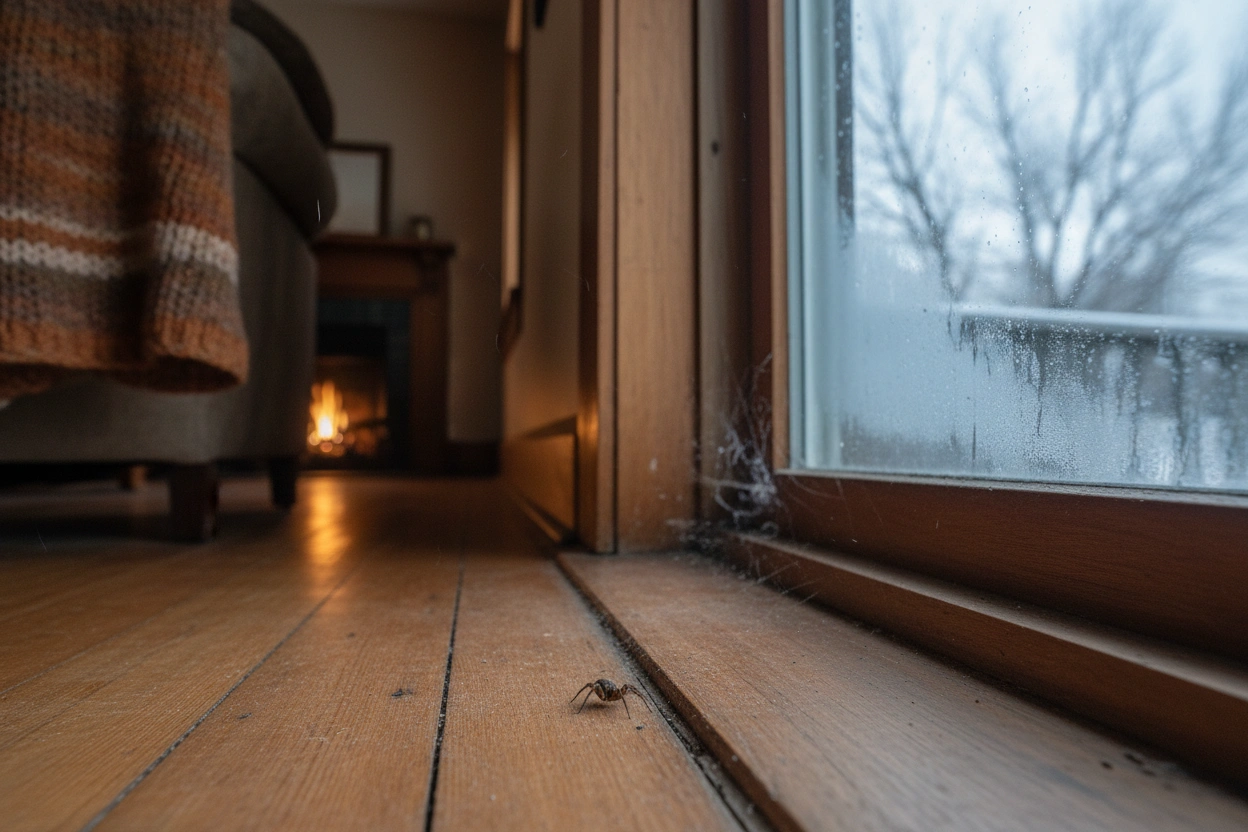
Preventing spiders from entering your home is more effective than dealing with them after they have arrived. There are several practical steps homeowners can take to create an inhospitable environment for spiders.
Prevention Tips for Keeping Spiders Out
-
Seal Entry Points: Inspect your home for cracks and gaps in windows, doors, and foundations. Use caulk or weather stripping to seal these openings.
-
Maintain Cleanliness: Regularly clean areas where spiders might hide, such as basements, attics, and garages. Reducing clutter can significantly decrease spider habitats.
-
Outdoor Management: Keep vegetation trimmed and away from the house. This reduces the likelihood of spiders finding their way indoors.
-
Lighting Adjustments: Since light attracts insects, which in turn attract spiders, consider using yellow outdoor lights or turning off unnecessary outdoor lighting at night.
By implementing these strategies, homeowners can significantly reduce the likelihood of spider invasions during the colder months.
Addressing Spider Infestations: Solutions and Tips
If you find yourself facing a spider infestation, it is essential to address the issue promptly to avoid a larger problem. There are several methods to effectively deal with spider populations indoors.
How to Deal with a Spider Infestation
-
Natural Remedies: Essential oils such as peppermint or tea tree oil can deter spiders. Mixing these oils with water and spraying them in areas where spiders are commonly seen can be effective.
-
Traps: Sticky traps can help capture spiders and monitor their populations.
-
Professional Pest Control: If the infestation is severe, or if you are uncomfortable handling the issue yourself, consider calling pest control services. Professionals can provide targeted treatments and long-term solutions.
When to Call Pest Control Services
It may be time to contact pest control if you notice:
-
A significant increase in spider sightings
-
Large webs or multiple egg sacs in your home
-
Difficulty in managing the population despite preventive measures
Pest control professionals have the expertise and resources to effectively manage spider infestations and help ensure your home remains spider-free.
When Colder Weather Pushes Spiders Indoors
As temperatures drop, spiders look for warmth, stable shelter, and reliable food sources. That is why you may start noticing webs in corners, basements, garages, and quiet areas of the home during winter. While most house spiders are harmless, increased sightings can signal that insects they feed on are also present. Sealing gaps, reducing clutter, and limiting indoor insect activity all help, but recurring spider issues often require a more thorough approach.
If spider activity is becoming more frequent or you want to prevent winter infestations before they grow, Pest Patrol can inspect your home and recommend a targeted treatment plan. Contact Pest Patrol for a free quote and take the next step toward keeping your living space comfortable and spider-free this season.