
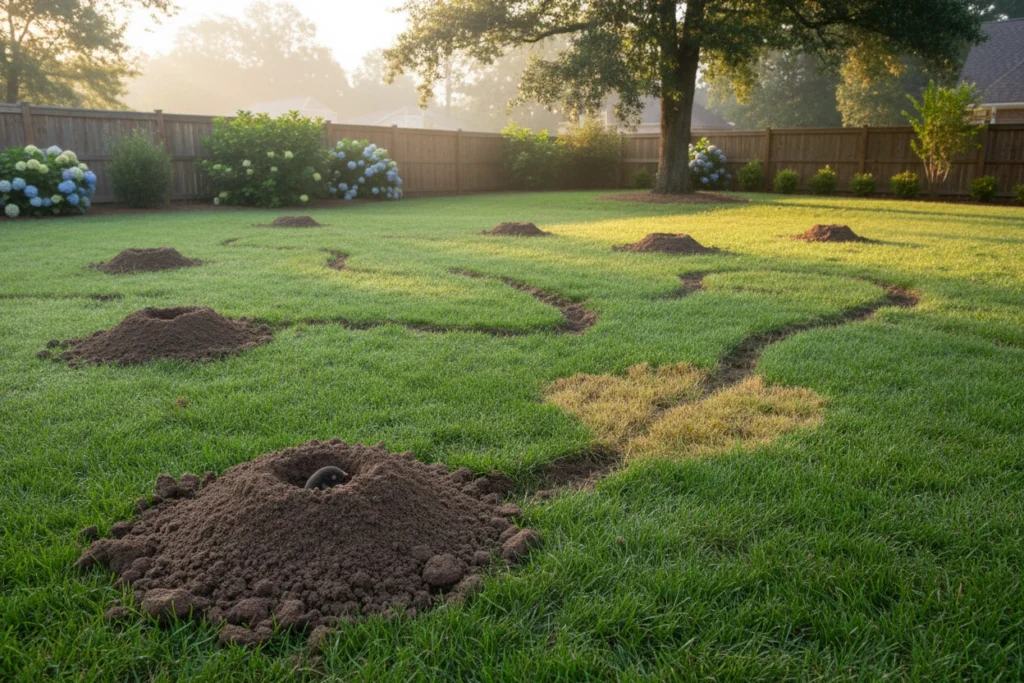
Have you noticed unusual changes in your yard that could indicate underground activity? Moles might be the culprits. These small, burrowing mammals can cause significant disruption to your landscape, often leading to unsightly damage and potential problems for your lawn and garden. This article explores the various signs of mole activity, the damage they can cause to your yard, and effective control methods to manage their presence.
Recognizing Signs of Mole Activity in Your Yard
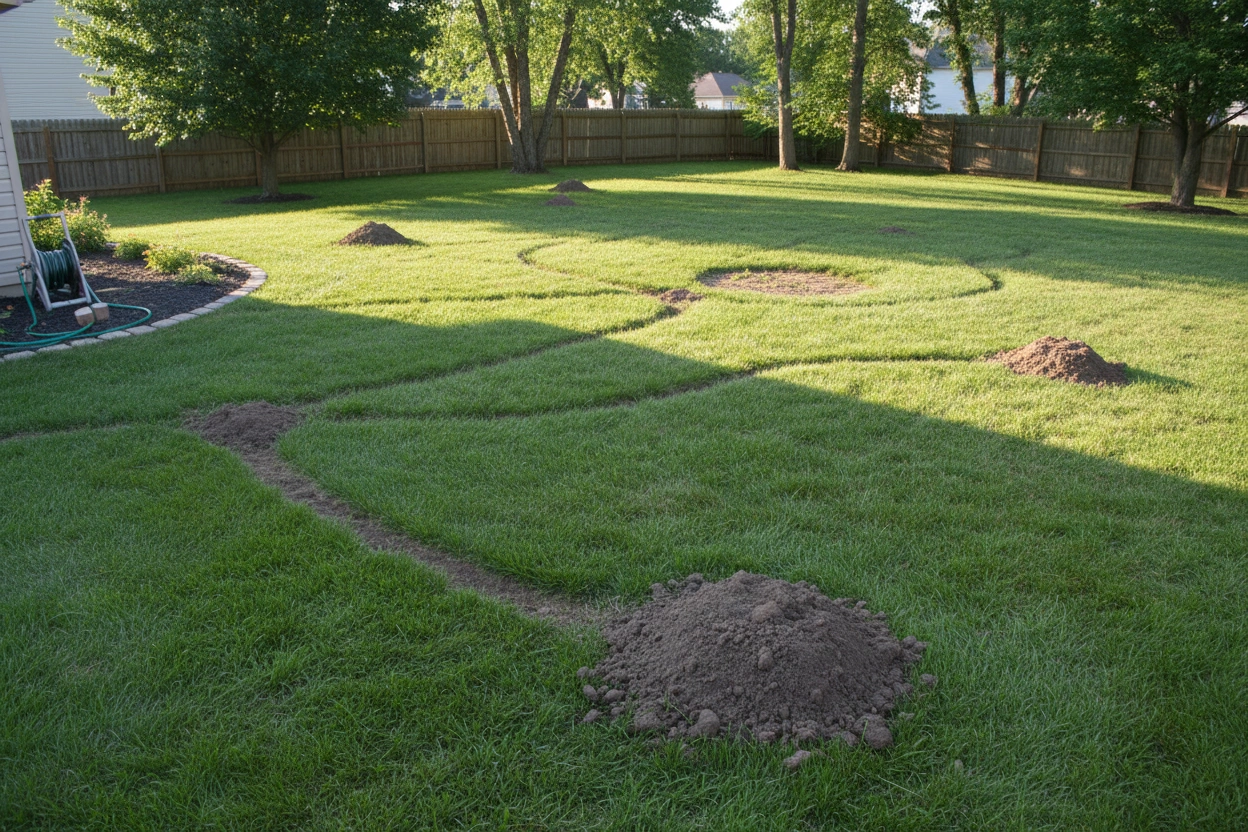
Identifying common signs of mole activity is essential for homeowners wanting to maintain a healthy yard. One of the most noticeable indicators is the presence of raised tunnels and soil mounds. Moles create these tunnels as they burrow through the ground in search of food, primarily earthworms and grubs. The mounds are typically circular and can be several inches high, often found in straight lines across your lawn.
Differentiating mole signs from those of other pests can be challenging. For instance, gophers and voles also create mounds, but their structures differ. Gopher mounds are usually more asymmetrical and contain a large hole at the center, while vole damage often appears as surface runways with flattened grass. Understanding these distinctions can help you accurately identify mole activity in your yard.
Understanding Underground Mole Tunnels and Their Impact
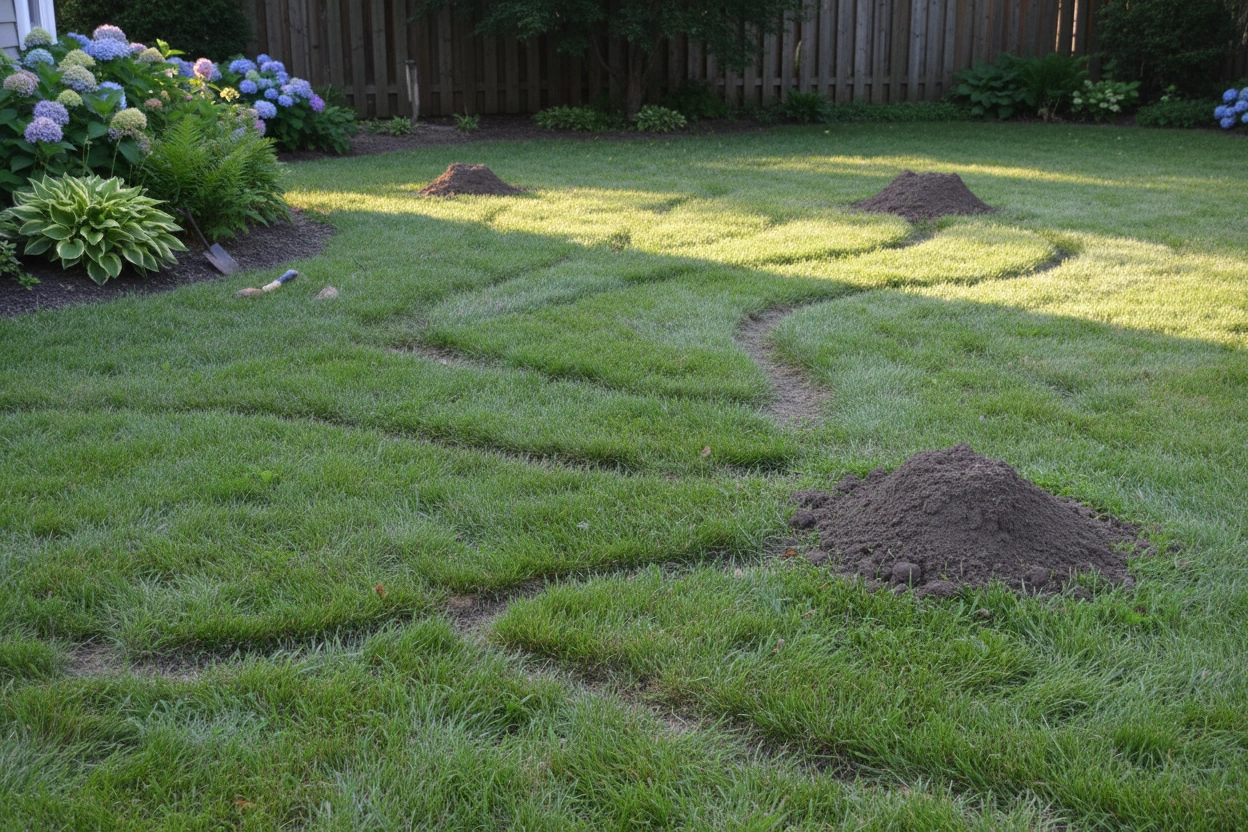
Mole tunnels are fascinating structures that serve as the primary habitat for these creatures. They are formed as moles dig through the soil, searching for food and creating a network of passages. These tunnels can be quite extensive, with some reaching lengths of over 200 feet in a single day. The digging process not only allows moles to access their prey but also aerates the soil, which can be beneficial for plant growth in the long term.
However, the impact of these tunnels can be detrimental to your yard. The soil disturbance from moles can lead to uneven surfaces, making it difficult to mow or walk on your lawn. Additionally, the compromised soil structure can result in poor drainage and may lead to water pooling in certain areas. Over time, this can cause significant damage to your grass and flower beds, requiring costly repairs and replanting.
Effective Mole Control Methods for Homeowners
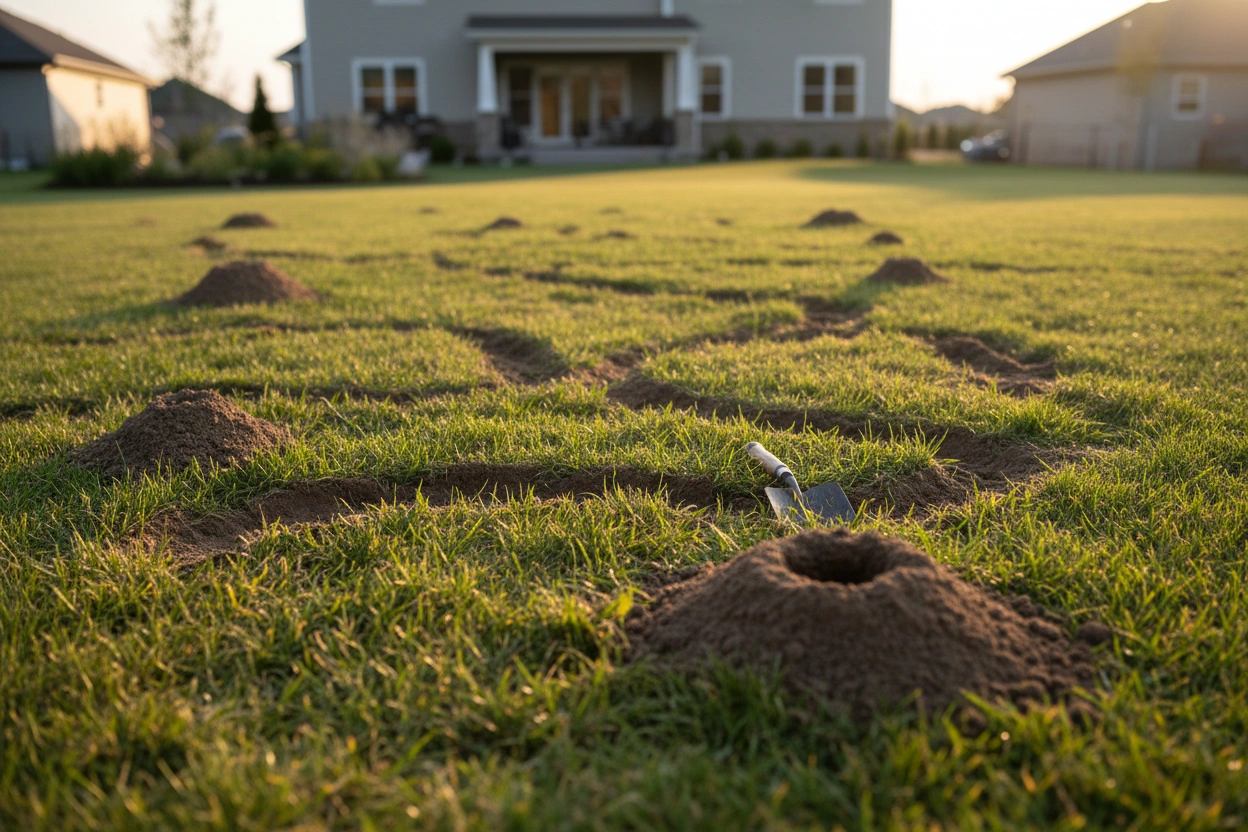
When it comes to managing moles in your yard, several effective control methods are available. Homeowners can choose from traps, repellents, and even professional extermination services. Trapping is often considered one of the most humane and effective options, as it allows for the removal of moles without causing unnecessary suffering. Various types of traps are designed specifically for moles, including scissor traps and harpoon traps, each with its own advantages.
It is essential to choose humane and effective options when dealing with mole populations. Chemical repellents can deter moles temporarily, but they may not provide a long-term solution and could harm beneficial soil organisms. Additionally, professional pest control services often employ integrated pest management strategies that focus on both removal and prevention, ensuring a comprehensive approach to mole control.
Proactive Mole Prevention Tips for a Healthy Yard
Preventing moles from entering your yard is a proactive approach that can save you time and effort in the long run. One of the most effective strategies is to maintain a healthy lawn. Moles are attracted to areas with abundant food sources, such as grubs and worms. Regular lawn care practices, including aeration, proper watering, and fertilization, can help reduce the presence of these food sources.
Another strategy involves creating physical barriers to deter moles from invading your property. Installing underground fences made of wire mesh or hardware cloth around the perimeter of your yard can effectively prevent moles from burrowing into your space. Additionally, planting certain types of plants, such as daffodils or marigolds, can help deter moles due to their natural repellent properties. By combining these strategies, homeowners can create a less inviting environment for moles.
When Your Lawn Starts Shifting Beneath the Surface
Raised ridges across the grass, soft spongy patches underfoot, and sudden mounds of soil are more than cosmetic issues. They are strong indicators of active mole tunnels below your yard. Left unchecked, these underground pathways can damage roots, disrupt irrigation lines, and leave your landscape uneven and unhealthy. Recognizing these changes early allows you to limit long term damage and restore your lawn before the problem expands.
If you are seeing signs of mole activity or want a professional assessment of your property, Pest Patrol can evaluate the extent of the tunneling and recommend a targeted control plan. Contact Pest Patrol for a free quote and take the next step toward protecting the health and appearance of your yard.