

As the leaves begin to change, so does the threat of pests in our homes. Many homeowners underestimate the significance of fall in pest prevention. During this transitional season, various pests seek shelter from the cooling temperatures, making it crucial for homeowners to take proactive measures. This article explores why fall is a crucial time for pest prevention and offers effective strategies to keep your home pest-free.
The Seasonal Shift: Why Fall Matters for Pest Control
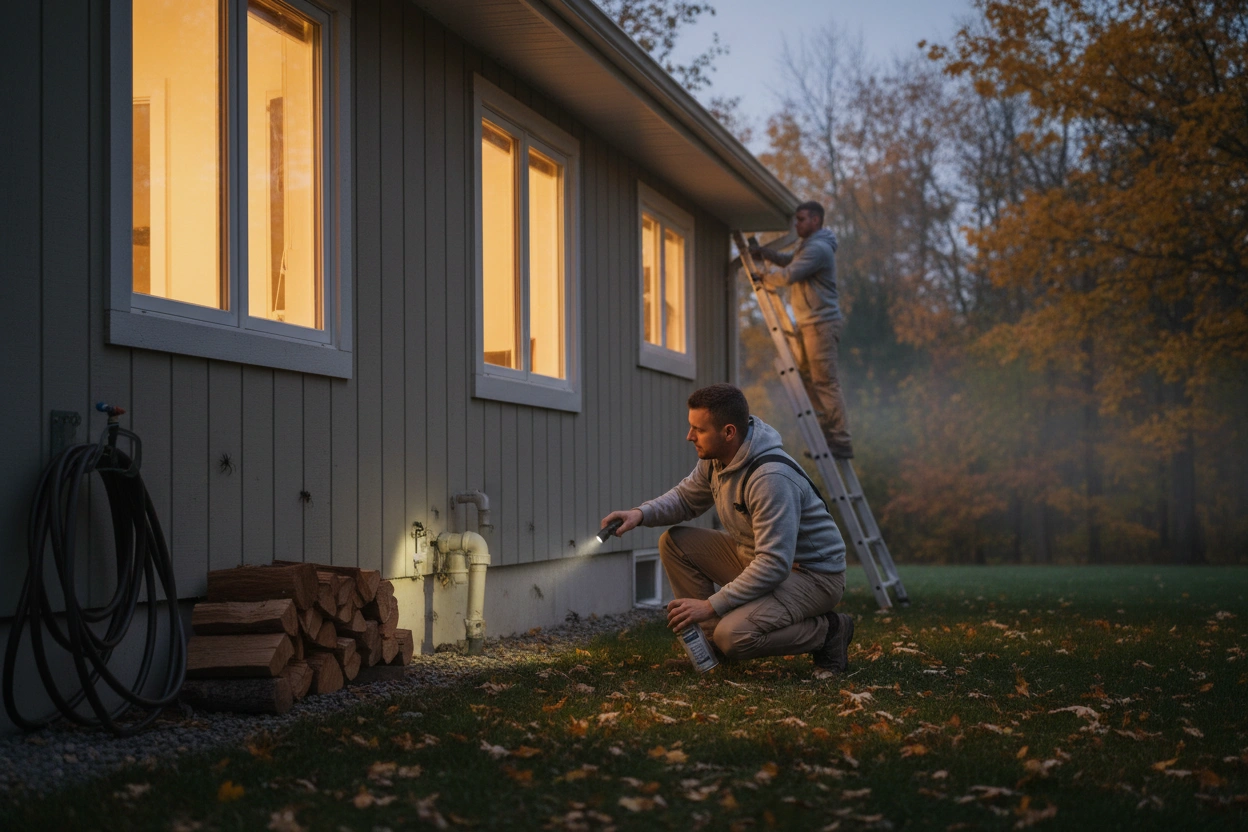
Understanding the seasonal shift in pest behavior is vital for effective pest prevention. As summer fades and fall approaches, various pests, including rodents, spiders, and insects, start looking for warm havens. This shift is primarily driven by changes in temperature and humidity, which significantly influence pest activity. For example, common fall pests such as mice and rats become more prevalent as they seek shelter and food sources, often finding their way into homes.
Moreover, the cooler temperatures trigger a change in the behavior of many insects. For instance, wasps and hornets, which are typically less aggressive in the fall, may become more desperate as their food sources dwindle. This desperation can lead to increased encounters with humans. The humidity levels also play a crucial role; damp environments attract pests like termites and cockroaches, which can find their way into your home as they search for moisture. Therefore, fall pest prevention is not just about addressing current infestations but also about anticipating the needs of these pests as they look for winter refuge.
Effective Pest Management Strategies for Autumn
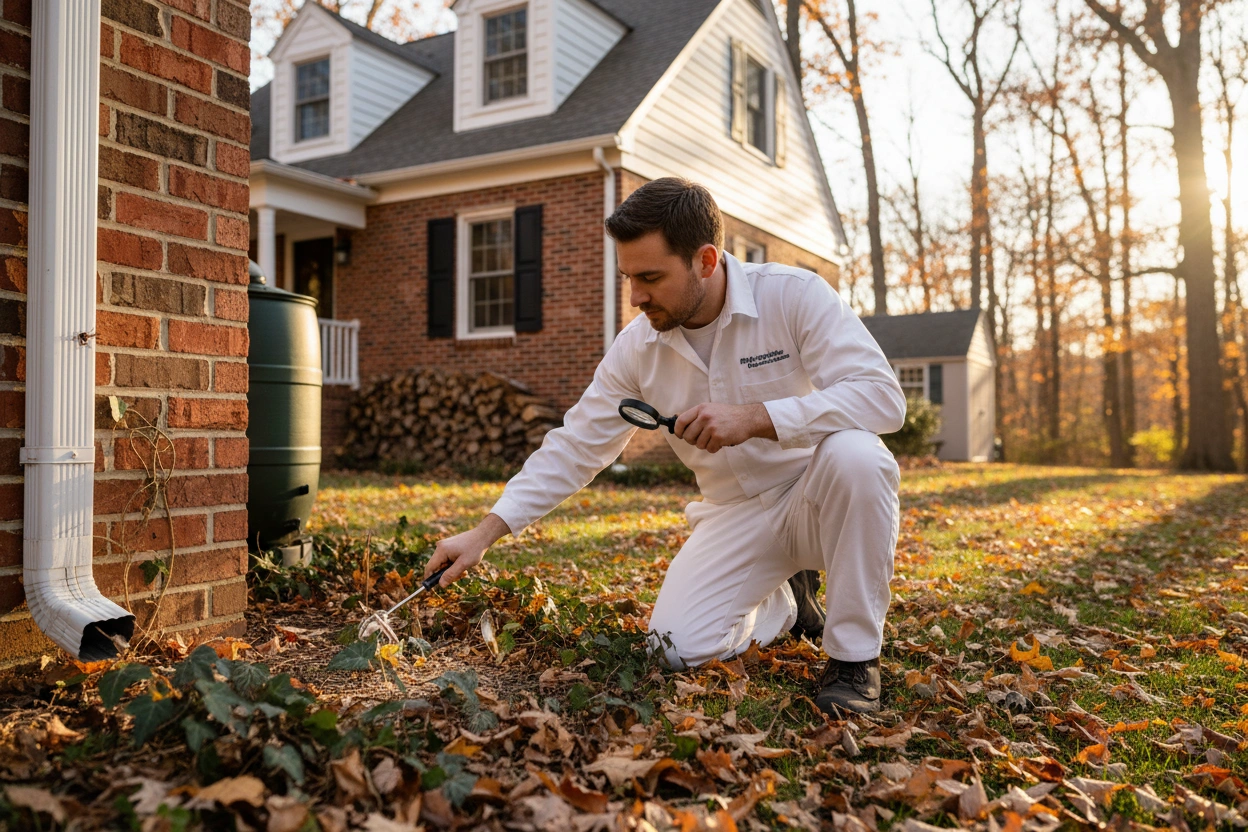
To deter pests effectively before they invade your home, implementing proven pest management strategies is essential. One of the best pest control methods involves sealing entry points. Inspect your home for gaps around windows, doors, and foundations. Use caulk or weatherstripping to seal these vulnerabilities, as even small openings can provide access for pests. Additionally, ensuring that screens on windows and doors are intact and free from tears can significantly reduce the likelihood of insects entering your home.
Another effective method is to maintain a clean environment. Regularly cleaning areas that are prone to pest attraction, such as kitchens and dining areas, can deter pests. Ensure that food is stored in airtight containers, and promptly clean up spills and crumbs. Furthermore, consider utilizing traps and bait stations strategically placed in areas where you suspect pest activity. Seasonal pest control is not just a one-time task; it should be part of your ongoing home maintenance routine to keep pests at bay throughout the fall and winter months.
Preparing Your Home for Winter: Pest Prevention Tips
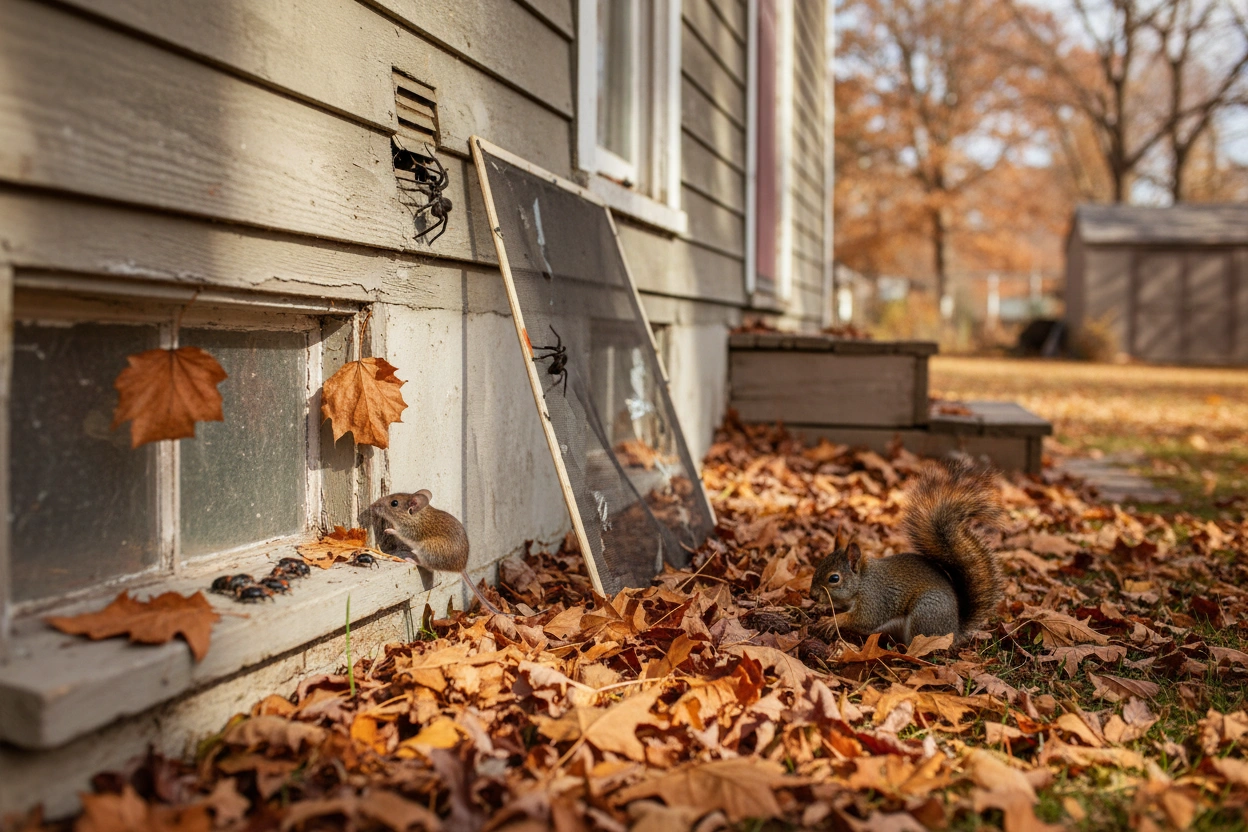
As winter approaches, taking key maintenance tasks to minimize pest entry points is crucial. Start by inspecting your home’s exterior for any cracks or holes. A thorough examination of the foundation, siding, and roof can reveal potential entry points for pests. Use steel wool to fill small holes and caulk larger gaps to ensure that pests cannot enter.
In addition to sealing entry points, make sure your gutters and downspouts are clear of debris. Clogged gutters can create moisture problems that attract pests. Regularly cleaning your gutters not only helps with pest prevention but also protects your home from water damage during winter storms. Additionally, consider trimming back trees and shrubs that are close to your home, as overhanging branches can provide easy access for pests.
Environmental Pest Control: a Sustainable Approach
In recent years, there has been a growing interest in eco-friendly pest management options. Environmental pest control focuses on using sustainable practices that minimize harm to the environment while effectively managing pests. Natural repellents, such as diatomaceous earth or essential oils like peppermint and tea tree oil, can deter various pests without the use of harsh chemicals.
The benefits of using natural repellents and traps extend beyond environmental considerations; they also promote a healthier living space. Traditional pest control methods can leave behind chemical residues that may be harmful to children and pets. By opting for eco-friendly solutions, homeowners can create a safe environment while still effectively managing pest issues. Furthermore, integrating these sustainable practices into your pest management strategy can lead to long-term benefits, reducing reliance on chemical treatments and fostering a healthier ecosystem.
Fall Is the Window to Prevent Winter Infestations
Autumn is when many pests begin searching for warmth, food, and shelter before colder temperatures arrive. Rodents look for entry points into attics and crawl spaces, insects seek protected wall voids, and small gaps around doors or foundations suddenly become high traffic access points. Taking preventive action during the fall reduces the likelihood of winter infestations and limits the damage and stress that come with reactive treatments later.
If you want to secure your home before seasonal pest pressure increases, Pest Patrol can evaluate vulnerable areas and recommend a customized prevention plan. Contact Pest Patrol for a free quote and put a proactive strategy in place that protects your home through fall and beyond.