
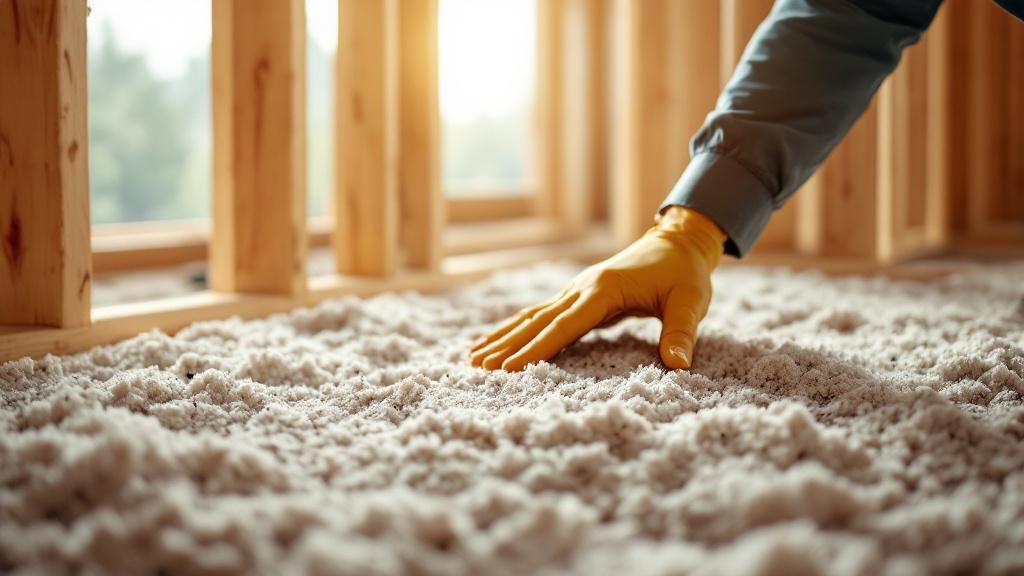
Key Takeaways
- Pest-resistant insulation offers dual benefits: energy efficiency and long-term pest deterrence.
- Common materials include borate-treated cellulose and foam-based options with repellent additives.
- Choosing the right insulation depends on home structure, regional climate, and pest behavior.
- DIY insulation installation can leave gaps that pests exploit, making professional help essential.
- Oregon homeowners benefit most from expert-guided insulation plans tailored to local pest pressures.
Insulation isn’t just about keeping your home warm in the winter or cool in the summer—it’s also an overlooked defense against pests. Rodents, insects, and other pests often exploit gaps in insulation, turning your attic or walls into a cozy hideout. For Oregon homeowners, pest-resistant insulation provides a practical way to address both energy and infestation concerns.
In this guide, we’ll compare common insulation materials through the lens of pest resistance, highlight strategies for effective use, and explain why professional pest control services are vital in ensuring long-term protection.
The Role of Insulation in Pest Control
Traditional insulation is primarily designed for thermal efficiency. However, certain materials and treatments also serve as a barrier to common household pests. This dual-purpose insulation can deter insects and rodents from entering and nesting within your home’s walls, attic, and crawl spaces.
Pest-resistant insulation includes features such as:
- Borate treatments that repel insects like ants, cockroaches, and termites
- Dense materials that deter rodents from chewing or burrowing
- Air-sealing properties that limit entry points
For Oregon homeowners dealing with moisture, wooded surroundings, or older home construction, these features can significantly reduce the chances of infestation.

Comparing Insulation Materials for Pest Resistance
Not all insulation types offer the same level of pest deterrence. Below is a breakdown of the most common options:
1. Fiberglass Insulation
- Pros: Cost-effective, widely available
- Cons: Pests like rodents and birds can easily nest in it
- Pest Resistance: Low—fiberglass does not repel pests
2. Cellulose Insulation (Borate-Treated)
- Pros: Environmentally friendly, highly effective against insects
- Cons: Can absorb moisture if not properly installed
- Pest Resistance: High—borate treatment deters insects and some rodents
3. Spray Foam Insulation
- Pros: Excellent air sealing and energy efficiency
- Cons: More expensive upfront; improper installation can trap moisture
- Pest Resistance: Moderate to high—dense structure and limited gaps discourage nesting
4. Mineral Wool (Rockwool)
- Pros: Fire-resistant, moisture-resistant, and dense
- Cons: Heavier and costlier than fiberglass
- Pest Resistance: Moderate—its density discourages nesting
Choosing the right insulation depends on your specific pest challenges and structural setup. A home in Portland’s suburbs might require different strategies than a farmhouse near forested land.
Practical Installation Tips for Enhanced Pest Resistance
Simply choosing pest-resistant insulation isn’t enough. Proper installation is key to ensuring that pests don’t find alternate ways inside. Here are several recommendations:
- Seal gaps and crevices around windows, pipes, and foundation
- Use copper mesh or metal flashing in vulnerable entry points
- Maintain roof and attic ventilation to prevent moisture buildup
- Inspect for existing infestations before installing new insulation
For optimal results, combine insulation with other Integrated Pest Management (IPM) methods, such as perimeter treatments and habitat modification.
Why Professional Installation Is Worth It
While DIY insulation may seem like a way to cut costs, it often leads to ineffective results. Here’s why trusting professionals is a better decision:
1. Comprehensive Assessment
Experts can identify hidden pest entry points and recommend specific insulation materials based on pest types and local climate.
2. Precise Installation
Professionals ensure there are no gaps or inconsistencies where pests could enter, significantly boosting the insulation’s effectiveness.
3. Access to Specialized Materials
Some pest-resistant insulation, such as high-density borate-treated options, may not be available in retail markets.
4. Warranty and Long-Term Support
Professional services often include warranties, follow-up inspections, and maintenance advice to ensure long-term results.
Pest Patrol, for example, offers pest-resistant insulation consultation as part of their broader residential pest management services—helping Oregon homeowners tackle issues before they become infestations.
Integrating Pest Control and Insulation in Home Design
Modern home construction is evolving to include pest prevention as a design priority. New builds and retrofits alike can benefit from integrating insulation choices with a comprehensive pest control plan.
Strategies include:
- Installing rodent barriers in crawl spaces before insulating
- Using metal flashing and hardware cloth along with foam insulation
- Adding pest-monitoring stations near insulation-rich areas
Some builders in Oregon even collaborate directly with pest control providers during planning stages, ensuring a seamless integration of materials and long-term home protection.
Long-Term Savings and Peace of Mind
While pest-resistant insulation may come with a higher upfront cost, the long-term savings in reduced pest control expenses and energy bills can make it a sound investment. Consider these advantages:
- Lower utility bills through better temperature regulation
- Fewer pest-related repairs (e.g., chewed wires, insulation replacement)
- Reduced need for pesticide use, improving indoor air quality
And most importantly, you’ll enjoy peace of mind knowing your home is less vulnerable to unexpected infestations.
Frequently Asked Questions
What’s the most pest-resistant type of insulation?
Borate-treated cellulose is widely considered the most effective against insects, while spray foam deters rodents due to its density.
Is pest-resistant insulation safe for my family?
Yes. Borate-treated insulation is safe when professionally installed and has low toxicity to humans and pets.
Will insulation alone keep pests out?
Not entirely. It should be part of a broader Integrated Pest Management strategy that includes sealing, trapping, and perimeter control.
How often should insulation be inspected?
Annually is ideal, especially before and after major weather changes that might invite pests indoors.
Can Pest Patrol help with insulation decisions?
Yes. Pest Patrol provides insulation consultations as part of their broader pest control services for Oregon homeowners.