

Have you ever wondered how mice manage to invade your home without leaving a trace? These small rodents are notorious for their ability to infiltrate spaces that seem impenetrable. Understanding how mice operate and their behavior can provide crucial insights into preventing infestations. This article will explore the various ways mice can gain access to your home without visible holes, highlighting their behavior and offering effective prevention tips.
Uncovering the Secrets of Mice Entry Points

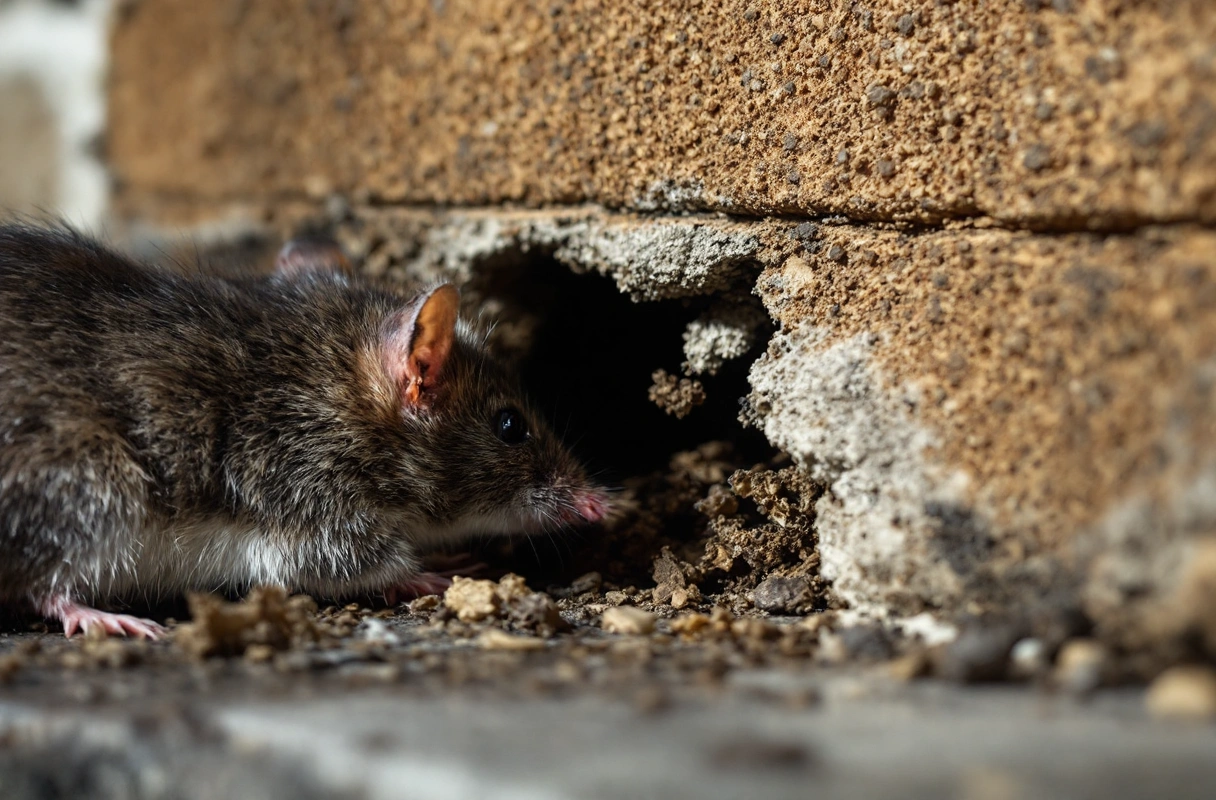
Mice are remarkably adept at finding their way into homes, often through openings that are invisible to the naked eye. One of the most surprising aspects of mice is their ability to squeeze through incredibly small openings. Research shows that a mouse can fit through a hole the size of a dime, which is approximately 1/4 inch in diameter. This anatomical feature allows them to exploit gaps that homeowners may overlook.
Common areas where mice enter homes without being noticed include:
-
Gaps around doors and windows
-
Cracks in the foundation or walls
-
Openings around utility lines and pipes
-
Vents and chimneys that lack proper screening
By understanding these entry points, homeowners can take proactive steps to seal potential access points and deter mice from entering their living spaces.
Common Misconceptions About Mouse Holes

A prevalent misconception is that all entry points for mice are visible or obvious. In reality, many access points are hidden or easily missed. While some homeowners may focus on patching up traditional holes, they often overlook smaller openings that can serve as gateways for these pests.
Understanding the difference between common mouse holes and potential access points is essential for effective pest control strategies. Common mouse holes are typically found in areas where mice frequently travel, such as:
-
Behind appliances
-
In attics or basements
-
Near food sources
Potential access points, however, may include:
-
Unsealed gaps in siding
-
Holes made by other pests
-
Areas where materials have decayed
By identifying these less obvious entry points, homeowners can better protect their properties from unwanted infestations.
Effective Pest Control Tips for Prevention
Proactive measures are crucial for deterring mice from entering your home. A comprehensive pest control strategy should involve regular home maintenance to prevent infestations. Here are some effective tips for preventing mice infestations:
-
Seal Entry Points: Use caulk or expanding foam to seal gaps and cracks around your home. Pay special attention to areas around doors, windows, and utility lines.
-
Maintain Cleanliness: Keep food stored in airtight containers and promptly clean up spills and crumbs. This will eliminate food sources that attract mice.
-
Trim Vegetation: Ensure that bushes and trees are trimmed away from your home to reduce shelter for mice and other rodents.
-
Inspect Regularly: Conduct regular inspections of your property, especially after severe weather, to identify any new potential access points.
By implementing these strategies, homeowners can significantly reduce the likelihood of a mouse infestation.
Understanding Mouse Traps Effectiveness
When it comes to managing existing mouse populations, understanding mouse traps’ effectiveness is essential. Choosing the right type of traps for your situation can make a significant difference in your pest control efforts. There are two primary types of mouse traps: snap traps and glue traps. Each has its pros and cons.
-
Snap Traps: These are traditional traps that kill mice instantly. They are generally considered the most humane option when used correctly and can be reused.
-
Glue Traps: While these traps can capture mice effectively, they do not kill them immediately, which can lead to prolonged suffering. They are best used in areas where mice are known to travel.
Strategic placement of traps is also critical for maximum effectiveness. Here are some tips for trap placement:
-
Position traps along walls and in areas where you have noticed mouse activity.
-
Avoid placing traps in open areas where mice may feel vulnerable.
-
Use multiple traps in high-traffic areas for improved capture rates.
By understanding the types of traps available and their proper placement, homeowners can effectively manage and reduce mouse populations.
The Intersection of Mice Entry Points and Effective Prevention
Understanding how mice get into homes without visible holes is crucial for developing effective pest control strategies. By recognizing the various entry points, addressing common misconceptions, and implementing proactive measures, homeowners can significantly reduce the risk of infestations. Pest Patrol is here to help you apply these insights and protect your home from unwanted guests.
With our expertise in rodent control and prevention, we can assist you in identifying hidden access points and sealing them effectively. If you’re dealing with a mouse problem or want to prevent one from occurring, don’t hesitate to reach out.