
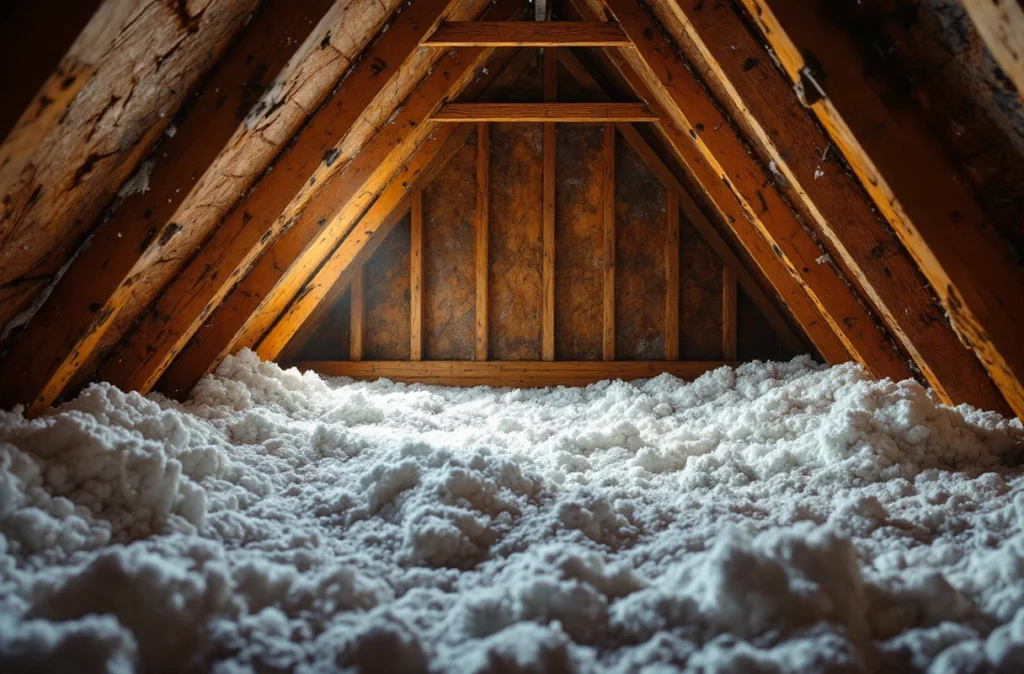
Is your attic insulation a hidden haven for pests? Discover how old insulation can attract unwanted guests. Aging insulation not only loses its thermal efficiency but can also become a breeding ground for various pests, leading to significant problems for homeowners. This article explores the connection between old attic insulation and pest infestations, detailing common issues, inspection methods, and prevention strategies to help you maintain a pest-free environment.
The Hidden Risks of Aging Attic Insulation

Old insulation presents several risks that can lead to pest infestations. Over time, insulation materials degrade, creating voids and gaps that pests can exploit. For instance, fiberglass insulation can become compacted or damaged, allowing rodents and insects to burrow into the material. Additionally, insulation that has absorbed moisture becomes a prime target for mold growth, which can attract pests like termites and other wood-destroying organisms.
Moreover, the organic materials found in certain types of insulation, such as cellulose, can provide a food source for pests. These materials can become a magnet for insects like cockroaches and ants, which thrive in environments where they can find both shelter and sustenance. Therefore, understanding the old insulation issues is crucial for maintaining a pest-free attic space and ensuring the longevity of your home’s structural integrity.
Common Pests Found in Attics and Their Attraction to Insulation
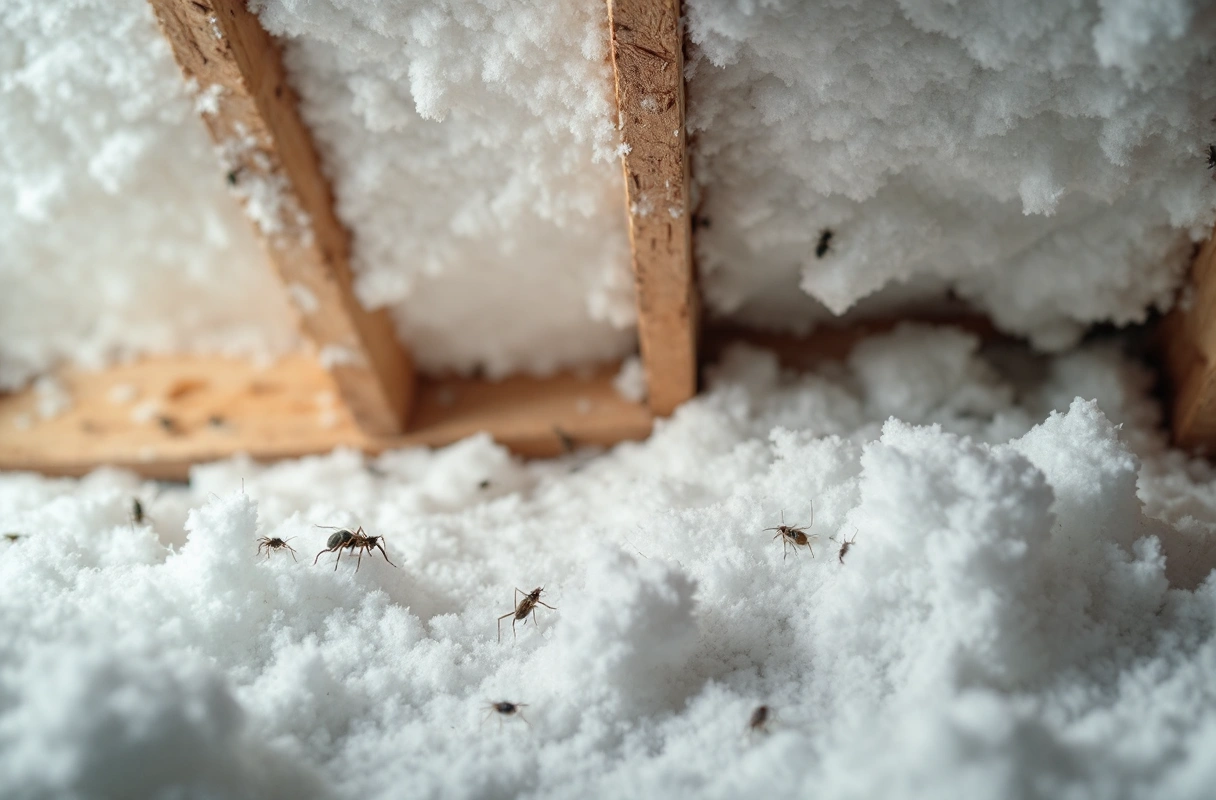
Various pests are commonly found in attics, and each has specific attractions to insulation. Rodents, such as mice and rats, are notorious for nesting in insulation due to its warmth and accessibility. They can easily chew through insulation materials, creating pathways for other pests to enter.
In addition to rodents, insects like termites, carpenter ants, and even wasps can also be drawn to attic spaces. Termites are particularly attracted to cellulose insulation, as it serves as a food source. Carpenter ants prefer damp, decaying wood, which can often be found in older attics where insulation has deteriorated. Understanding the insulation pest attraction dynamics is essential for homeowners to take proactive measures against infestations.
Effective Pest Control Strategies for Your Attic
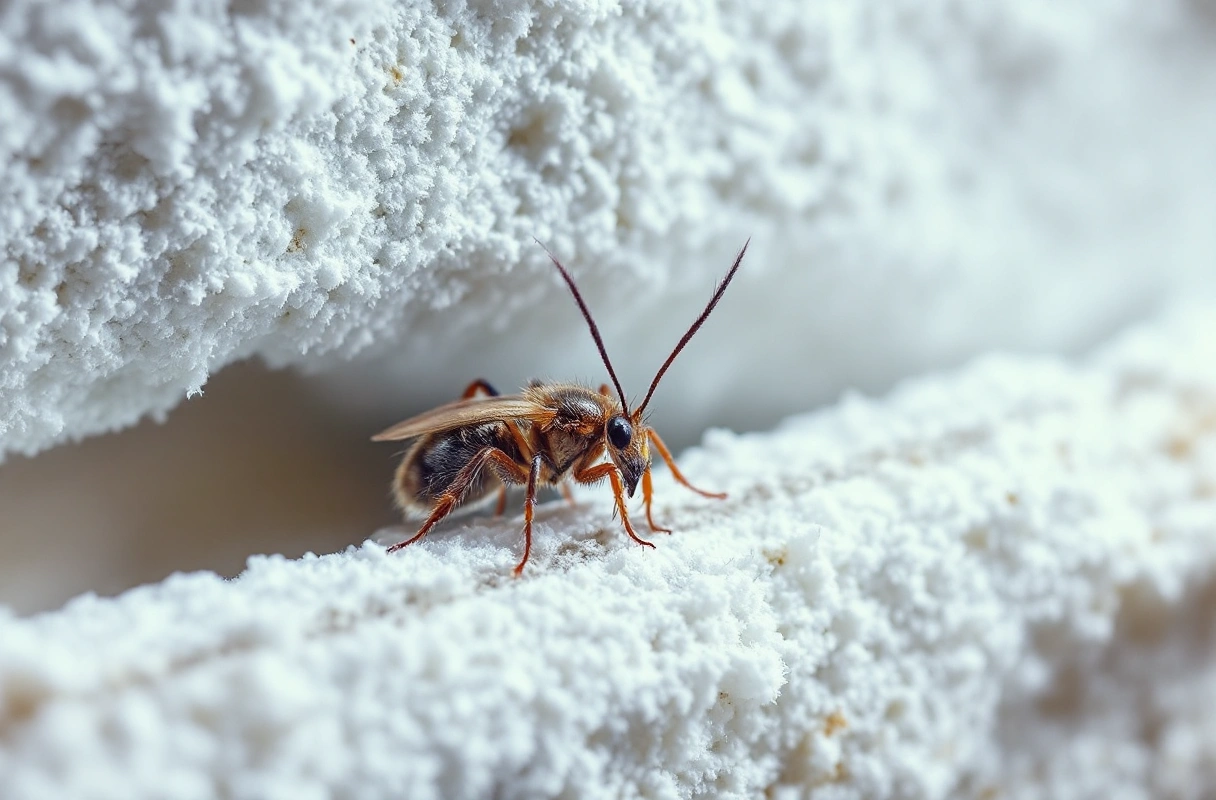
Implementing effective pest control strategies is vital for maintaining a pest-free attic. Proactive pest management includes regular inspections and maintenance of insulation and surrounding areas. Homeowners should consider sealing gaps and cracks in the attic, as these serve as entry points for pests.
When it comes to pest control, homeowners can choose between professional services and DIY methods can be effective for minor infestations but may require ongoing effort and vigilance. Ultimately, preventing pests in insulation requires a combination of proper maintenance, timely inspections, and, when necessary, professional intervention.
How to Inspect Your Attic Insulation Like a Pro
Inspecting attic insulation is crucial for identifying potential pest problems before they escalate. Begin your inspection by ensuring safety precautions are in place, such as wearing protective gear and ensuring adequate lighting.
Follow these steps for a thorough inspection:
-
Assess the insulation type: Identify whether you have fiberglass, cellulose, or foam insulation, as this will determine what issues to look for.
-
Check for moisture: Look for signs of water damage, such as discoloration or dampness, which can attract pests.
-
Look for pest droppings or nests: Inspect for signs of rodents or insects, including droppings, gnaw marks, or nests made from insulation materials.
-
Inspect for damage: Examine the insulation for any signs of wear or damage, such as compaction or holes.
-
Evaluate ventilation: Ensure the attic is properly ventilated to prevent moisture buildup, which can lead to pest attraction.
By knowing how to inspect attic insulation effectively, homeowners can take proactive measures to address potential pest issues before they become a larger concern.
The Link Between Attic Insulation and Pest Management
Understanding the relationship between old attic insulation and pest attraction is vital for maintaining a safe and healthy home environment. The risks associated with aging insulation, the types of pests that thrive in attics, and effective inspection methods all play a crucial role in pest prevention. With the right strategies, homeowners can ensure their attics remain free from unwanted guests.
If you suspect that your old attic insulation may be attracting pests, don’t hesitate to reach out.