

Have you ever wondered why ants keep invading your space even after using sprays? This persistent problem can be frustrating, especially when traditional methods seem ineffective. Understanding the underlying reasons for ant behavior and exploring natural remedies can provide a more sustainable solution to your ant problems. In this article, we will explore effective natural remedies for ant control, especially when traditional sprays fall short.
Understanding Ant Behavior Patterns for Effective Control
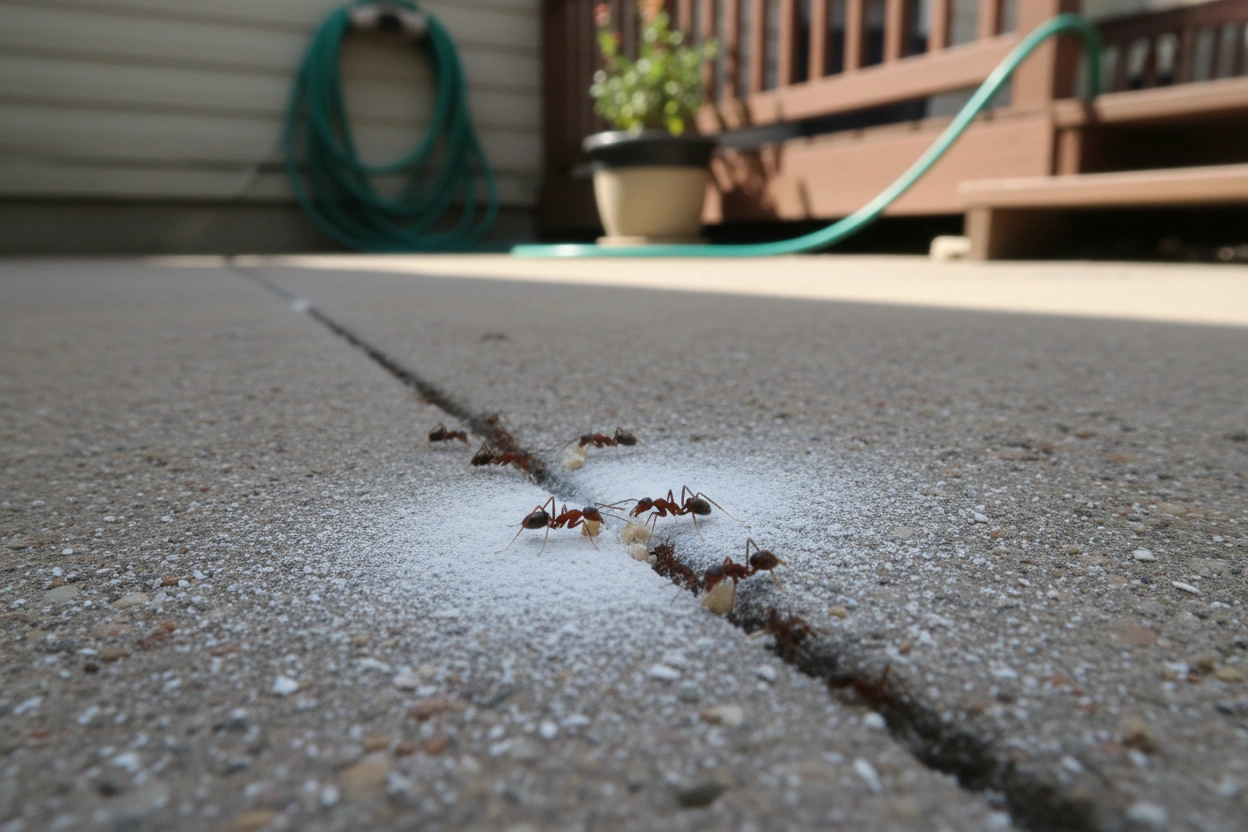
Ants are social insects that live in colonies, which can range from a few dozen to millions of individuals. Each colony has a complex structure with different roles, including workers, soldiers, and reproductive ants. Understanding ant behavior patterns is crucial for effective control because it allows homeowners to tailor their strategies to specific ant species and their habits.
Identifying the type of ant invading your home can significantly influence your control methods. For example, carpenter ants are attracted to wood and may require different management techniques compared to sugar ants, which are drawn to food sources. Knowing their foraging behavior, nesting preferences, and seasonal activity can help you anticipate their movements and implement targeted pest management solutions.
-
Ant colonies often establish pheromone trails that guide other ants to food sources, making it essential to eliminate these trails to disrupt their foraging behavior.
-
Seasonal ant activity patterns indicate that ants are more likely to invade homes during warmer months when they seek food and shelter.
Understanding these patterns will enable you to choose the right natural remedies and preventive measures to keep ants at bay.
Why Chemical Sprays May Not Work Long-term
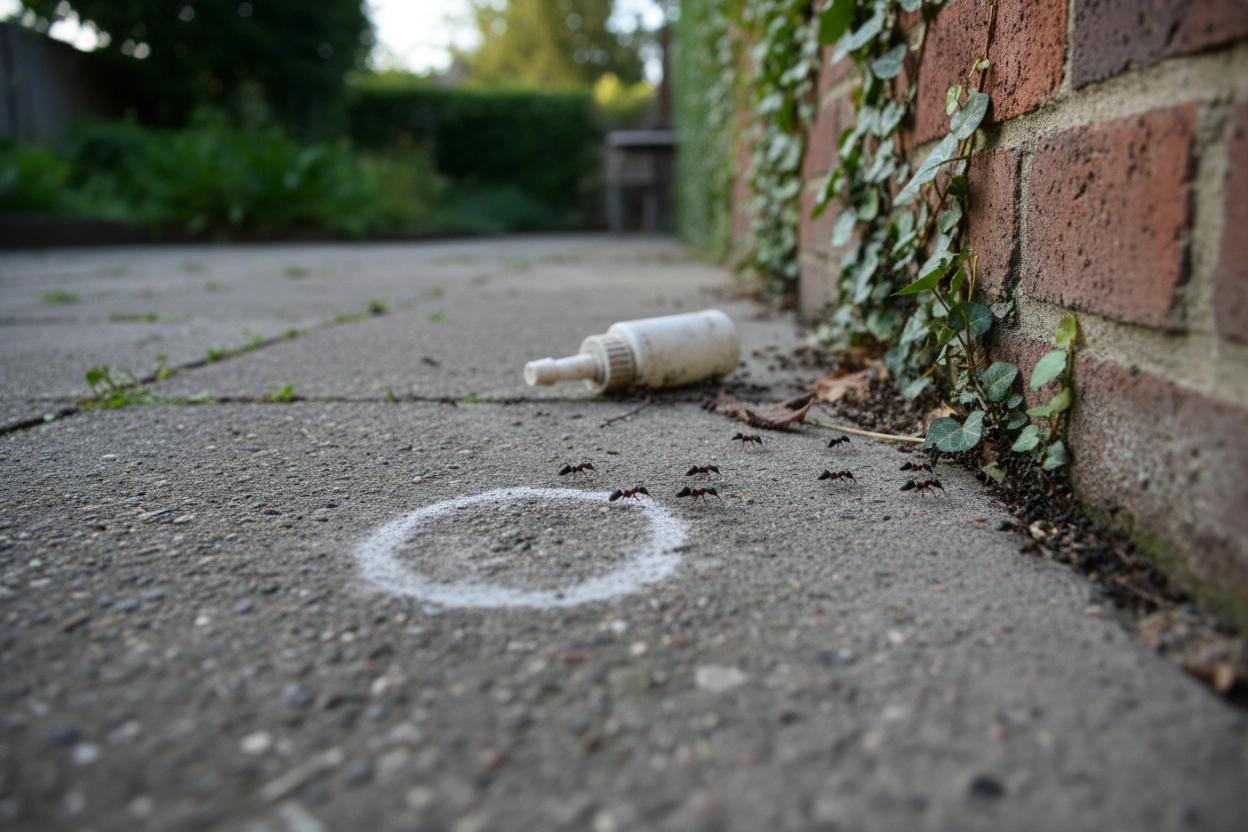
Chemical sprays are a common go-to solution for ant control, but their long-term effectiveness can be questionable. One of the primary reasons is that ants can develop resistance to insecticides over time. This resistance occurs when ants that survive the initial exposure pass on their genes to future generations, leading to a population that is increasingly difficult to control with the same chemicals.
Moreover, sprays often fail to eliminate the entire colony. Most insecticides only target the ants that come into direct contact with the spray, leaving the queen and other hidden members of the colony unharmed. This incomplete eradication can lead to the quick resurgence of ant populations, prompting homeowners to repeatedly resort to spraying.
-
In many cases, a single treatment is not enough to tackle the entire colony, especially if the nest is located in hard-to-reach areas.
-
The effectiveness of chemical sprays diminishes if not applied correctly, such as failing to cover areas where ants are known to travel or nest.
Understanding these limitations emphasizes the need for a more comprehensive approach to ant control, including the use of natural remedies and ongoing preventive measures.
Natural Ant Repellents and Their Effectiveness
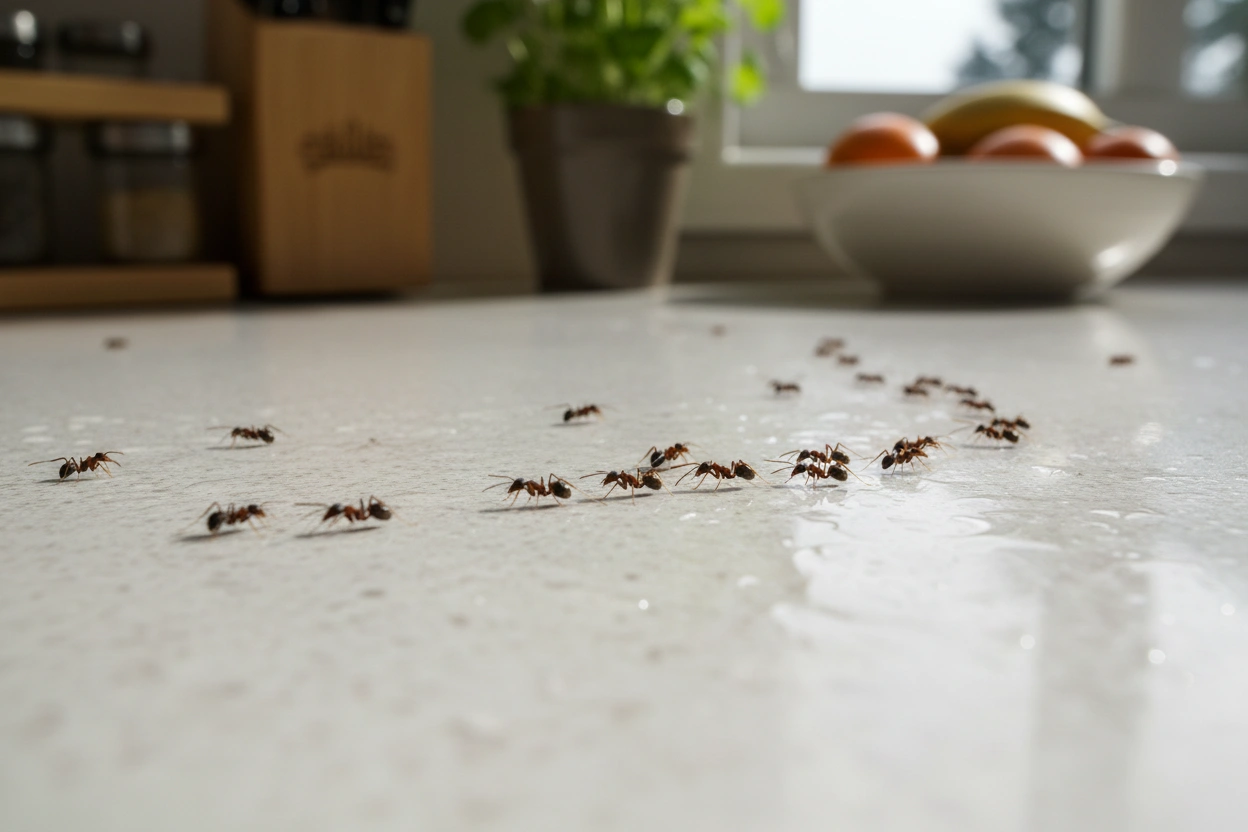
Natural ant repellents have gained popularity as effective alternatives to chemical sprays. These remedies leverage common household ingredients that are not only safe for humans and pets but also disrupt the ants’ sensory mechanisms. Some of the most effective natural ant repellents include:
-
Vinegar: A mixture of equal parts vinegar and water can disrupt the pheromone trails ants leave behind, making it harder for them to navigate.
-
Essential oils: Oils such as peppermint, tea tree, and citrus have strong scents that repel ants. Mixing a few drops with water and spraying it in areas where ants are active can deter them effectively.
-
Diatomaceous earth: This natural powder is safe for humans and pets but lethal to ants, as it dehydrates them when they come into contact with it.
The benefits of using natural repellents over chemicals include reduced toxicity and environmental impact, lower health risks for children and pets, and often lower costs. However, while these remedies can be effective, it’s essential to apply them consistently and in combination with other pest management strategies for optimal results.
Preventing Ant Infestations Before They Start
Preventing ant infestations is more effective than trying to control them after they have established a presence in your home. Implementing proactive pest management solutions can save time and frustration. Here are some effective strategies to keep ants at bay:
-
Seal entry points: Inspect your home for cracks and gaps around windows, doors, and foundations. Sealing these openings can prevent ants from entering.
-
Maintain cleanliness: Ants are attracted to food and moisture, so keeping your kitchen and dining areas clean is crucial. Wipe down surfaces, store food in airtight containers, and promptly clean up spills.
-
Yard maintenance: Trim back vegetation and keep firewood stored away from the house. This reduces the likelihood of ants finding a pathway to your home.
Seasonal strategies can also enhance your prevention efforts. For example, during spring, inspect your property for potential nesting sites and remove debris that may harbor ants. During fall, check for any signs of ant activity as they prepare to seek shelter indoors.
When to Consider Professional Extermination Services
While DIY methods can be effective, there are times when professional extermination services become necessary. Signs that your ant control efforts are insufficient may include:
-
Persistent ant activity despite using natural remedies and sprays.
-
The presence of multiple ant species in your home, which can indicate a larger infestation.
-
Difficulty locating the nest or the source of the infestation.
Hiring pest control experts offers several benefits. Professionals have access to advanced tools and techniques that can effectively eliminate entire colonies and provide tailored solutions based on the specific ant species invading your home. Additionally, they can offer ongoing preventive measures to ensure that ants do not return.
Addressing the Question: Why Do Ants Keep Coming Back Even After I Spray?
Ants can be a persistent nuisance, often returning even after repeated spraying. This phenomenon can be attributed to several factors, including the development of insecticide resistance and the survival of the colony’s queen. While sprays may provide temporary relief, they often fail to address the root cause of the infestation.
If you’re struggling with persistent ant problems, Pest Patrol is here to help. Our team of experts can assess your situation and provide tailored solutions that address both immediate needs and long-term prevention. Don’t let ants take over your space; contact Pest Patrol today to regain control of your home.