
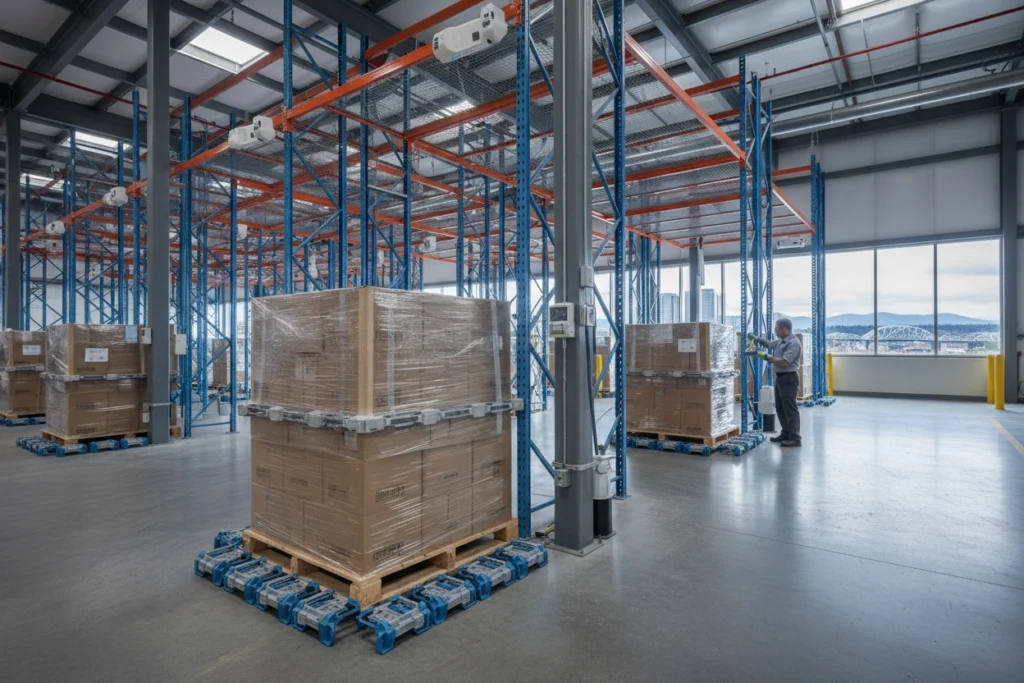
Portland’s mild, wet climate gives rodents and insects year-round conditions to thrive inside your warehouse. Norway rats, roof rats, house mice, cockroaches, and stored product beetles can contaminate inventory, gnaw through packaging, and compromise structural integrity before you spot the damage. You’ll need consistent inspections, sealed entry points, and a professional Integrated Pest Management plan to stay ahead of infestations. Keep going to understand exactly what’s at risk and how to protect it.
Key Takeaways
-
Portland’s mild, wet climate creates year-round pest pressure, making continuous warehouse monitoring essential for protecting inventory from rodents and insects.
-
Norway rats, roof rats, and house mice damage packaging and contaminate goods, requiring targeted identification and species-specific control strategies.
-
Loading dock gaps, foundation cracks, and unsealed utility penetrations are common entry points that regular inspections can detect and address.
-
Integrated Pest Management combines monitoring, targeted treatments, and preventative measures to sustainably protect warehouse inventory from recurring infestations.
-
Choosing a certified pest control company with documented warehouse experience ensures compliance with food safety standards and proactive infestation prevention.
Why Portland Warehouses Struggle With Pests Year-Round

Portland’s mild, wet climate creates near-ideal overwintering conditions for pests, and warehouses amplify that problem considerably.
Unlike residential structures, warehouses feature high-volume entry points, irregular inspection schedules, and dense inventory stacking that conceals harborage sites. These structural realities compound climate impact by giving rodents, cockroaches, and insects consistent shelter regardless of outdoor conditions.
Seasonal challenges shift the pest pressure but never eliminate it.
Winter drives rodents indoors seeking warmth. Spring triggers ant and spider activity. Summer accelerates insect reproduction. Fall sends wildlife and insects searching for overwintering sites.
Your facility faces a rotating cycle of threats that demands year-round vigilance rather than reactive treatment. Implementing Integrated Pest Management (IPM) ensures a proactive approach to mitigate these challenges effectively.
Understanding this pattern is the first step toward building a pest management strategy that protects your inventory, your reputation, and your operational continuity.
The Rodents and Insects Most Likely to Damage Your Inventory
When it comes to inventory damage, you’re most likely dealing with Norway rats, house mice, German cockroaches, and stored product beetles.
Rodents gnaw through packaging, contaminate goods with urine and droppings, and compromise structural materials like insulation and wiring. Additionally, implementing simple methods to seal entry points and maintain cleanliness can significantly reduce the risk of infestations.
Insects like weevils, moths, and cockroaches target dry goods, cardboard, and organic materials, often going undetected until the infestation has already caused significant product loss.
Common Warehouse Rodents
Rodents and insects are the two primary threats to warehouse inventory in Portland, and knowing which species you’re dealing with determines how you treat the problem.
The most common warehouse rodent types in Portland facilities are Norway rats, roof rats, and house mice. Norway rats burrow along foundations and favor ground-level storage. Roof rats climb shelving, rafters, and wall voids, targeting elevated stock. House mice infiltrate through gaps as small as a quarter inch and contaminate product through urine, droppings, and gnawing.
Understanding rodent behavior patterns is critical. All three species follow established travel routes, breed rapidly, and are most active at night.
Identifying droppings, gnaw marks, and runways tells you which species is present and where to concentrate control efforts.
Destructive Insect Invaders
While rodents get the most attention, insects cause significant and often overlooked damage to warehouse inventory. Using pest identification techniques early helps you contain infestations before losses escalate.
Portland’s climate makes warehouses especially vulnerable to these four destructive insect invaders:
-
Cockroaches – Contaminate food products and packaging with pathogens and waste.
-
Stored product beetles – Bore into grain, flour, and dry goods, rendering inventory unsellable.
-
Carpenter ants – Structurally compromise wooden shelving, pallets, and framing.
-
Silverfish – Destroy paper, cardboard, and fabric-based inventory through constant feeding.
Implementing preventive measures—including sealed storage containers, routine inspections, and moisture control—reduces your exposure to these threats.
Identifying the specific species present allows you to deploy targeted treatments rather than broad-spectrum solutions that waste time and resources.
Inventory Damage Risks
A single pest breach in your warehouse can cascade into thousands of dollars in damaged inventory, regulatory violations, and lost client contracts.
Rodents gnaw through packaging, contaminate product with urine and feces, and compromise structural components.
Beetles, moths, and weevils infiltrate dry goods, textiles, and stored materials, often going undetected until infestation levels are significant.
Your inventory protection strategies must account for multiple entry vectors—loading docks, utility penetrations, roofline gaps, and drainage systems.
Each represents a potential breach point requiring systematic monitoring.
Effective pest prevention techniques combine exclusion, sanitation protocols, and routine inspection schedules tailored to your specific commodity type and facility layout.
Identifying which pests pose the highest risk to your stored inventory is the foundation of any credible warehouse pest management program.
How Pests Get Into Commercial Warehouses in the First Place
Understanding how pests enter warehouses is the first step toward keeping them out. Structural vulnerabilities and overlooked entry points create consistent access for rodents and insects year-round.
Common ways pests infiltrate your facility:
-
Loading dock gaps — Damaged dock seals and open bay doors create direct entry points during deliveries.
-
Foundation cracks — Even small structural vulnerabilities in concrete allow rodents and insects inside.
-
Utility penetrations — Pipes, conduits, and drainage lines without proper sealing invite entry.
-
Incoming shipments — Pests hitchhike inside pallets, packaging materials, and delivered inventory.
Identifying these access points early lets you address problems before infestations establish. Regular inspections(#) of your building’s exterior and receiving areas are essential to maintaining control, as they can help detect vulnerabilities before they become significant issues.
What a Professional Warehouse Pest Control Plan Actually Covers
When you bring in a professional pest control provider for your warehouse, the process starts with a thorough inspection that identifies active infestations, entry points, harborage zones, and conditions that attract pests.
From there, your provider installs ongoing monitoring systems—snap traps, glue boards, pheromone traps, or rodent bait stations—positioned strategically throughout the facility to detect activity early.
Targeted treatment protocols are then applied based on the specific pests and risk areas identified, ensuring treatments are precise, compliant with food safety or regulatory standards, and minimally disruptive to your operations. Additionally, implementing Integrated Pest Management (IPM) not only addresses current issues but also helps prevent future infestations through sustainable practices.
Initial Inspection and Assessment
Every professional warehouse pest control plan starts with a thorough initial inspection—and this step sets the foundation for everything that follows. A trained technician walks your facility using a structured inspection checklist to document conditions that drive pest behavior and entry.
The assessment covers four critical areas:
-
Entry points – gaps in loading dock seals, foundation cracks, roof vents, and utility penetrations
-
Harborage zones – shelving units, stored inventory pallets, wall voids, and drainage areas
-
Moisture sources – leaking pipes, condensation zones, and standing water
-
Evidence of activity – droppings, gnaw marks, nesting material, and insect casings
Your technician uses findings from this inspection to build a targeted treatment strategy specific to your facility’s layout, inventory type, and operational schedule.
Ongoing Monitoring Systems
After the inspection documents your facility’s risk profile, the next layer of protection is continuous monitoring—because pest pressure doesn’t stop between service visits. Your technician installs a network of mechanical traps, glue boards, and bait stations at identified entry points, harborage zones, and high-traffic corridors throughout your warehouse.
Increasingly, professional plans incorporate automated monitoring technology—sensor-equipped devices that log pest detection activity in real time and transmit data without requiring a physical check. This lets your pest control provider identify pressure spikes between scheduled visits and respond before populations establish.
Monitoring placements follow a documented grid system, so every device has a logged location, inspection history, and catch record. That data builds a trend profile specific to your facility, making each subsequent service decision more precise and defensible.
Targeted Treatment Protocols
Monitoring data and inspection findings feed directly into a treatment plan built around your facility’s specific pest pressures—not a generic spray schedule.
Integrated pest management drives every decision, combining preventive measures with targeted interventions to minimize chemical use while maximizing control.
A professional warehouse treatment plan typically addresses:
-
Rodent baiting and trapping positioned along active travel routes identified during inspection.
-
Crack and crevice treatments targeting insect harborage zones near loading docks, utility penetrations, and shelving.
-
Exterior perimeter barriers preventing new pest entry at foundation lines and door thresholds.
-
Pheromone and glue monitors capturing activity data between scheduled service visits.
Each protocol gets adjusted as conditions change, keeping your inventory protected year-round without disrupting warehouse operations.
Protect Your Inventory Before Pests Become a Costly Problem
Pests don’t wait for a convenient time to infiltrate your warehouse, and by the time you notice visible signs of activity, they’ve likely already compromised stored goods, packaging, or structural materials.
Implementing preventative measures early reduces exposure risk and limits the financial impact on your operation.
Integrating pest control into your inventory management protocols—scheduling routine inspections, maintaining proper stock rotation, and enforcing sanitation standards—creates compounding layers of protection.
Pest Patrol delivers structured, proactive service plans designed specifically for Portland-area warehouse environments, addressing entry points, harborage zones, and conducive conditions before infestations establish.
Don’t absorb the cost of product loss, regulatory violations, or emergency treatments when consistent prevention is the more efficient path.
Regular pest control inspections can help identify potential threats before they escalate into major problems.
Contact Pest Patrol to schedule a commercial assessment today.
How to Choose a Warehouse Pest Control Company in Portland
Selecting the right warehouse pest control company in Portland requires evaluating several operational and technical factors before signing a service agreement.
You’ll want a provider that understands commercial-scale infestations and can deliver consistent, documented results.
Prioritize these four criteria:
-
Pest control certifications – Confirm all technicians hold valid Oregon Department of Agriculture licenses.
-
Service contract options – Review recurring treatment schedules, cancellation terms, and scope of coverage.
-
Commercial experience – Verify documented experience in warehouse and industrial environments specifically.
-
Integrated Pest Management protocols – Guarantee treatments minimize chemical exposure while targeting infestation sources directly.
Additionally, ensure that the company employs proactive pest management strategies to effectively reduce the likelihood of future infestations.
Pest Patrol serves Portland warehouses with licensed technicians, flexible service contract options, and customized treatment plans built around your facility’s layout, inventory type, and operational schedule.
Frequently Asked Questions
How Often Should a Portland Warehouse Be Professionally Inspected for Pests?
You should schedule professional pest inspections quarterly to align with seasonal pest trends. This pest inspection frequency lets you proactively address rodent and insect activity as Portland’s climate shifts throughout the year.
Are Pest Control Treatments Safe for Warehouse Workers During Business Hours?
Many treatments are safe for worker safety during business hours, but treatment timing matters. You’ll want to coordinate with your technician to schedule applications during low-traffic periods, ensuring chemical dispersal and ventilation meet safety standards before workers return.
Can Pest Activity Void Product Liability or Food Safety Certifications?
Yes, pest activity can trigger serious certification risks. If inspectors find evidence of infestation, you’re exposing your operation to pest liability issues that’ll compromise food safety certifications, product recalls, and regulatory compliance standing immediately.
What Documentation Is Provided After Each Warehouse Pest Control Service Visit?
After each visit, you’ll receive detailed service reports and completed inspection checklists documenting pest findings, treatment methods applied, product usage, and recommended corrective actions—giving you accurate records to support compliance audits and certification maintenance.
How Quickly Can a Pest Control Company Respond to a Warehouse Emergency?
When you’re facing a warehouse pest emergency, Pest Patrol’s emergency protocols prioritize same-day response times. You’ll get a trained technician dispatched quickly, minimizing inventory exposure and operational disruption through precise, methodical intervention tailored to your facility’s specific infestation.
Conclusion
Protecting your Portland warehouse from pests isn’t a one-time task—it’s an ongoing operational priority. You’ll need consistent monitoring, sealed entry points, proper sanitation protocols, and a qualified pest control partner who understands commercial facilities. Don’t wait for an infestation to compromise your inventory or trigger a failed inspection. Implement a structured pest management plan now, schedule regular professional assessments, and document every intervention. Proactive control is always more cost-effective than reactive damage mitigation.