

Ever wondered why moles seem to appear and disappear in your garden? Understanding the behavior of these subterranean creatures is crucial for homeowners and gardeners alike. The activity patterns of moles are influenced significantly by weather conditions, leading to the question: are moles active year-round or just seasonally? This article explores the impact of weather patterns on mole activity, providing insights into their habits and how to manage them effectively.
The Intriguing World of Mole Behavior
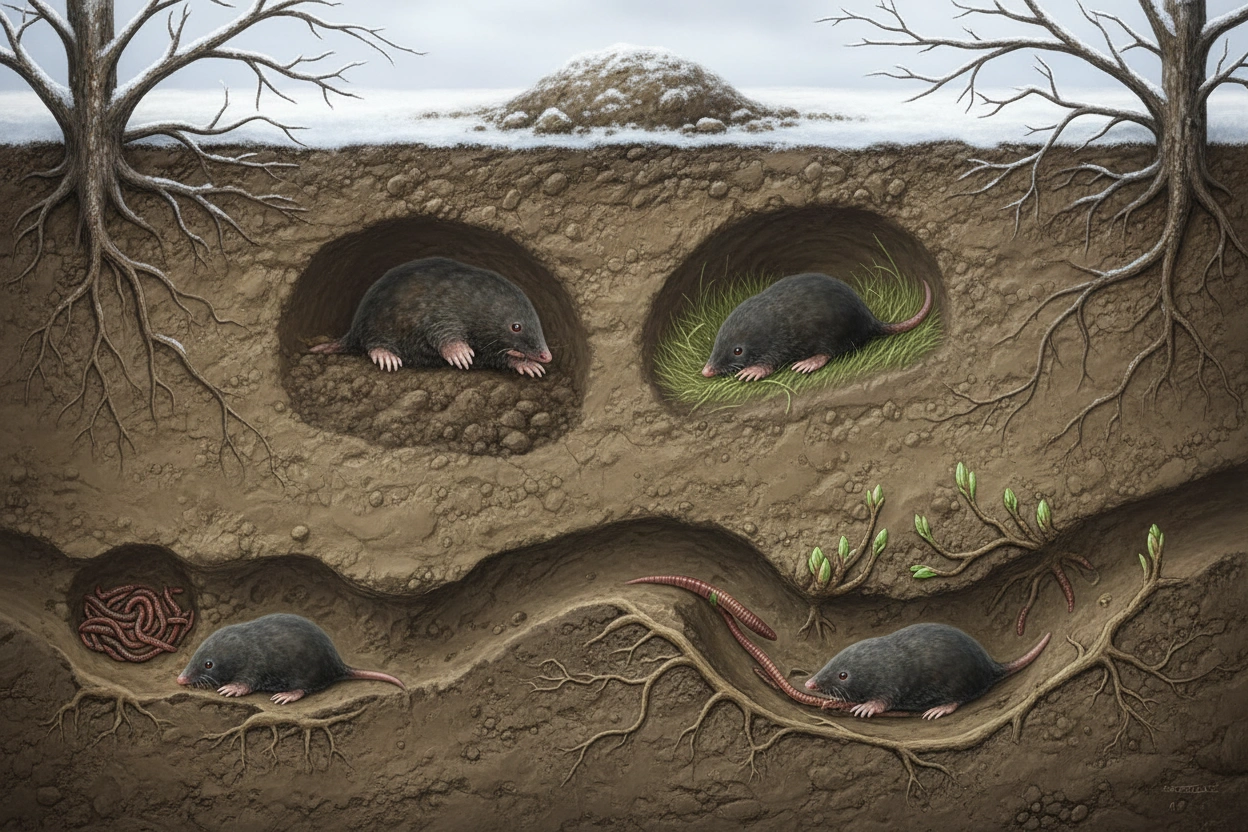
Moles are fascinating creatures known for their unique underground lifestyle. Their habits are primarily driven by their need for food and shelter, which dictate their activity levels. Moles primarily feed on earthworms, grubs, and other small invertebrates found in the soil. This diet influences their behavior significantly, as they will dig extensive tunnel systems to find their food sources. The amount of moisture in the ground also affects their feeding habits; dry soil can make it challenging for moles to locate food, leading to decreased activity levels.
Understanding the life cycle of moles is essential in comprehending their activity patterns. Moles typically breed in late winter or early spring, and the gestation period lasts about 40+ days. By late spring, young moles emerge from their burrows, prompting increased activity as they establish their territories. This life cycle illustrates that while moles may seem less active during certain seasons, they are still present and can cause damage to landscapes, particularly during their breeding and foraging periods.
Seasonal Changes and Their Effect on Moles
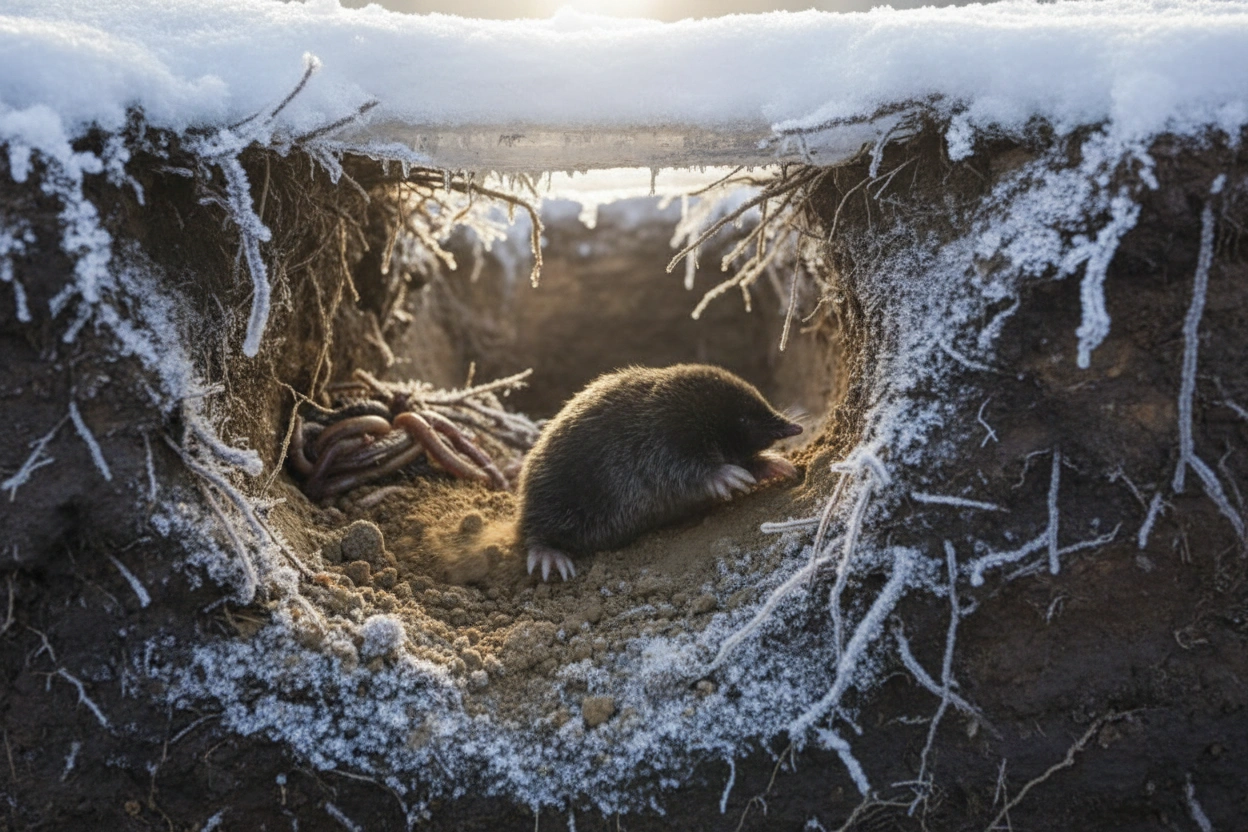
Seasonal changes play a significant role in determining the activity levels of moles. During the spring and fall, moles are typically more active as they prepare for breeding and foraging. Warmer temperatures and increased soil moisture in the spring lead to a higher availability of food, making it an ideal time for moles to emerge from their tunnels. Conversely, winter months can see a reduction in mole activity due to colder temperatures and frozen ground, which can limit their ability to dig and forage.
Food availability is closely linked to mole presence throughout the seasons. For instance, during summer, moles may become less active in extremely hot and dry conditions when their food sources diminish. However, after rain events, when soil becomes moist and easier to navigate, moles often resurface to take advantage of the abundance of worms and insects. This relationship between environmental conditions and food availability explains why moles can appear sporadically throughout the year.
Landscape Damage Caused by Moles
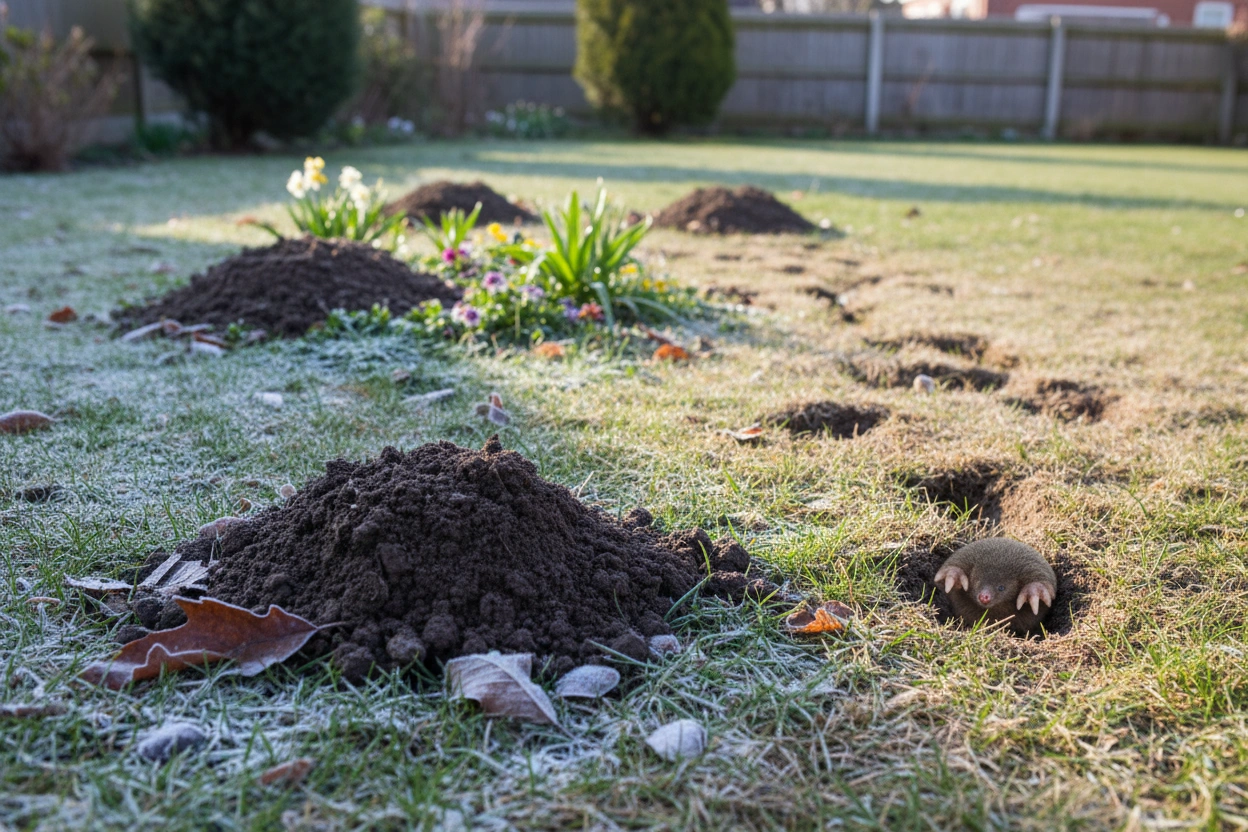
Moles can inflict significant damage on lawns and gardens, often going unnoticed until the damage becomes apparent. Their tunneling activities can disrupt root systems, leading to unhealthy plants and unsightly landscape features. Common signs of mole activity include raised ridges of soil and unsightly mounds, which can make a garden look unkempt.
The long-term effects of mole activity can be detrimental, particularly if left unmanaged. Soil aeration caused by their tunneling can initially benefit plant growth; however, excessive tunneling can lead to soil erosion and compaction issues. Additionally, the displacement of soil can create uneven surfaces, making lawns difficult to maintain and potentially hazardous for foot traffic. Understanding the damage moles can cause is essential for homeowners who wish to protect their gardens and landscapes. residential pest control insights
Effective Mole Control Methods
Addressing mole activity requires an understanding of effective control methods tailored to the specific situation. There are several strategies available, ranging from prevention to direct control measures. Some common mole control methods include:
-
Trapping: This is one of the most effective ways to manage mole populations. Traps should be placed in active tunnels for best results.
-
Baiting: Using bait can attract moles and help reduce their numbers, although this method should be approached with caution to avoid harming non-target species.
-
Prevention: Implementing preventative measures, such as maintaining healthy soil and reducing food sources, can deter moles from taking up residence.
Choosing the right method depends on the severity of the mole problem and the preferences of the homeowner. While traps can provide immediate results, prevention strategies can help minimize the chances of future infestations.
The Impact of Weather Patterns on Mole Activity
Understanding whether moles are active year-round or just seasonally is crucial for effective management. Weather patterns significantly influence their behavior and activity levels. In warmer months, moles are more likely to be active, while colder months may see a reduction in activity due to environmental conditions.
If you’re facing challenges with mole activity in your garden, Pest Patrol can assist you. We provide expert solutions tailored to your specific needs, ensuring your landscape remains healthy and vibrant.